
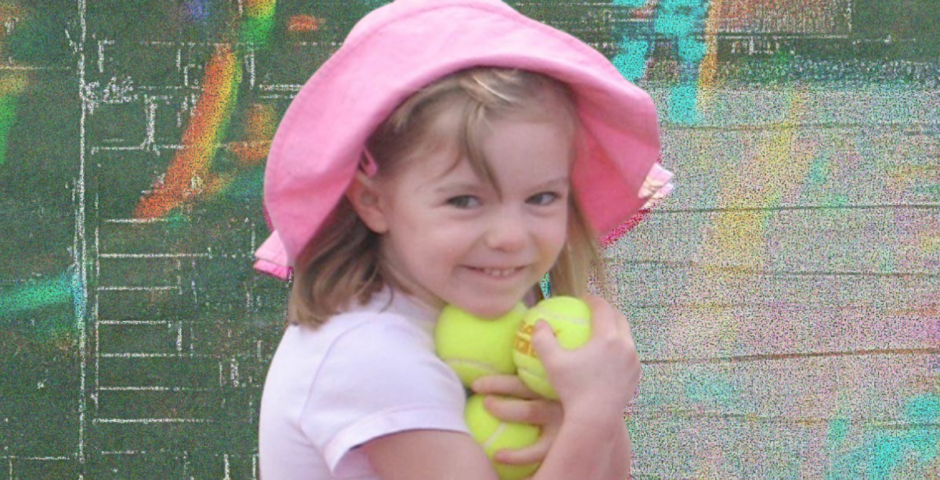
We were barely born when Madeleine McCann went missing, so why can’t Gen-Z stop thinking about her?
‘Someone the same age as you never got to enjoy life as you have’
When Gen-Z wants an answer to something, they get it. Gen-Z aren’t used to being told “no”, or “I’m not sure”. Google it. Ask ChatGPT. Plug it into the TikTok search bar. Answers are everywhere. So when you put Madeleine McCann into Google and the answer isn’t there, it’s pretty frustrating for anyone in the Gen-Z age bracket.
I was recently interviewed by Prime Video, for a new two-part documentary series called Madeleine McCann: The Case That Broke Britain. And it’s true. The case broke the McCann family, but in many ways, it broke us all.
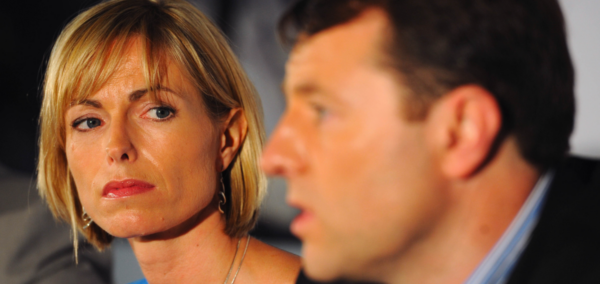
The show hears voices that tell how the McCanns have never stopped being subject to scrutiny, even now, nearly 10 years after Madeleine disappeared from Praia Da Luz in 2007. It also looked at the twist nobody predicted, when Julia Wandelt came forward and started a campaign to prove she was Madeleine, which ended in her being jailed for stalking Kate and Gerry.
I was the first journalist to interview Julia in 2023, who told me she needed to get in touch with Kate and Gerry, and do a DNA test. The Tab’s audience of millions of Gen-Z was instantly hooked – it was one of our biggest stories of the year. She had just a couple thousand followers when I spoke to her, but went on to gain over a million.

Me for Prime Video
One of the elements the documentary also questioned was how Gen-Z has been introduced to the case. For a lot of Gen-Z, they are either a very similar age to Madeleine, or her disappearance happened before they were born. My reading of the situation is that Gen-Z is a group of people who are used to being surrounded by answers. They’re the social media and AI generation, and “I don’t know” simply isn’t in their vocab. So, an unsolved mystery doesn’t sit right with them, more than anyone else.
For many, including myself, it was the first major news story we truly understood. It’s defined a lot of parts of our lives, family holidays, conversations, cultural shifts in the media, even if we don’t realise it.
‘It’s incredibly haunting to realise that someone with the same age as you never got to enjoy life as you have’
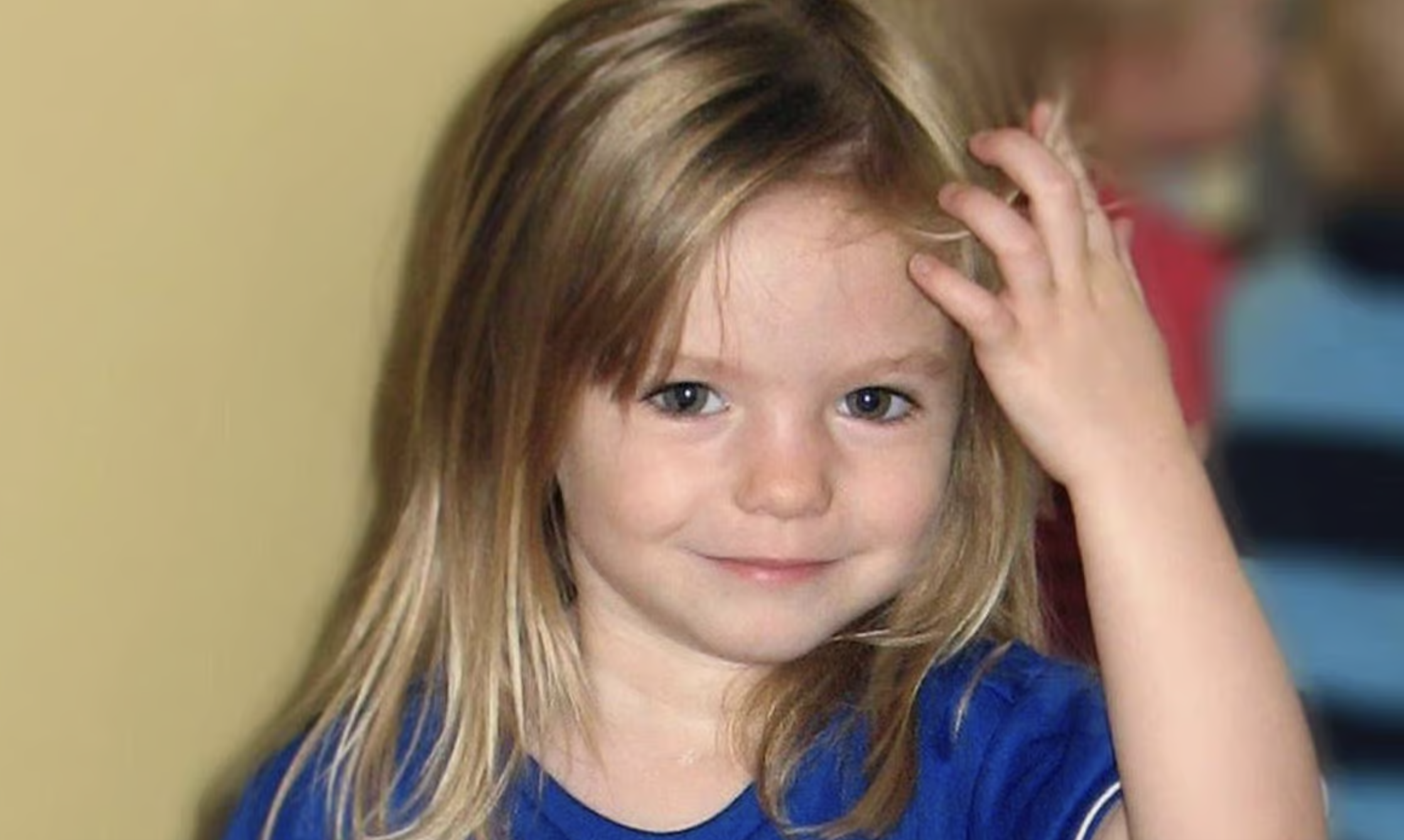
via Operation Grange
Following the documentary release, I spoke to experts and Gen-Z themselves, to really get to the route of what this case means to them, and where that hunger for its resolution really comes from.
“I think there could be a few factors: Social media and true crime media is definitely a huge influence on people’s interests, and seeing Netflix documentaries or watching TikToks about the case could make people feel more personally invested,” author and psychotherapist Eloise Skinner told The Tab.
“For this age group in particular, they might feel a sense of closeness to the case, since they would have been around the same age as Madeleine when the events took place, and so they might compare themselves to her, and where she might have been today. With ‘online sleuthing’ becoming a trend, people might be compelled by the idea of an unresolved mystery, and might even think they could have something to add to it if they dig into the details.”
She noted having a similar age to Madeleine plays a huge part in this. “I think this helps people to form a sense of connection, and to make an easier comparison from her to themselves,” Eloise said. “There might also be a feeling of generational ‘belonging’ – it’s easier to identify with someone if we feel they share certain aspects of our own lives and experiences.”
Not having lived through the story doesn’t matter. Clinical counsellor and primary therapist Linda Whiteside LPCC, who has spoken frequently about fan culture online, told The Tab: “You don’t have to experience first hand an event to being emotionally affected by it. For Gen Z, the Madeleine McCann case is a cautionary tale. It imprints an unshakeable fear of possibly disappearing without answer.
“It’s incredibly haunting to realise that someone with the same age as you never got to enjoy life as you have. We call this ‘identification’, a phenomenon where you create some kind of personal connection with someone you’ve never met at all.”

TikTok and true documentaries have added to this. Pre Gen-Z, true crime documentaries really weren’t the thing they are now. So it might be hard to picture a world without them, but the older generations didn’t have cases plastered in front of them in the same way Gen-Z does. It’s the first time people at home feel as though they have the same information as those working the cases, because detectives and police are so often in front of camera, sharing everything. That simply wasn’t the case before.
“Netflix and other documentaries have added to the feeling of ‘unresolved mystery’, and – with the huge expanse of information available to us at all times – we might feel like it’s solvable if we all pay enough attention or raise enough awareness,” Eloise said. “With the high profile claims from people purporting to be Madeleine or related to her, this has also become a much more publicised topic in recent years – accompanying the rise of the true crime genre in general.”
She added: “And then I think there have also been a few social media dramas around the case, especially with some people claiming they could be her on social media.”

Julia Wandelt, via Dr Phil
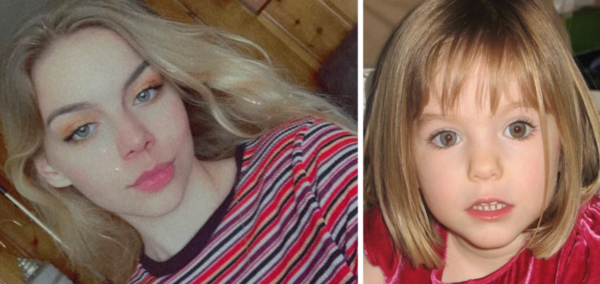
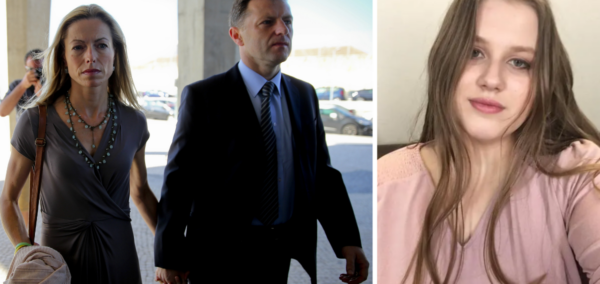
Julia Wandelt was clearly the biggest example of this. For months she claimed she was Madeleine, and gained over a million Instagram followers in her quest for the truth. It ended in her taking her beliefs offline and in person, where she hounded the McCanns with phone calls, and turned up at their home. Juila is not Madeleine McCann. She was later jailed.
But, Julia isn’t the only one. Many young, Gen-Z women have come forward in the past claiming they think they’re Madeleine. Some have been tasteless jokes in a uni group chat that went viral, whereas others have been legit queries about someone’s own identity.
From a psychological perspective, Eloise said the reasons this could happen would be highly complex and individualised. But, this may be rooted in childhood trauma which causes a young person to experience a loss of identity or sense of self, or it could be a fixation on media details (such as specific details of appearance or identity), social trends which encourage comparison and intense self-evaluation, and, in some cases, a potential desire for public affiliation with a high-profile case.
So, what does Gen-Z itself have to say?
I asked a bunch of Gen-Z aged people why they really think our generation is attached to this story. “At least in the UK, the interest in the case has never really gone away,” one said. “I was about nine when it happened, and the constant discussion amongst my classmates, teachers, parents etc felt never ending. The press coverage was relentless. Gerry and Kate McCann became public figures.
“Even as I entered my teens, it was still regularly reported on, and remained a potent target for sh*tty humour in the school playground. Because there have been little developments over the last 20 years, it was always be deeply alluring to true crime aficionados, because it remains a hugely divisive event in history.
“It’s astonishing, with the developments in technology, that there are still so many unanswered questions. I can fully appreciate why the case is still commanding attention after all these years.”
Others agreed, with another saying Gen-Z has “grown up hearing about it” and have spent their whole lives “surrounded by nothing but baseless conspiracy theories” about what happened.
Some think it’s quite a simply answer, with one person telling me: “Gen-Z is all about true crime. They think they will be the one to solve the case.”
Well, will they?
For more, like The Tab on Facebook.
Latest
We were barely born when Madeleine McCann went missing, so why can’t Gen-Z stop thinking about her?

‘Someone the same age as you never got to enjoy life as you have’

‘Am I gonna cry?’: Myha’la just found out who the Traitors are after being brutally banished

In the clip, Myha’la goes through so many emotions
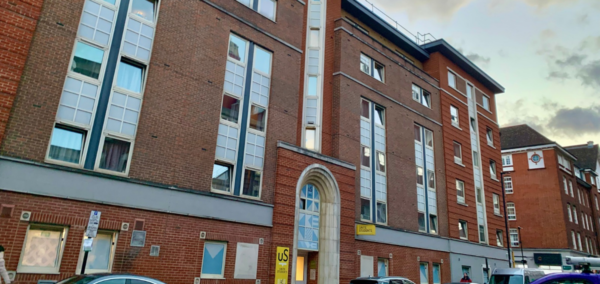
Unite cuts the rent of some student accommodation, including in Nottingham and Sheffield

Unite struggled to fill rooms in some halls
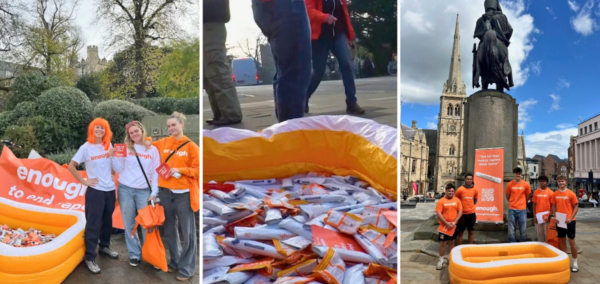
Non-profit Enough distributes self-swap DNA kits at unis, but some students are concerned
Police warned ‘these kits can create false expectations’
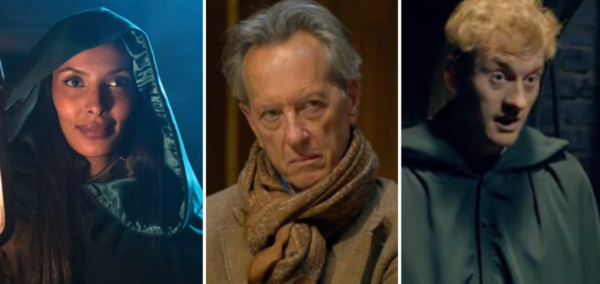
Banished Celebrity Traitor Richard E Grant reacts to James and Maya’s roundtable betrayal
The Traitors did not stick together
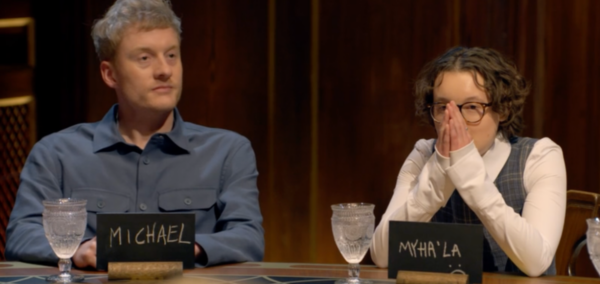
Looking for a cheap night out in Manchester – here are the best spots the city has to offer

Happy hour spots for when your bank balance is low but a night out is much needed
Bella Ramsey on Celebrity Traitors made me nervous as a queer person, but then came Ross Kemp
They’re already shaping up to be a weapon at the roundtable

Lancaster city centre record store and coffee shop announces its closure
The business owners are ‘passionate about the local music scene’

The Celebrity Traitors rich list: The most loaded celebs to appear on the show, across both series
Some of them probs live in castles already
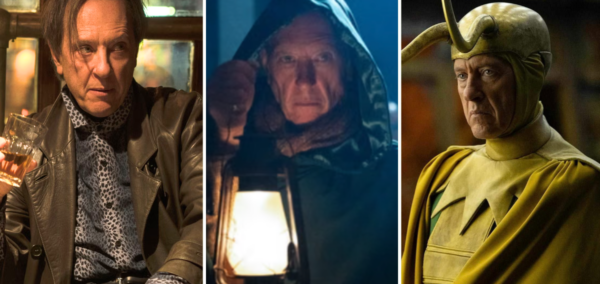
Yes Celebrity Traitor Richard E Grant is kooky, but the range of his roles already proved that
Turns out I’ve been watching Richard for years and didn’t realise it

The chunky net worths of the Celebrity Traitors’ actors, ranked from not bad to obscenely rich
I will happily accept their appearance fees

Richard E Grant doesn’t drink on Celebrity Traitors, because his body can’t process alcohol

It’s such a rogue fact
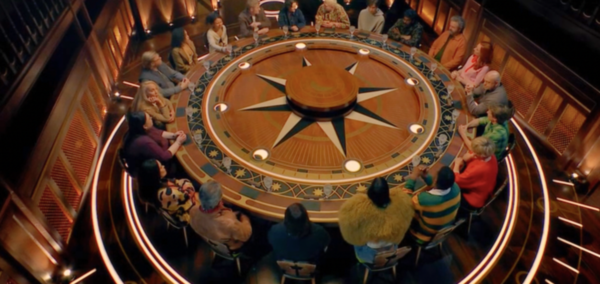
A psychologist breaks down how celebrity Traitors could win by exploiting ‘cognitive biases’
Traitors could use confirmation bias to their advantage
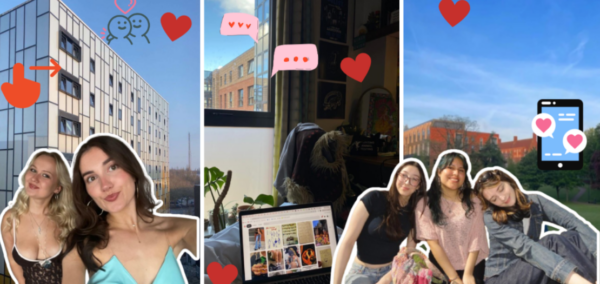
We gave Liverpool uni accommodations dating profiles and they’re painfully accurate

Ride the 699 for me?
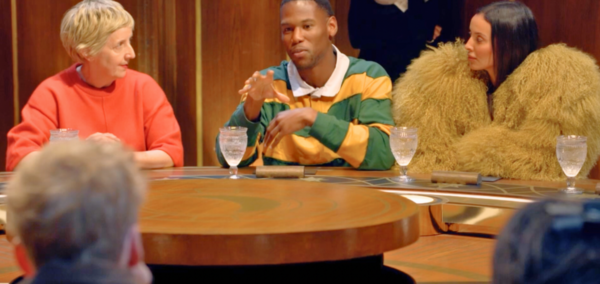
Infamous Secret Traitor Fiona warns of how the Celebrity Traitors may take each other down
Fiona believes Maya Jama ‘needs to be careful’
Chris Watts’ parents share letter he wrote to his wife and kids that he wants read at their graves
‘There’s so much I wish I could say, and make up for what I did to our family’

Goodbye tan lines, hello deadlines: why the next few months feel so overwhelming

From a very happy (but very stressed) third year

Lancaster and Lancashire universities briefed weapons manufacturer on student protests
An investigation headed by Liberty Investigates and Al Jazeera has uncovered ‘troubling patterns’ of correspondence between BAE systems and 13 UK universities