
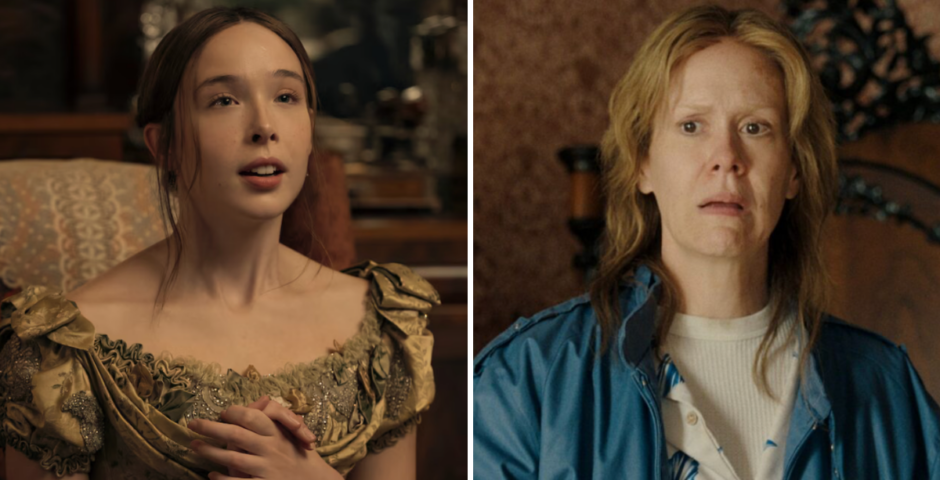
How Monster: The Lizzie Borden Story taps into our obsession with women who kill
We can’t look away
If you’ve recently binged Monster: The Lizzie Borden Story, you’ll probably have noticed one particularly unsettling theme: We really cannot get enough of women who kill.
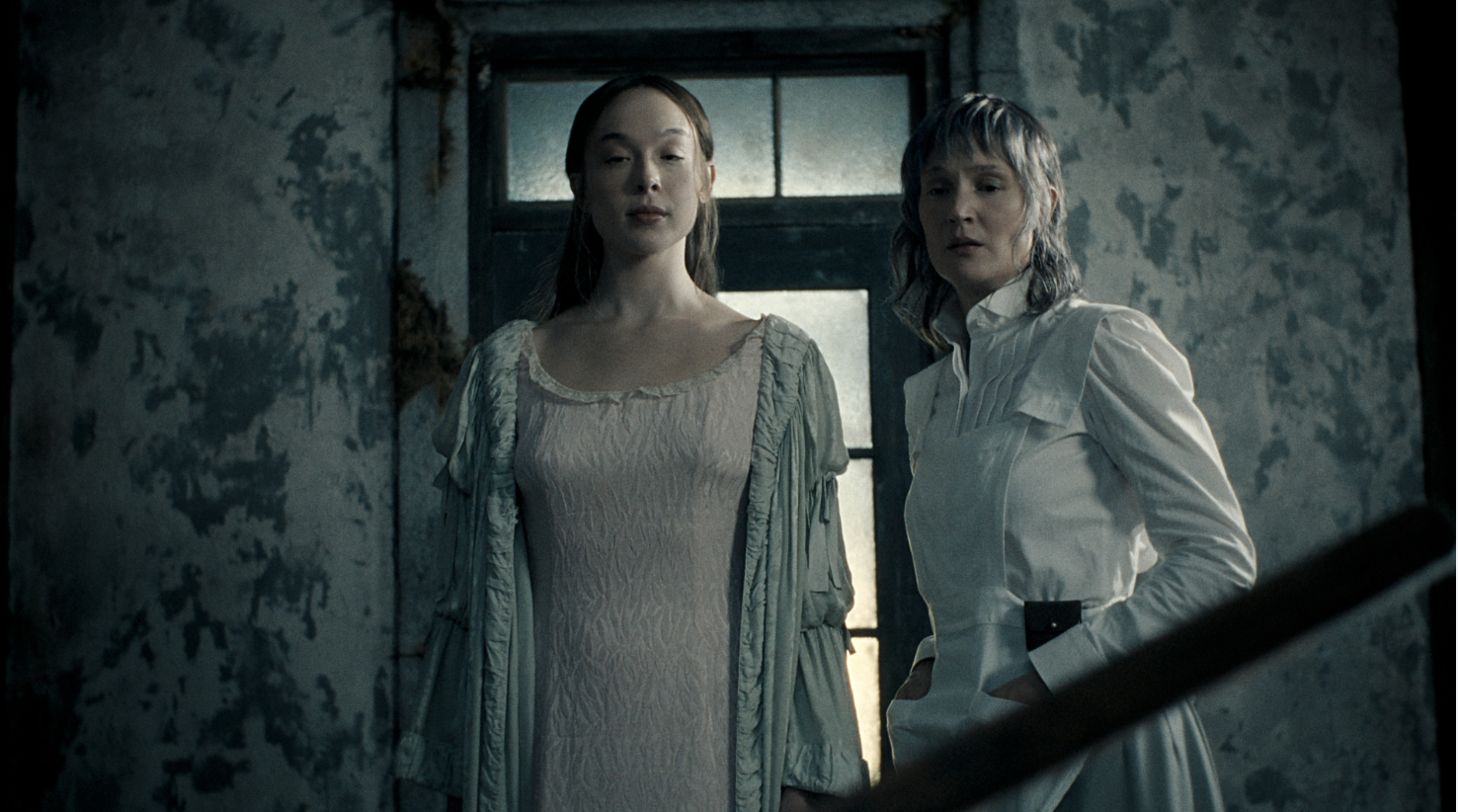
Via Netflix
True crime has become a massive part of our streaming queues and podcast charts, but stories about female killers seem to have a particular hold over us. From Lizzie Borden to Aileen Wuornos, women accused of murder have become some of the most recognisable names in true crime.
There’s a reason Monster chose Lizzie Borden as its latest subject. Her 1892 trial, in which she was accused of murdering her wealthy father and stepmother with an axe, remains one of America’s most famous and hotly debated criminal cases.
For showrunners Ryan Murphy and Ian Brennan, putting a woman at the centre of the latest Monster series also opened up a much bigger conversation about female rage, repression and the way society reacts when women become violent.
Speaking to The Hollywood Reporter, Brennan explained that female killers were not initially the focus of the anthology.
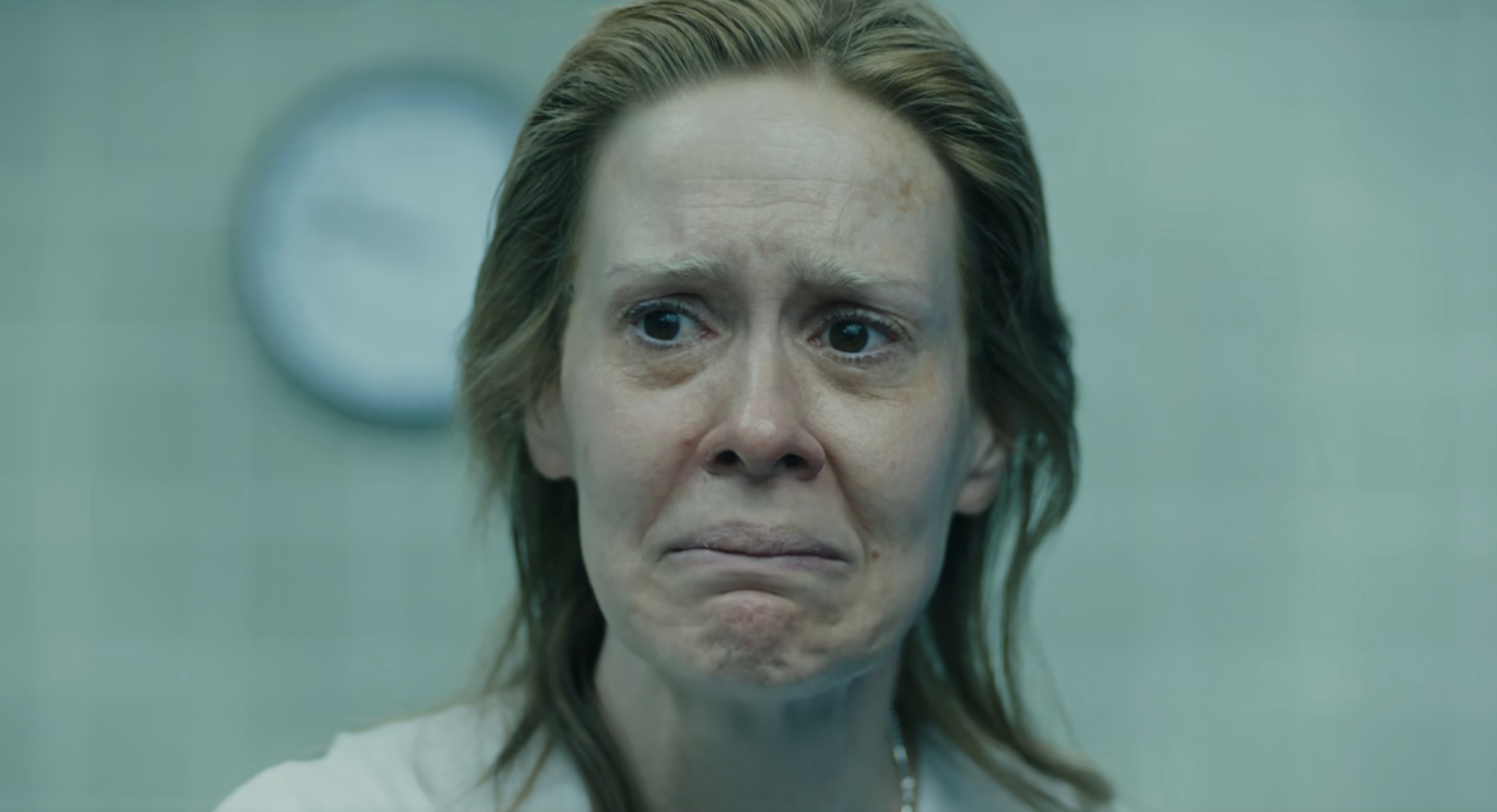
via Netflix
“We’d not thought about women, because, proportionally, so few women murder. It very quickly became that the story we were telling was about female rage.”
That eventually led the creators to build what Brennan described as a “triptych” around Elizabeth Báthory, Aileen Wuornos and Lizzie Borden.
“We were able to look at rage, female rage, and women who kill as less of an aberration throughout time than actually a throughline and an aspect of our species and existence in society.”
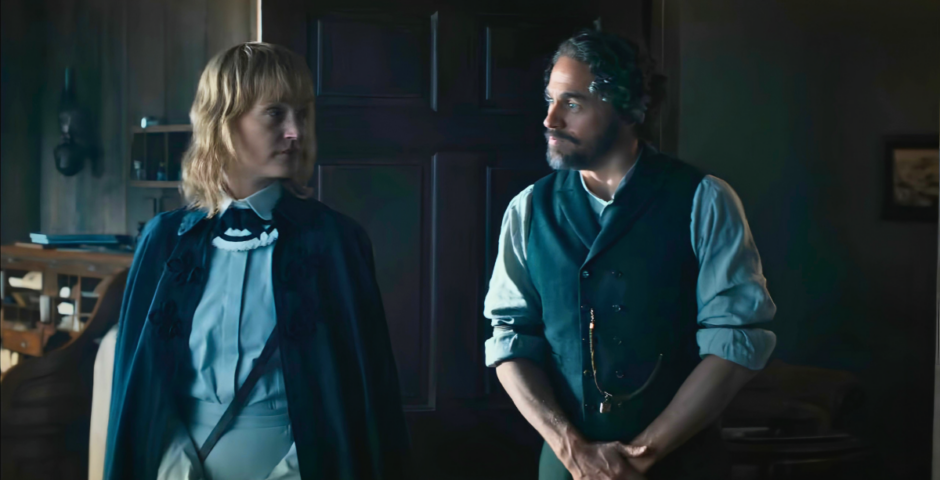
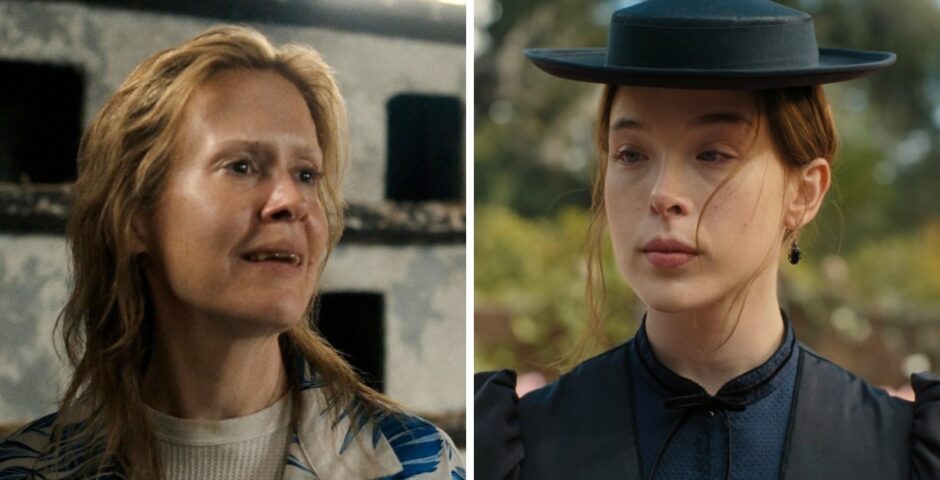
And that idea of women who kill being seen as an anomaly is key to understanding why their stories can feel so particularly shocking.
Psychologist Marissa Harrison told Penn State University: “Because women are culturally coded as safe and nurturing, a female predator weaponizes that exact trust. When a caregiver like Jane Toppan murders patients, it forces a jarring confrontation with how evil can hide behind a comforting facade.”
Basically, the stereotype that women are naturally caring, maternal and non-threatening can make their violence feel even more disturbing when that expectation is shattered.
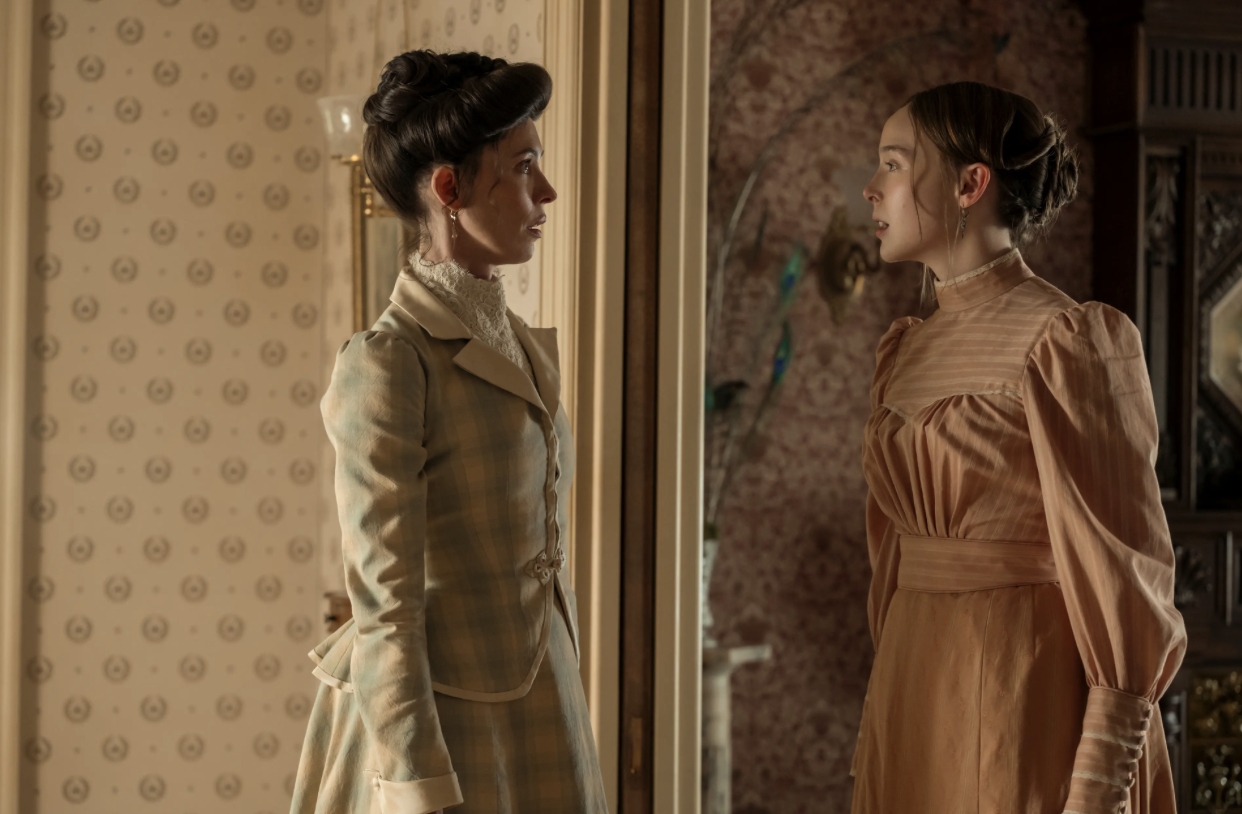
Via Netflix
Female murderers have also historically been more likely to commit crimes within roles where people already trusted them, including as nurses, caregivers or mothers. That can make the eventual revelation feel like an especially grim betrayal of the role they were expected to play.
There’s also a long history of female killers being overlooked or understood differently from their male counterparts.
That disconnect is part of what makes women like Lizzie Borden such enduring figures in true crime. The fascination is the clash between the version of womanhood society expects and what happens when someone completely breaks from it.
Monster is clearly interested in exactly that tension, using Lizzie’s story to look beyond one infamous murder case and into the much bigger idea of what happens when women are allowed to be angry, violent and, ultimately, frightening.
For all the latest Netflix news and drops, like The Holy Church of Netflix on Facebook.
Featured image via Netflix
Latest
Police release pic of 30 uni students crammed into hot basement covered in food as two arrested

Some had ‘visible injuries’

Chris Watts ends prison relationship and calls off his jail wedding just weeks after it went public

His ‘wife’ had already been wearing a wedding ring
Real-life photos of Lizzie Borden’s parents show what they looked like over the years

Andrew and Abby look too young in Monster
Madonna’s family reportedly concerned about her health as they urge her to ‘slow down’ after VMAs
She’s keen to get ‘straight back to work’
Still not convinced about joining us? Here’s what ex-writers say about The King’s Tab

‘The Tab gives you the space to be your most authentic self’
Lizzie Borden’s doctor’s full court testimony, where he recalled finding Andrew and Abby dead
‘His face was hardly to be recognised by one who knew him’
A weapon in the Lizzie Borden case was never found, and it might not have even been an axe
Many different theories were investigated
Lizzie Borden wasn’t right for Monster, and the ‘female rage’ reason they chose her makes it worse
There was so much wrong with it
The full Celebrity Traitors 2026 episode schedule as day change is confirmed
Don’t get caught out when it returns this week
Ryan Murphy picks his favourite American Horror Story season, and it’s a controversial choice

It’s Sarah Paulson’s least favourite
Why the Love Island 2026 Islanders are suddenly posting ‘tart’ on all of Lorenzo’s posts
People think it’s a divide
Former Newcastle student raped in Freshers’ Week speaks out on potential dangers

“I didn’t know what had happened to me… I came home and was very confused”

The 20 easiest UK universities to get into, based on accepted students’ grades

University of Roehampton students have a D and two Cs on average
Here’s what joining these Cardiff Uni societies says about you

Things you need to know before joining a new society
A favourite from the Love Island 2026 cast is getting an All Stars return
A second chance is well deserved