
Lizzie Borden wasn’t right for Monster, and the ‘female rage’ reason they chose her makes it worse
There was so much wrong with it
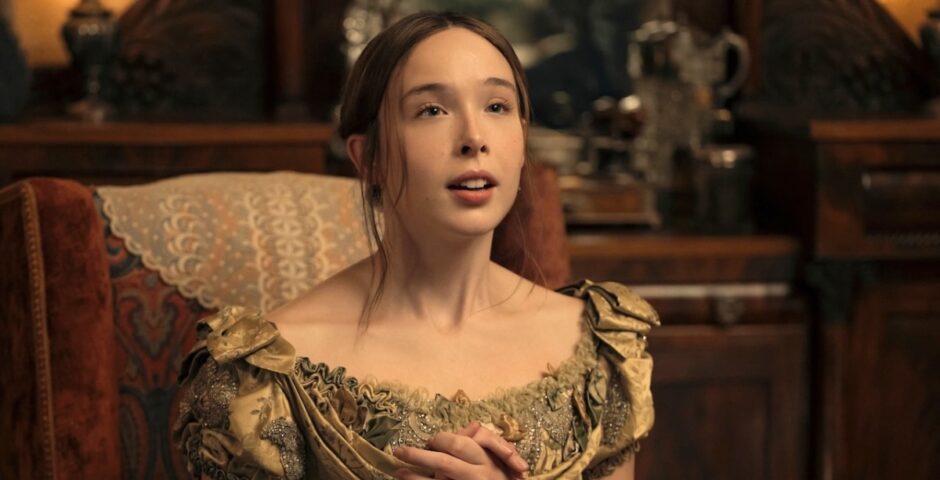
It’s only been two weeks since Monster: The Lizzie Borden Story was released on Netflix, and the hype has already died out – because it just didn’t work. Ryan Murphy has explained why he picked Borden as his latest subject, but his “female rage” reasoning makes things even worse.
The eight-part series followed notorious American serial killers Jeffrey Dahmer, Lyle and Erik Menendez, and Ed Gein, who were all found guilty of their sick crimes. Yet, Lizzie Borden was tried and acquitted of killing her father and stepmother in Fall River, Massachusetts, in August 1892. The whole thing just felt… thin.
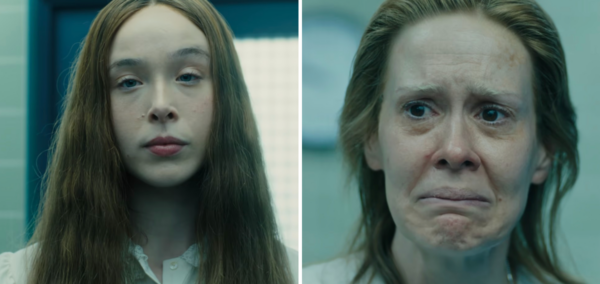
I mean, the fact that they had to add in a completely unrelated female killer, Aileen Wuornos, and make up a fake connection because Borden’s story wasn’t interesting enough on its own says it all. The whole series could have focused on Wuornos instead, and Monster: The Aileen Wuornos Story would have been a far more compelling story.
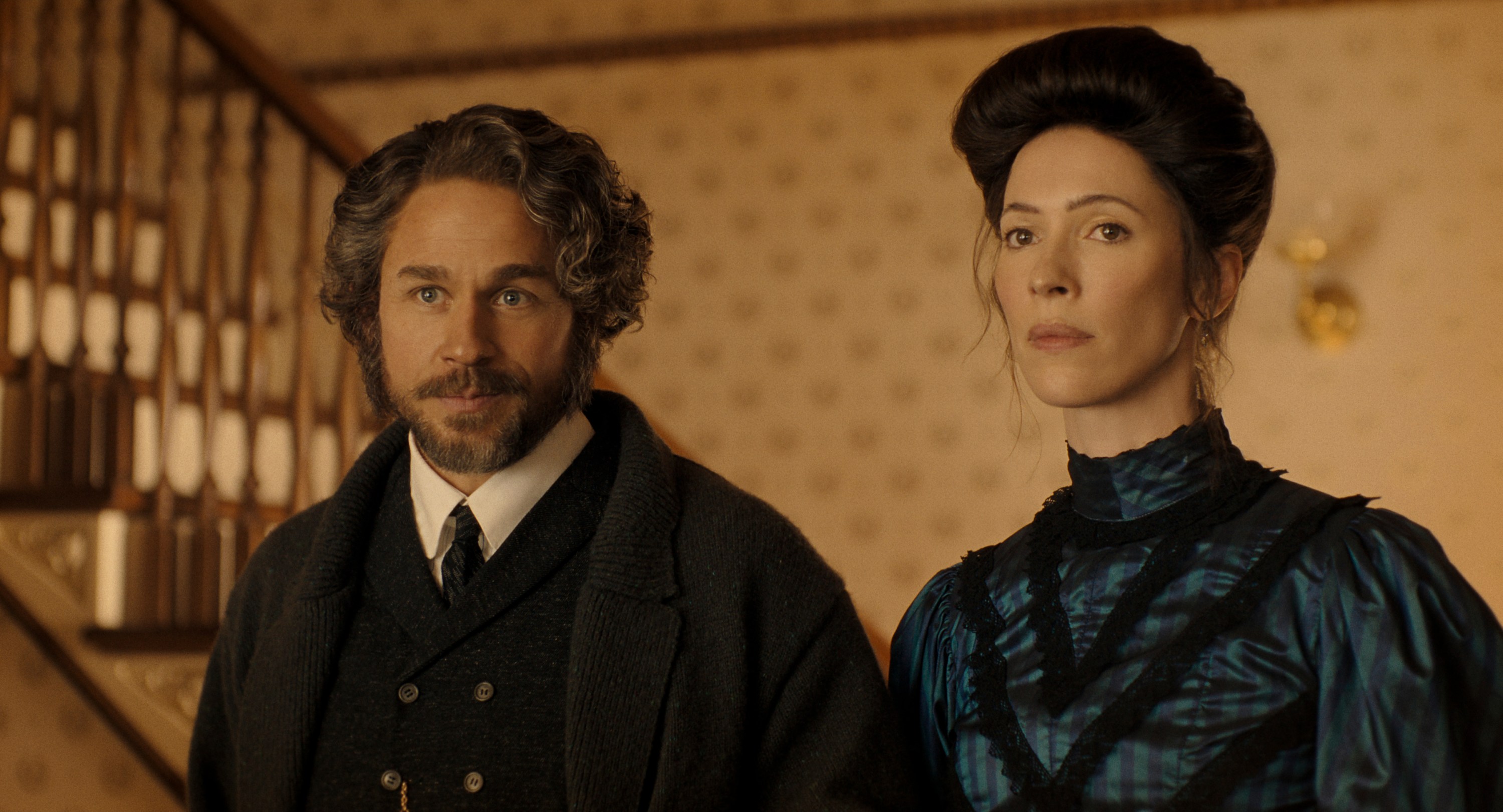
Monster’s subject being a figure from the 1800s also simply didn’t work. The lack of concrete facts turned what should have been a dramatised retelling of a real-life crime with a few exaggerated elements to make for good viewing into a completely fictional TV show where nothing was accurate. The result? A lot of confused people, because the show doesn’t match the history books.
Credit: Netflix
So, why did Murphy pick Borden? The main reason, he told PEOPLE, was that they wanted a woman as the subject to explore the idea of “female rage” – a huge problem in itself.
“[It] just felt like we owed it. We’d sort of over-indexed on men for the series, and it just felt like this was the right time and the right subject to look at to look squarely at the idea of female rage,” he said. “She’s so enigmatic as a historical figure. I didn’t even know that much about her. I don’t think most people do. I think most people know the nursery rhyme and that’s about it.
“When we began to dig into the research, I was just immediately taken with how much I felt for her and how much I got why she did what she did. There was something that was really, really, very likeable about her as a person despite the crime that I think she likely committed because she was sort of a caged animal.”
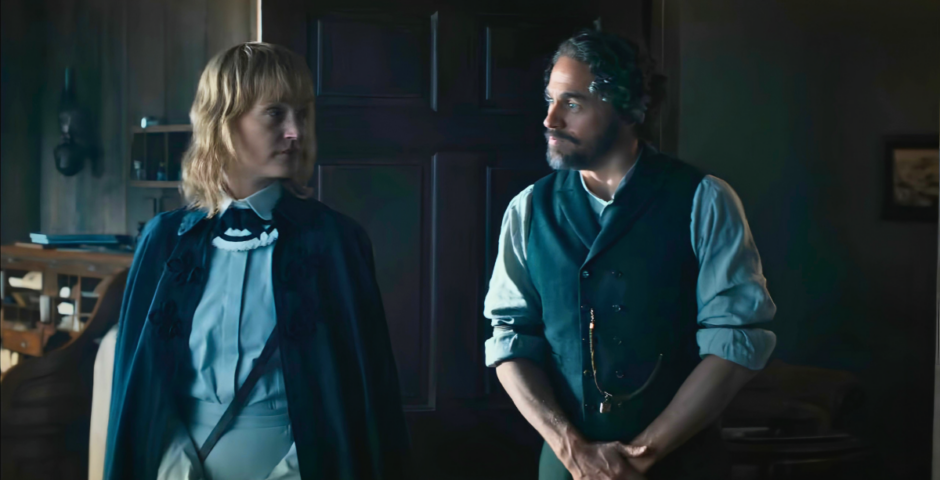
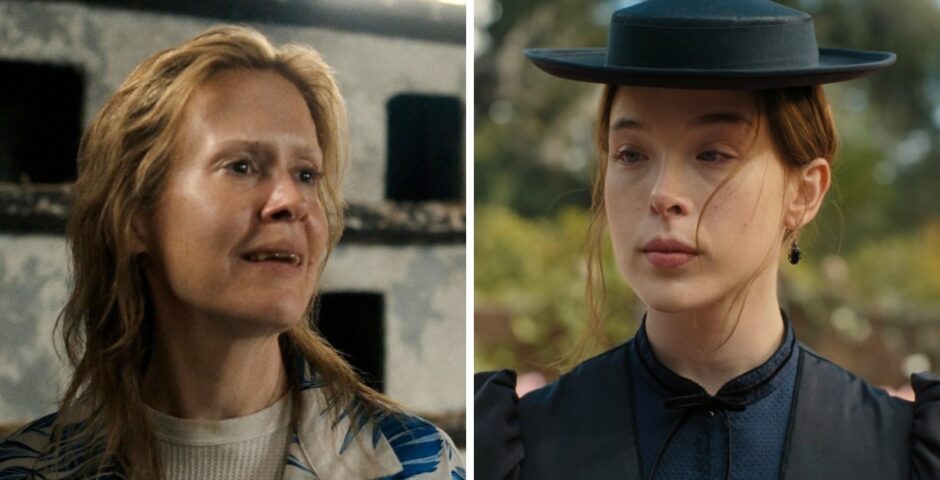
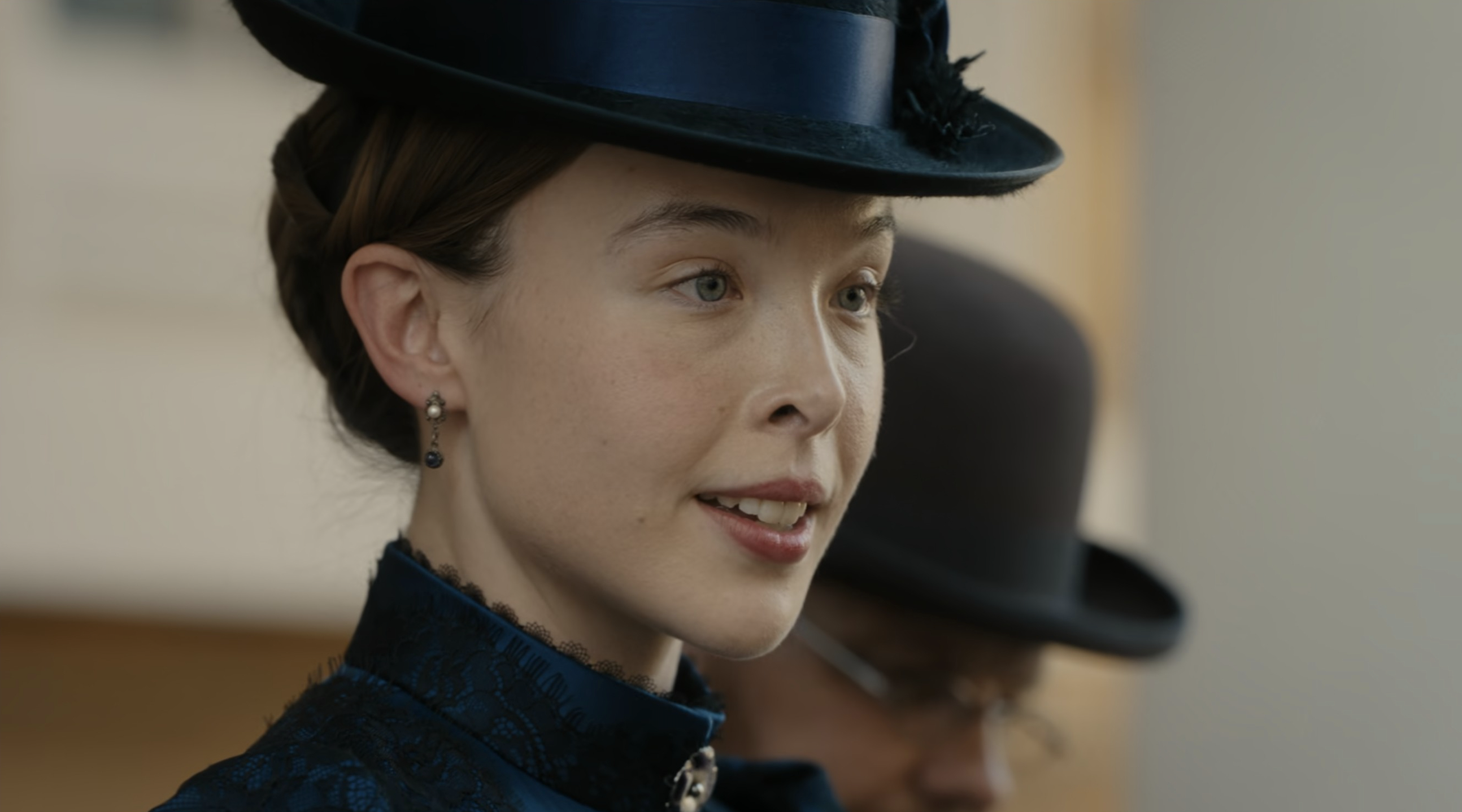
Murphy added that Borden was the “product of a time [when] it was really difficult to be a young woman” and “was so constrained by not just her family, but her opportunities, the community she lived in and the psychology of the time”.
Credit: Netflix
Yet, the idea of a man purposely choosing a version of the story where Borden killed her parents just because she was angry feels deeply misogynistic. Why does female rage need to be different to male rage, for a start? Legally, Borden didn’t even commit the crimes. She’s innocent. So, it was Murphy’s decision to turn her into a woman who killed her parents because she was angry.
In another interview with The Hollywood Reporter, he said: “I like investigating that story because, in many ways, you can look at what it deals with women and society, and it’s very much about today. It’s a very modern story. The story of Lizzie Borden is: Did she do it or did she not? There are many theories.”
But The Lizzie Borden Story doesn’t explore any theory other than her being guilty, and diminishes Borden into a recluse with no personality who doesn’t leave her home. A quick glance at the real-life history shows you she wasn’t like that at all. Forgetting whether she did or didn’t commit the murders for a second, Lizzie was a big churchwoman who was very active in the Fall River community.
She taught Sunday school and did lots of charitable work for the Central Congressional Church. She was on the Fall River Hospital board and volunteered with the Good Samaritan Charity Hospital. She was a member of the Ladies’ Fruit and Flower Mission, delivering fresh flowers and fruit to hospital patients and sick people. Where was all that in Monster?
Murphy should stick to the facts next time. And the 20th century.
For all the latest Netflix news and drops, like The Holy Church of Netflix on Facebook. Featured image credit: Netflix
Latest
Lizzie Borden wasn’t right for Monster, and the ‘female rage’ reason they chose her makes it worse

There was so much wrong with it

The full Celebrity Traitors 2026 episode schedule as day change is confirmed
Don’t get caught out when it returns this week
Ryan Murphy picks his favourite American Horror Story season, and it’s a controversial choice

It’s Sarah Paulson’s least favourite

Why the Love Island 2026 Islanders are suddenly posting ‘tart’ on all of Lorenzo’s posts

People think it’s a divide
Former Newcastle student raped in Freshers’ Week speaks out on potential dangers

“I didn’t know what had happened to me… I came home and was very confused”


The 20 easiest UK universities to get into, based on accepted students’ grades

University of Roehampton students have a D and two Cs on average

Here’s what joining these Cardiff Uni societies says about you

Things you need to know before joining a new society

A favourite from the Love Island 2026 cast is getting an All Stars return
A second chance is well deserved

Right, it’s time to lock in: Here are 10 things every Cardiff Uni final year needs to know

It’s never too late to make this year the best one yet

Charli XCX’s viral VMAs reaction wasn’t about Taylor Swift, so here’s what actually happened
They’ve been surrounded by rumours for years

University sued over alleged fraternity gang sexual assault and punishing accused with essays
The members discussed the attack over Snapchat

Here’s what TV show your Cardiff Uni accommodation would feature in

Everyone’s favourite show is finally back for another season

The major celebs who skipped the VMAs 2026 and why, despite having multiple nominations
Ariana Grande was nominated eight times but didn’t attend

All the advice freshers need to survive first year: Love, Cardiff Uni students who survived

From YOLO to locking in, here’s all you need


The ultimate Uni of York guide: New year, new advice
Here’s everything you need to know before the academic year at the University of York
The real ‘most foul’ death of Bertha Manchester, who died six days before Lizzie Borden’s trial

Did ChatGPT write Monster or something?