
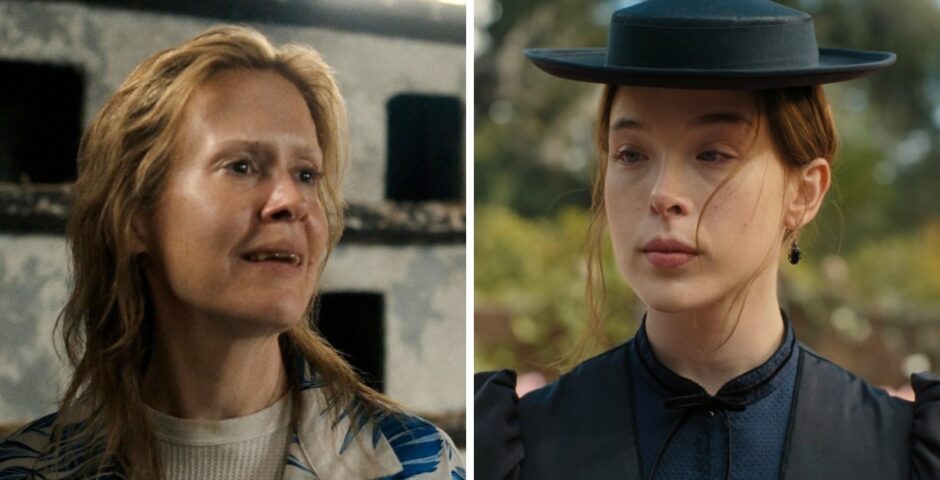
Aileen Wuornos and Lizzie Borden’s made-up connection explained after Netflix’s Monster
Her character seems so random
Everyone is really confused about why Aileen Wuornos is in Netflix’s Monster: The Lizzie Borden Story, so here’s their connection explained.
Ryan Murphy’s latest Monster series is about the 19th-century woman who was accused and acquitted of killing her father and stepmother with an axe in Fall River, Massachusetts, yet serial killer Aileen Wuornos makes an appearance, even though she was born over 100 years later.
Wuornos murdered seven men between 1989 and 1990 while doing street prostitution along Florida highways and was executed in 2002. But was she actually obsessed with Lizzie Borden in real life?
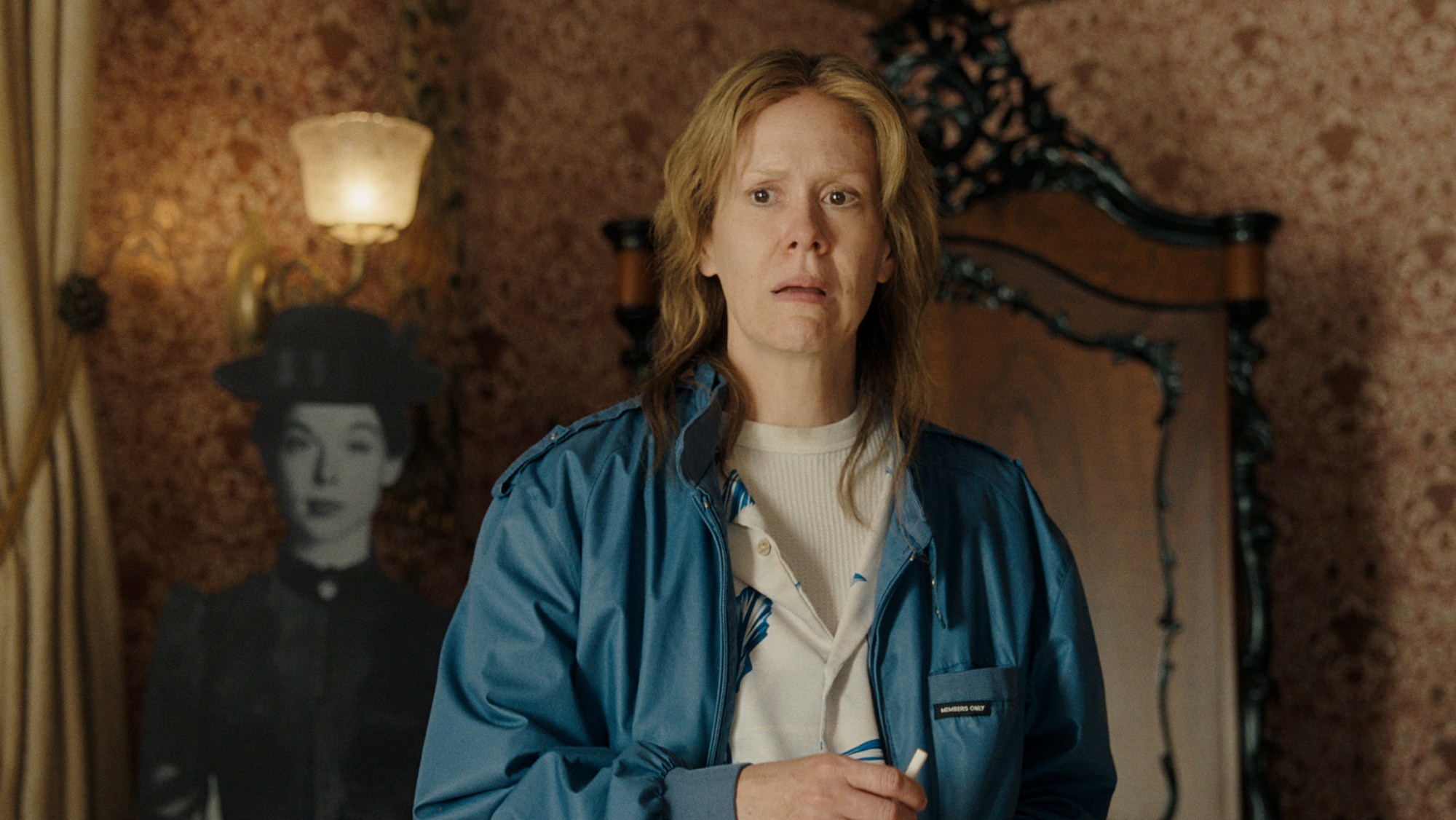
Credit: Netflix
Aileen Wuornos and Lizzie Borden’s connection explained
The only connection between Aileen Wuornos and Lizzie Borden is that they were both female killers, or an accused and acquitted killer in Borden’s case. Wuornos wasn’t obsessed with Borden and never visited her home in real life. The Borden house only actually became a B&B in 1996, years after Wuornos was arrested.
She was included in the show to compare female violence in the 19th century vs the 20th century. In 1892, people couldn’t believe that Borden could be capable of killing her father and stepmother, yet just 100 years later, Wuornos was convicted of murder and sentenced to death without a care.
Aileen was also included to explore female rage. Monster follows a fictional theory where Borden killed Andrew and Abby because she was so sick of the way they treated her. It then shows Wuornos killing her male clients because of the way they treated her as a prostitute, so both killings come from rage.
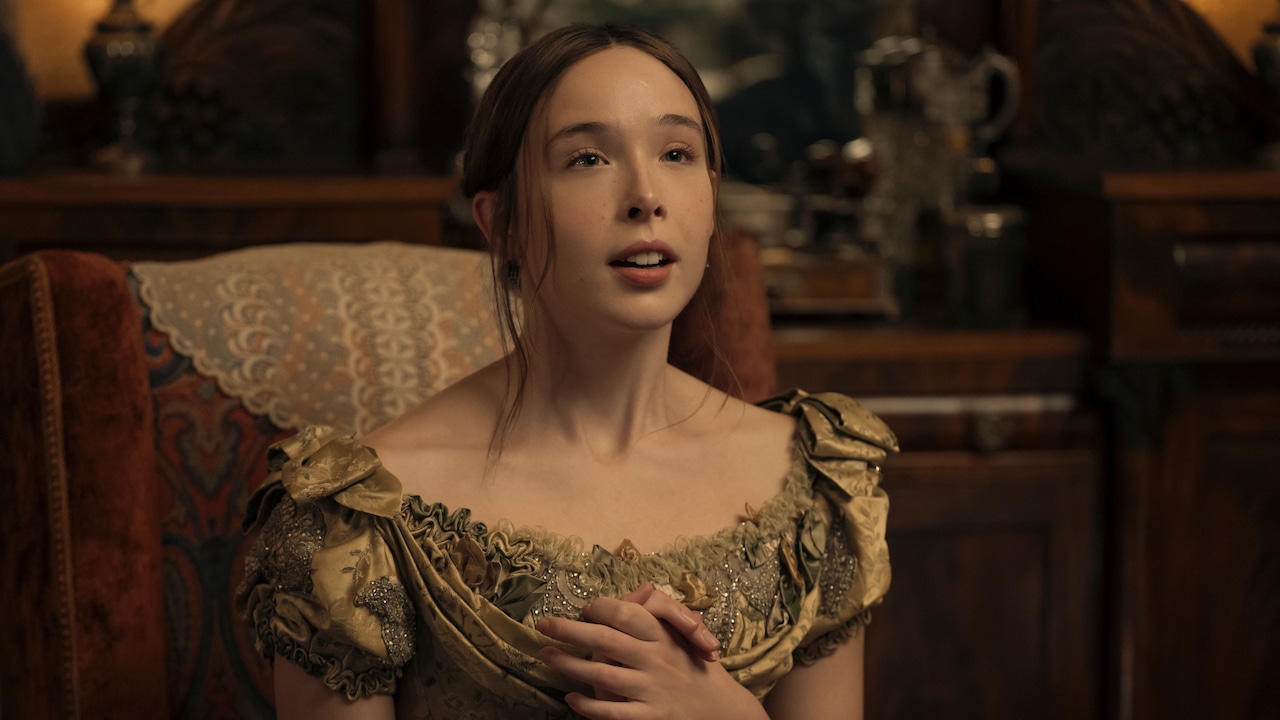
Credit: Netflix
Legally, Borden didn’t actually commit the crimes, and we don’t know why Wuornos killed seven men, but Ryan Murphy’s aim with Monster has always been the same: explore a motive for the crimes and determine if that person really is a monster. Including both stories helps to do just that.
Ella Beatty, who plays Lizzie, told Tudum: “The show is exploring a legacy of female rage and reaction to the set of circumstances that they are presented with. I think there’s a connection [between Borden and Wuornos] that Ryan and Ian were interested in mapping and exploring.
“Every season of Monster has been an exercise in understanding the person’s psychology. Are they born or are they made? I knew from the beginning that Ryan Murphy and Ian Brennan were really interested in exploring what brings a woman to the point of violence.”
Brennan similarly added to The Hollywood Reporter: “It very quickly became that the story we were telling was about female rage,” he explained. “Then we were able to develop this triptych of Elizabeth Bathory, Aileen Wuornos and Lizzie Borden, which kept the show from seeming like a stuffy, diorama piece by going through these time periods of women who were each aware of the next. To have those three stories talk to one another made it feel much more contemporary and of the moment.”
For all the latest Netflix news and drops, like The Holy Church of Netflix on Facebook. Featured image credit: Netflix
Latest
Aileen Wuornos and Lizzie Borden’s made-up connection explained after Netflix’s Monster

Her character seems so random
The Sense and Sensibility characters are very different ages in the book to the film’s cast

Frank Dillane is a decade older than Willoughby is in the book
Oxford Brookes among 13 universities to drop 20+ places in The Times’s new rankings
Bath Spa University fell 41 positions in the league table

Rafe Coleman Chadwick becomes the youngest person to run the UK AND complete the three peaks

Rafe completed the 3 Peaks Challenge in 22 hours and 40 minutes.
The reason Netflix’s Lizzie Borden series has jarring modern music, according to the showrunner

Not a single song is from the 1800s

Lizzie Borden was acquitted, so who do people think actually killed her parents?

There are many other suspects

95 per cent oppose Turnitin plans to train AI on student work, poll by The Lancaster Tab finds

Of over 700 respondents, almost all decided they would not be happy to have their assignments train AI tools
Why Joey Essex has called off a romance with Priya after Love Island 2026

Yes, there really was something going on between them
Are you a fresher? Here’s my advice as a recently graduated student
What I wish I knew when I started

How to do the Hotel Lobby AI trend from TikTok that puts people into Quavo and Takeoff video
It’s gone viral this week
The iconic stars we won’t see in American Horror Story 13, and the ‘absurd’ reason for the snub
I’m going to write a very angry letter to Ryan Murphy

Ed Sheeran’s cousin shares his theory on Macklemore’s exit, as rapper announces new tour
‘I’ve witnessed him being a coward’
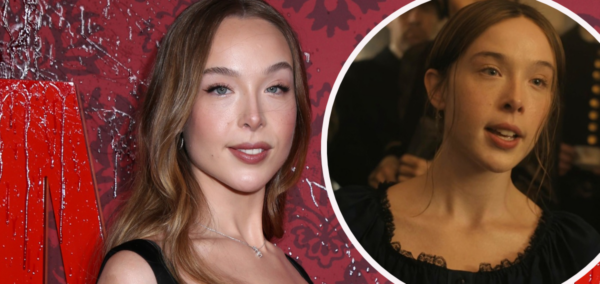
The actress who plays Lizzie Borden has shared her take on if she was guilty or not
It’s the big question

Ed Sheeran’s tour survived the Macklemore row, but now two shows have been cancelled
The stage was almost built

Raves, trips and becoming a godfather: Lorenzo Alessi on his single era after Love Island
He’s living his best life
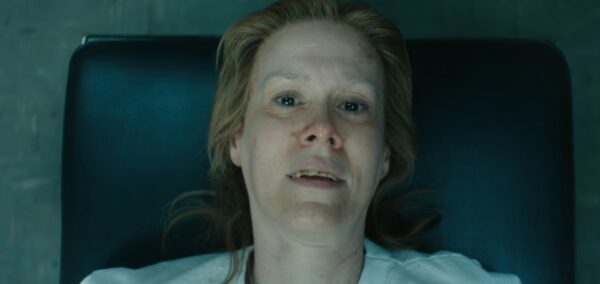
How Aileen Wuornos spent her last day on death row, and how Monster changed it
She didn’t actually have a last meal

Welcome to Durham: Everything you need to know about starting out

The best ways to start your first term at Durham
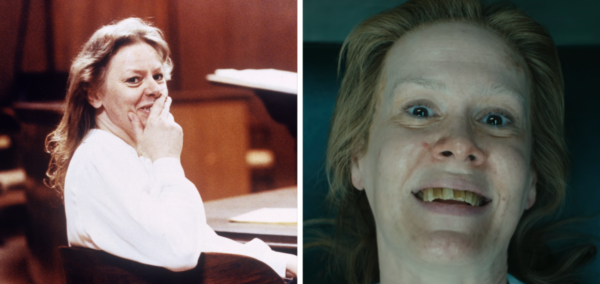
Aileen Wuornos’ death row letters, from sharing a keg with Jesus to calling her girlfriend ‘ugly’
There are hundreds of letters over a 10 year period
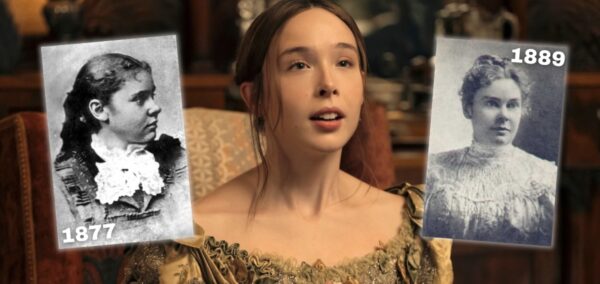
Timeline of real-life Lizzie Borden photos shows what she looked like over the years
Monster doesn’t get her quite right