
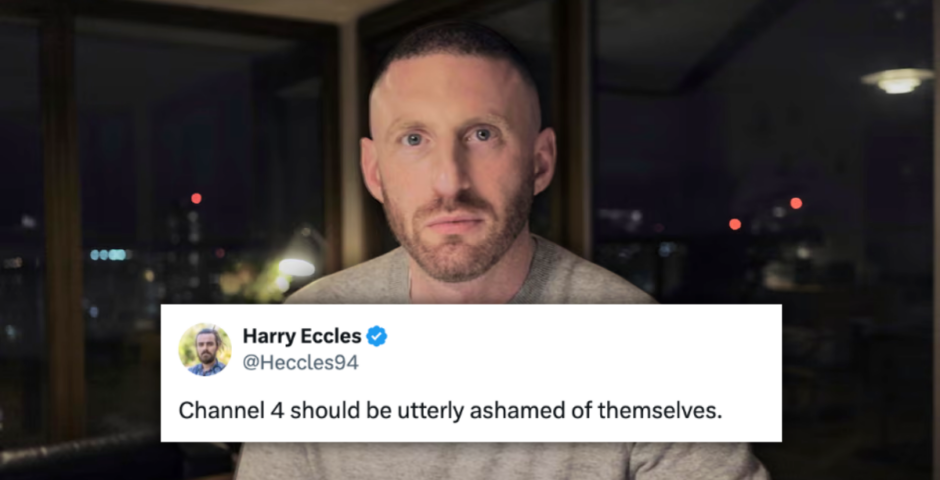
Channel 4’s The Great ADHD Myth ignores a key group of people, and it’s so disappointing
This is irresponsible

Channel 4’s latest documentary, The Great ADHD Myth, asks some interesting questions about the current approach to ADHD treatment, but it completely misses out discussions around girls with ADHD.
Over the past decade, more and more people in the UK have been diagnosed with attention deficit hyperactivity disorder (ADHD). This is mostly because the disorder has been destigmatised and more people are seeking help, discovering ways to deal with often debilitating symptoms.
Channel 4 has aired "The Great ADHD Myth?". Together, we're responding. Please consider filling in our survey and complaining to Ofcom.
Tell us the impact: our survey is collecting the evidence of what this programme has actually done – to how people see ADHD, and to people with… pic.twitter.com/LZQE7kCS21
— ADHD UK (@ADHDUKcharity) August 18, 2026
Last night, a new documentary by Channel 4 was released. It was led by NHS psychiatrist and journalist Dr Max Pemberton, who asked questions about whether modern life has led to an increase in symptoms of ADHD. It follows a young boy who temporarily stops taking his ADHD medication and makes lifestyle improvements instead as an alternate way to treat the disability.
Already, plenty of mental health charities have spoken out about the documentary and highlighted some of what they claim are its more harmful messaging.
“The programme’s own end credits told you what its 60 minutes wouldn’t: the boy at its centre went back on his medication, and his schoolwork improved,” ADHD UK said.
“Their experiment disproved their conclusion. They aired their version anyway. We have already complained to Ofcom.”

An extremely biased documentary, all the doctors & psychiatrists used clearly all share the same views. Also doing an experiment on one persons experience isn’t a very accurate experiment. Channel 4, do better and try living one day with ADHD, you’ll soon realise it’s not a myth https://t.co/1on043AF2G
— mol ✨ (@reputationmol) August 19, 2026
In a statement, Channel 4 have defended their documentary, saying: “This documentary does not deny the lived experience of those diagnosed with ADHD, but does present the view of an extensive range of senior medical experts – many of whom work or have worked with the NHS or have held presidential roles at professional membership bodies – who seek to question the conventional understanding of ADHD and if it is a neurodevelopmental condition.”
But one thing missing from the conversation is how this documentary focuses on a narrow, stereotypical view of ADHD that often excludes women and girls. For many women, their ADHD looks less like being disruptive in school and more like internal hyperactivity and emotional sensitivity.
Asking questions about how we treat ADHD is understandable, even necessary. And there definitely needs to be a conversation about how our society encourages short attention spans. But this view of ADHD sadly falls to the same tropes we’ve been hearing for decades now, the same tropes that lead many young girls to struggle silently for years, undiagnosed.
ADHD is not a myth, and it’s not a monolith.
For more like this, like The Tab on Facebook.
Featured image via Minnow Productions/X
Latest
What Aileen Wuornos was like in real life, and how this compares to The Lizzie Borden Story

Her depiction was scarily accurate
I asked Newcastle students about their sex lives as freshers – it got MESSY

Exploring your disastrous hook-ups, group chats, and questioning the obsession with virginity
First week back at uni? Here’s everything you need to pack in your bag

Mary Poppins is quaking in her boots…

London university releases statement after professor sentenced for a child sexual offence

Barry Langford was a Professor of Film Studies at Royal Holloway


Young father-of-two died on day he was due to start at University of Glasgow

Young father tragically passes away at 24 years old after suffering a brain aneurysm
Bella Ramsey’s specific acting career gives them ‘an edge’ on Celebrity Traitors (they hope)
Their past roles have prepped them for Missions
12 of The Celebrity Traitors season two cast asked to be Traitors, and six to be Faithfuls
Three celebs couldn’t make up their minds
Maya Jama’s game plan for Celebrity Traitors is to avoid trying ‘too hard’ or ‘overthinking’
This is really devious tbh

Newcastle University buildings evacuated after ‘suspicious item’ found on campus

Police, fire crews, and fire engines arrived at the scene
12 things every Fresher gets wrong in their first few weeks at uni

From wearing your lanyard everywhere to leaving your washing-up until it grows its own ecosystem

Our Celebrity Traitors predictions include Maya Jama turning on her fellow Traitors

Here’s what we think will happen
I’ve just realised that three cast members from Celebrity Traitors were in Game of Thrones

Having flashbacks to Bella Ramsey being crushed by a giant


23 to 70: The ages of the Celebrity Traitors 2026 cast, from youngest to oldest
There’s a huge age range this year
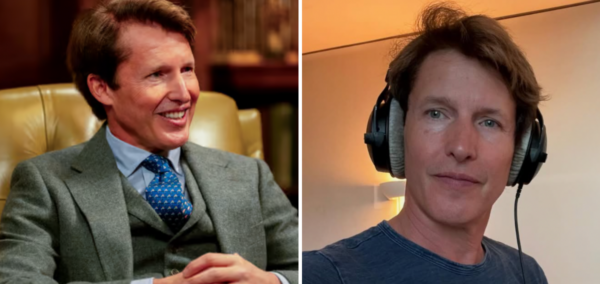
James Blunt was a British Army captain before becoming a singer and joining Celebrity Traitors
He mentioned it on the show
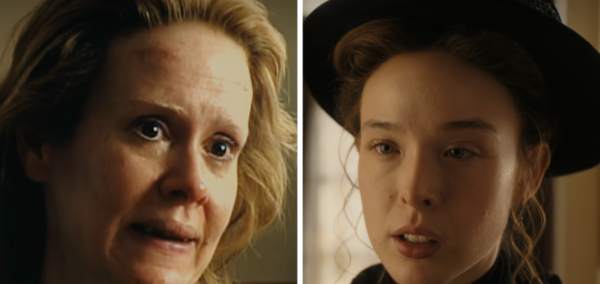
Monster director finally admits why they forced Aileen Wuornos in a show about Lizzie Borden
Despite the name, Lizzie Borden is not the focus of the story
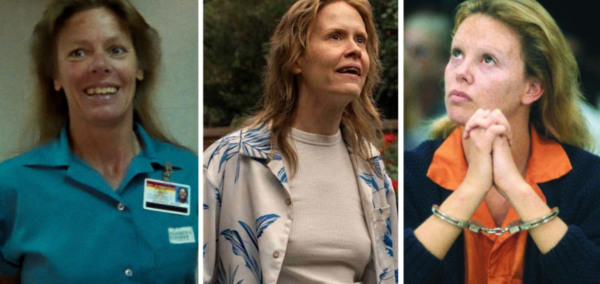
Shows and films you can watch about Aileen Wuornos, where she isn’t thrown into another story

Others tell her entire case, unlike Monster on Netflix
This viral tool lets you customise your Apple Pay cards, and here’s how to do it
You can personalise the entire design