
Newcastle University research featured in Blue Planet III
Having your work in a David Attenborough narrated series is the dream
The work of Newcastle University’s Dr Theresa Rueger and Dr Melissa Versteeg has contributed to the first episode of the new series of BBC’s Blue Planet.
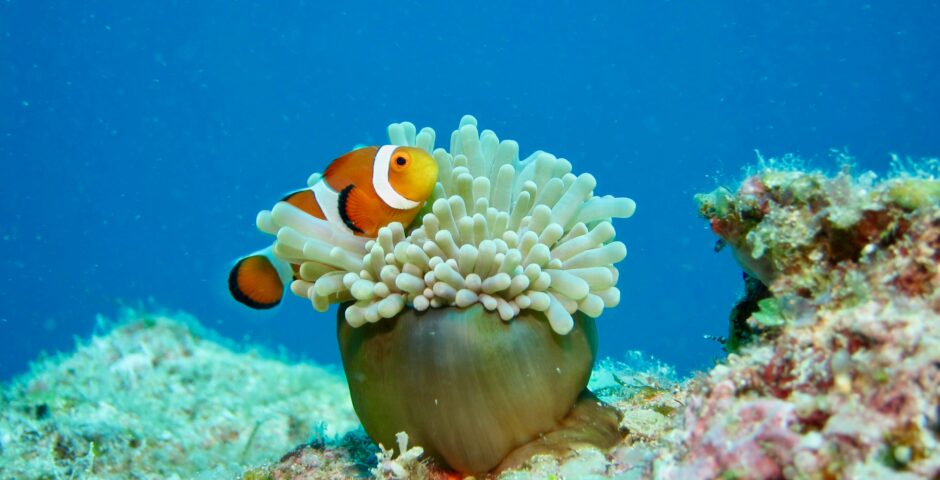
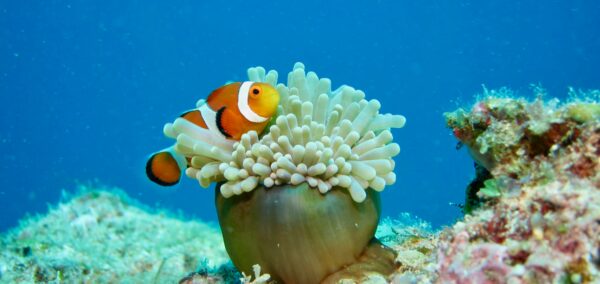
The episode, titled “Tropical Seas,” shows how the bleaching of sea anemone causes fish to become stressed, increasing their risk of predation. It also shows the mutual relationship between fish and anemone, whereby fish aerate and defend anemones, allowing them to eventually regain their colour.
Theresa and Melissa’s research builds on their previous work with the same population of clownfish in Papua New Guinea. In this project, they demonstrated how clownfish shrink to avoid heat stress, and how they control their growth to match the size of their anemone host.
Theresa, who is a senior lecturer in tropical marine sciences at Newcastle University’s School of Natural and Environmental Sciences, said: “It’s amazing to be part of such an immense project and to see the fish we have been researching with for ten years on the big screen. Our partners in Papua New Guinea, Mahonia Na Dari Research and Conservation Centre and Walindi Plantation Resort, were absolutely crucial in making this project a success.
“While coral reefs and all their inhabitants are severely impacted by warming oceans, the cooperation we see between anemones and anemonefishes offers a glimpse of hope. If people could cooperate in a similar way to solve climate change, the future would look bright.”
The six-part series returned to BBC on Sunday 1st November, nine years after Blue Planet II premiered in 2017.
Featured image via Unsplash
For more of the latest news, guides, gossip, and memes, follow The Newcastle Tab on Instagram and TikTok.

Latest
What joining these Birmingham societies says about you!

Your societies tell us more about you than your hinge profile ever will, so here’s what your Freshers Fair sign up’s all reveal
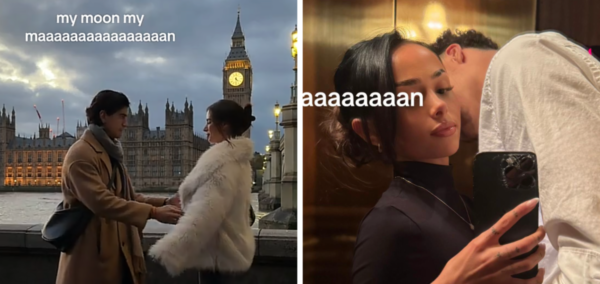
Apparently everyone is doing the ‘My Moon My Maaaaan’ couples trend wrong, and TikTok is unhappy

A cute trend to do with your partner, IF you can get it to work
Couple complain they can’t send their children to private school, despite earning £239k

They don’t have Netflix, and only order tap water in restaurants
The item Wayne Rooney has smuggled into the I’m A Celeb camp, and how he’s hiding it

He had it all planned out
Newcastle University research featured in Blue Planet III

Having your work in a David Attenborough narrated series is the dream
Lancaster University postpones planned changes on Turnitin use until next academic year

Through UCISA, Lancaster University is ‘working collaboratively with other universities to lobby Turnitin’
Exploring the trend of Hollywood’s religious rebranding, courtesy of an unlikely PR guru: Jesus
A Bible is cheaper than a lawyer
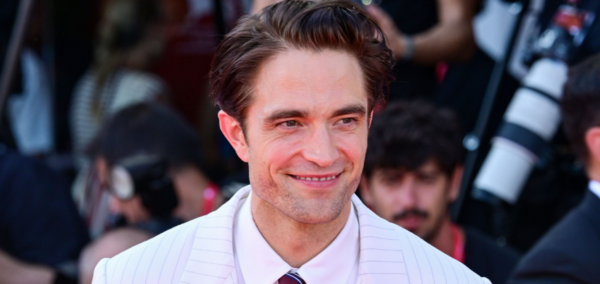
Robert Pattinson’s old interview about becoming James Bond has resurfaced after casting news

He thought he’d be terrible
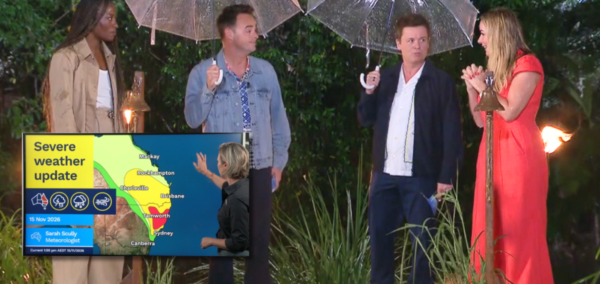
Filming of I’m A Celeb’s premiere was stopped due to ‘nightmare’ storm, and we didn’t see it
Dec was ‘delirious’ by the end of it, and it sounded low-key terrifying
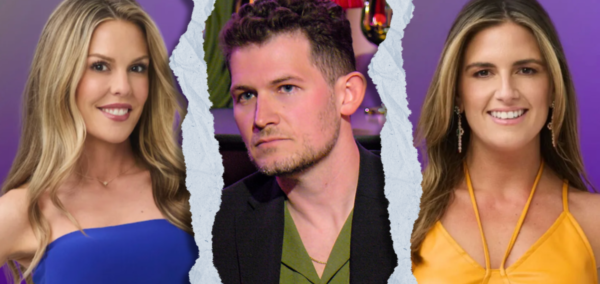
Matt the beekeeper went to Mexico retreat with his fiancée and had huge drama cut from Love Is Blind
There’s now beef between the woman he got engaged to and Michaella
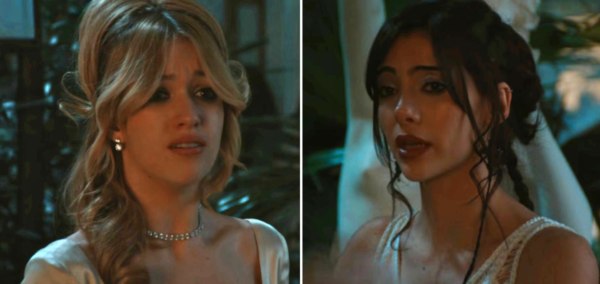
Anya turns on Elise in The Body as a ‘fight or flight’ response, Kristina Bogic says

The actor believes Anya ‘always wants to do the right thing’
Grace is… what? The cast of Netflix’s The Body explain what the eerie final line means
‘The beauty of the show is that it stays within the mystery’
Get to know Sharky from I’m A Celeb 2026: His job, real name and connection to Traitors’ Kenny
The thing he’ll miss most is a ‘cheeky Nando’s’

Ade Adepitan reveals the impact of accessibility changes made to I’m A Celebrity’s camp
‘The jungle’s more accessible than most of the houses I’ve lived in’
Wayne Rooney already broke big I’m A Celeb rule before even entering the jungle
He’s got a definite advantage
I’m A Celeb’s Wayne Rooney opens up about the secret to his dramatic transformation
It’s improved his marriage as well
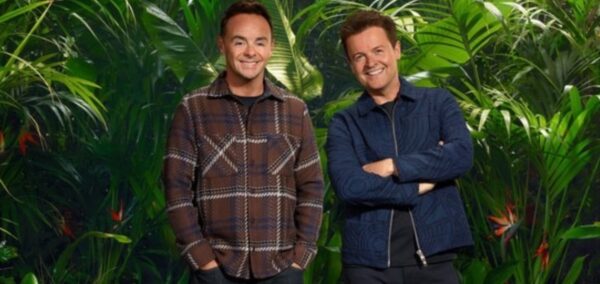
The full I’m A Celeb 2026 episode schedule, as series starts one day later than usual
The best time of year
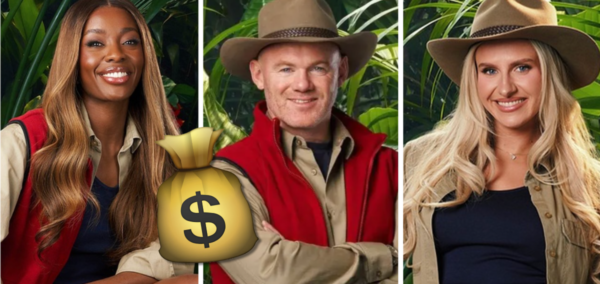
How much the cast of I’m A Celeb 2026 are being paid for the jungle, from £50k to £800k
The pay gap is massive
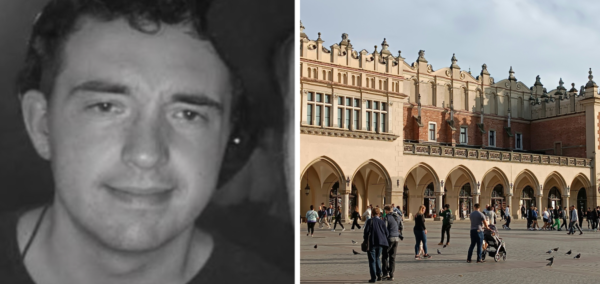
Glasgow DJ confirmed as victim of shooting in Poland
James Campbell, DJ of LGBTQ+ club AXM, has been confirmed as one of the victims of a mass shooting in Poland that left six people dead, and fifteen injured