Love Is Blind used to be ground breaking. I asked former cast members what changed
‘The goal all along was never to help people finding love’
It’s 2020. The world is currently going through a global pandemic, with the worst yet to come. But out step Lauren and Cameron Hamilton, about to change the trajectory of reality TV forever. While the world was seemingly falling apart, they were building a love story we’d never before seen.
30million households watched Love Is Blind season one. It was a cultural phenomenon. But that was six years ago. 11 seasons, a number of new franchises, lawsuits and unsavoury headlines later, and here we are. The show is a farce, labelled as a documentary for the manosphere. Love Is Blind is still going, but for what?
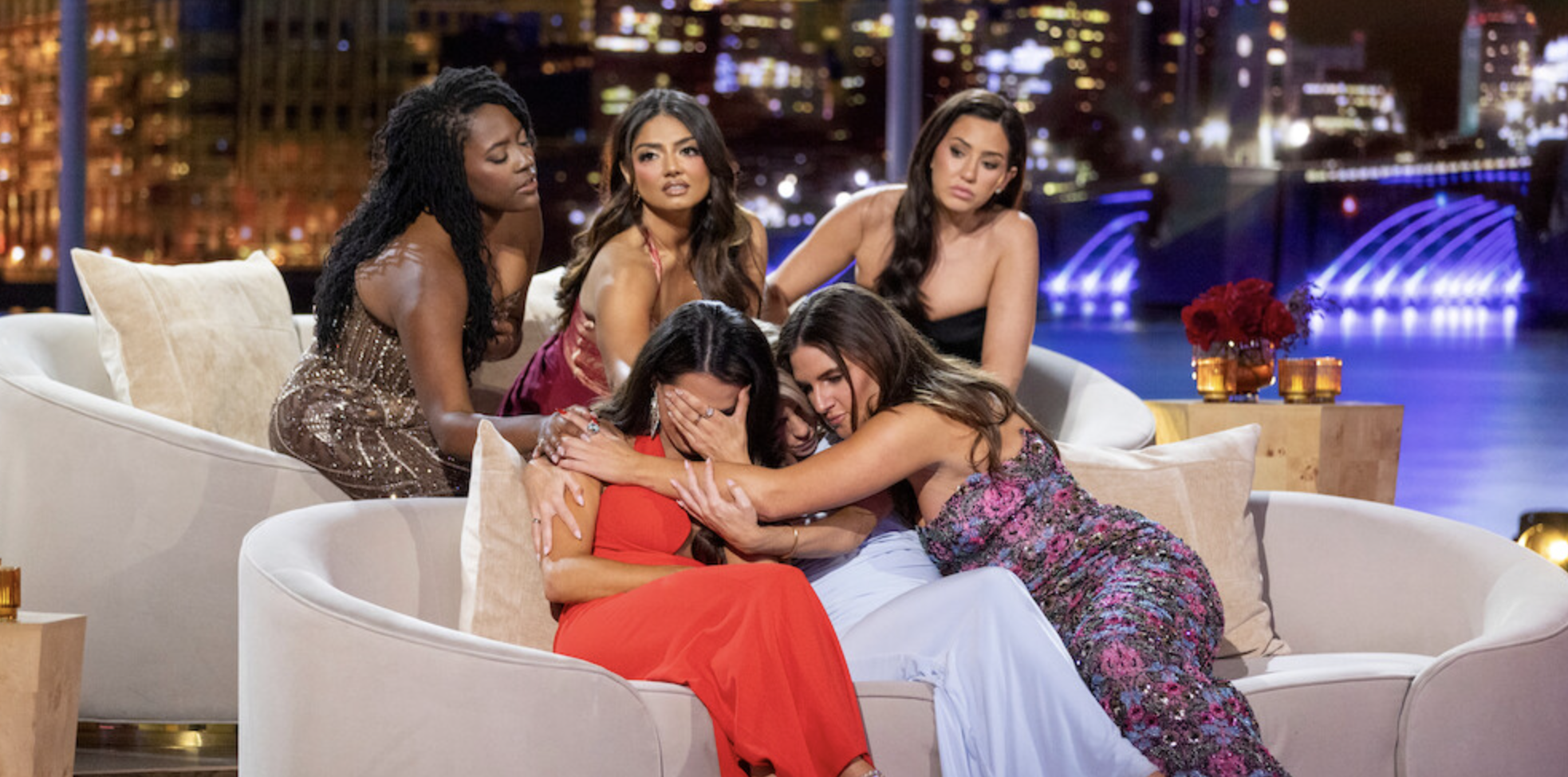
via Netflix
‘It felt like it was real, it was grounded’
In 2021, a Love Is Blind casting manager reached out to Nick Thompson through his LinkedIn. Nick told me that, at the time, he wasn’t really into reality TV. But he saw no harm in taking a call, and he decided to give it a go. Casting took over six months, and during that time he watched the first season of the show. He too was captivated by the story of Lauren and Cameron, who he said are just as lovely in person as they came across on TV.
He told me that he was “surprised” by the show, as it felt “different” to what he thought of reality TV. “It seemed like it was much more genuine,” he said. “You’re always going to have drama, but it felt like it was real, it was grounded. It was real people, trying this experiment from a genuine place.” He said he believed cast members involved were “going in well intentioned”.
However, when filming for season two took place, even then there was a “vibe around” of people trying to “lock someone down” to go further in the show. Nick said that even by season two, cast members had seen the success of season one, and the opportunities it gave its participants. “People had that twinkle in their eye for fame,” Nick said.
He told me that on reflection, he now feels “silly” that he ever thought the show was “invested” in helping him to find love. “They don’t care,” he said.
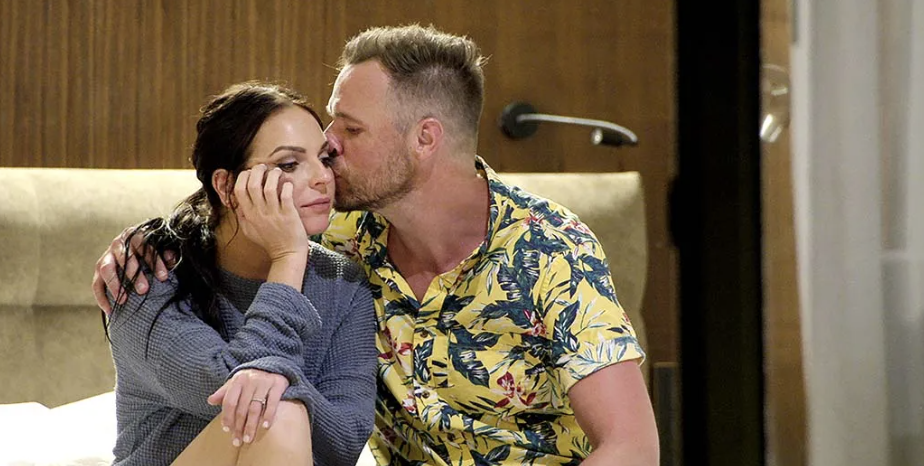
Nick and Danielle during Love Is Blind season two, via Netflix
‘Now, it’s a cast full of villains, and seeing how we can escalate drama’
Eleven seasons in, Nick thinks the “entire vibe of the show from a production and a cast standpoint has changed.” He said a lot of this is the responsibility of those casting for Love Is Blind. “If they want to maintain the standard of the show, they need to have responsibility in the people they’re casting,” he said.
Nick believes over the years, the primary focus of the show has shifted. It used to be “wrapped around the love stories, compatibility, finding if love is really blind, all of these things that really made the show. People watching are holding on to what we got in season one. But now, it’s a cast full of villains, and seeing how we can escalate the drama. It gets to the point where now people are rooting for someone to leave someone at the altar, instead of rooting for them to stay together.”
Participants from later seasons agree, and they’ve lived through this in real time. Season six cast member Sarah Ann Bick told The Tab: “I would say the show has evolved significantly since its first season. In my opinion, there’s been a much heavier emphasis on creating drama and entertaining storylines rather than focusing on the actual love story, which was supposed to be the premise of the show.”
The popularity of the show has meant the type of people applying has changed, and cast members themselves agree not everyone is in it for the right reasons. Season two piggybacked off a very successful debut, and Nick said even then, there were people who were in it because they saw fame at the end.
Shake Chatterjee, also from season two, agreed. “I think people are joining the show as entertainment and to gain a platform rather than looking for a connection,” he said. He claimed producers of the show “probably don’t care” about the types of people they are casting, “as long as people are watching”.
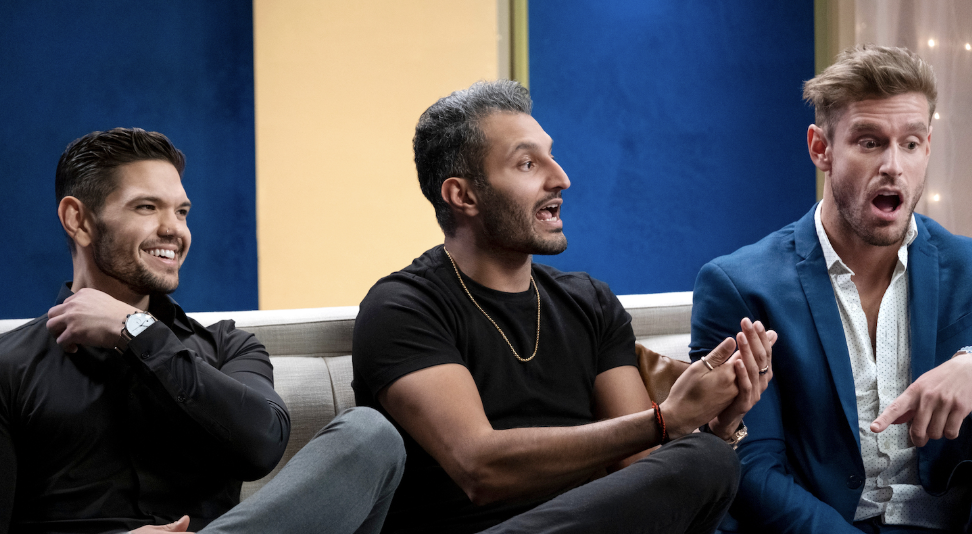
Shake during Love Is Blind season two, via Netflix
Sarah Ann added: “I do think the show’s increasing focus on manufactured storylines and drama, rather than genuine connections and love, has influenced the types of people applying. For some, the opportunity for fame or exposure has become just as appealing as the possibility of finding a relationship, regardless of whether that attention is positive or negative.”
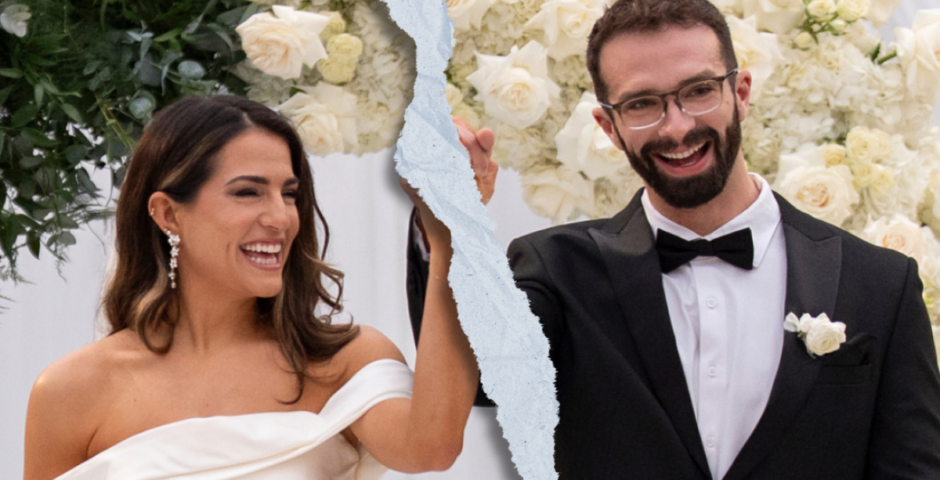
Sam Klein took part in the UK version of the show, and he also thinks the people taking part has changed and affected the overall dynamic of the experiment.
“I think casting is probably where I’ve noticed the biggest difference [in the show],” he told The Tab. “As the show has grown into such a huge global phenomenon, naturally the people applying and their motivations for going on it may have evolved too. That inevitably changes the dynamic and the viewing experience.”
He added: “People have seen previous seasons, they understand the exposure it can bring, and they’re perhaps more aware of how they’re going to be perceived on television. I wouldn’t say that applies to everyone, because I still think there are people going on with completely genuine intentions, but I do think the landscape has changed.”
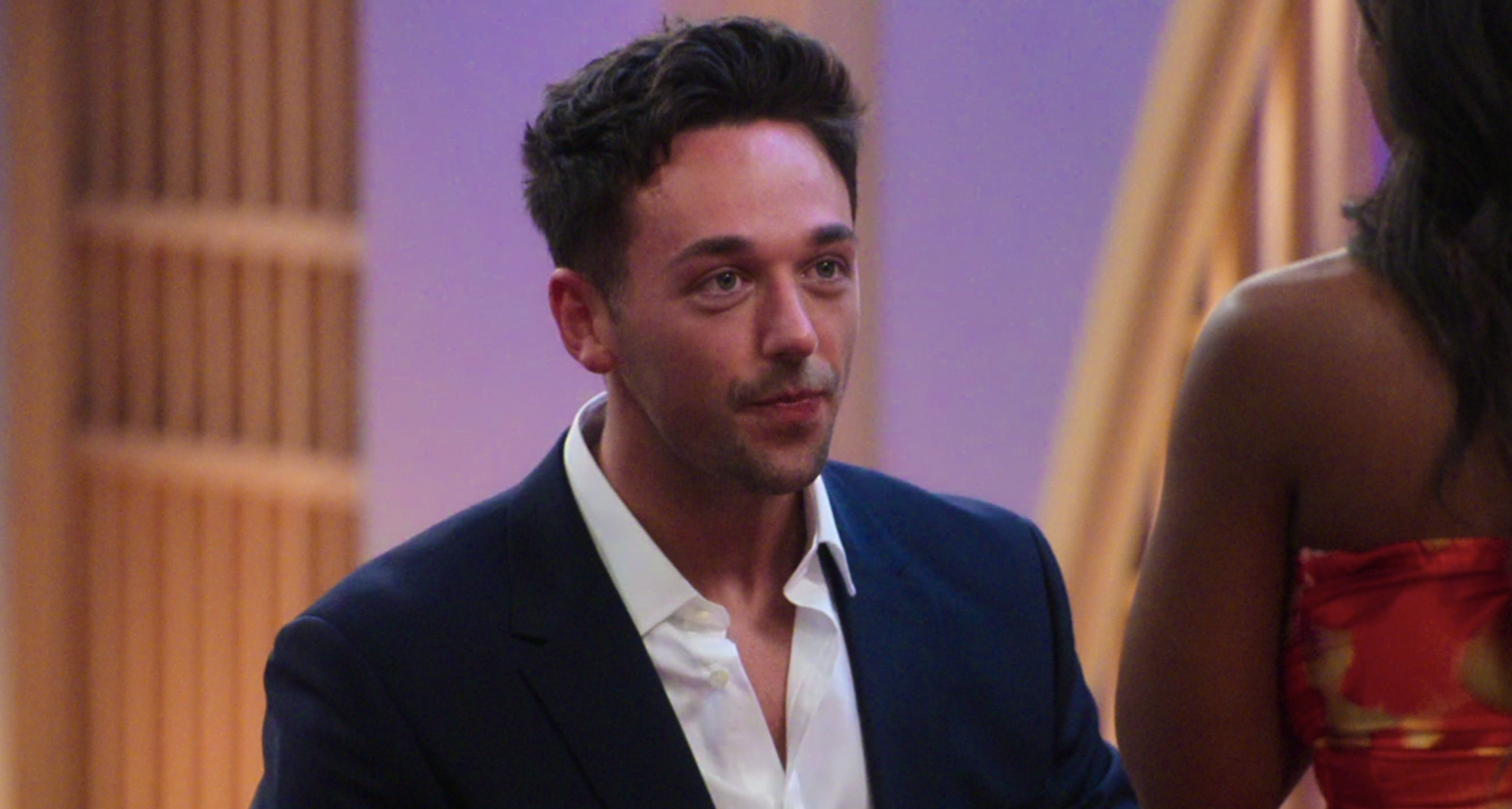
Sam on Love Is Blind UK, via Netflix
Ultimately, we just aren’t connecting with the people anymore
Sam mirrored Nick’s thoughts, that we’re rooting for a season one that isn’t coming back. “I think there’s always going to be a certain nostalgia attached to the earlier seasons, particularly seasons one, two, three and four. There were some absolute legends across those seasons,” he said.
“I think finding those sorts of profiles is incredibly difficult because they bring something very unique. You can’t manufacture that kind of personality.
“Ultimately, I think audiences want to see people they can connect with, root for, disagree with and sometimes even shout at through the television. That’s what makes great reality TV. It’s about finding that balance of genuine people, big personalities and unexpected moments.”
Sam said the show needs a break at the least, and participants from the US version of the show agree. It’s tired.
Sarah-Ann added: “I think there’s a point where having a countless number of seasons starts to dilute what made a show special in the first place. It’s become more of a pastime for people rather than something they’re genuinely excited or eager to watch. I have quite a few friends who would actually rank Love Is Blind toward the bottom of their list of reality shows.”
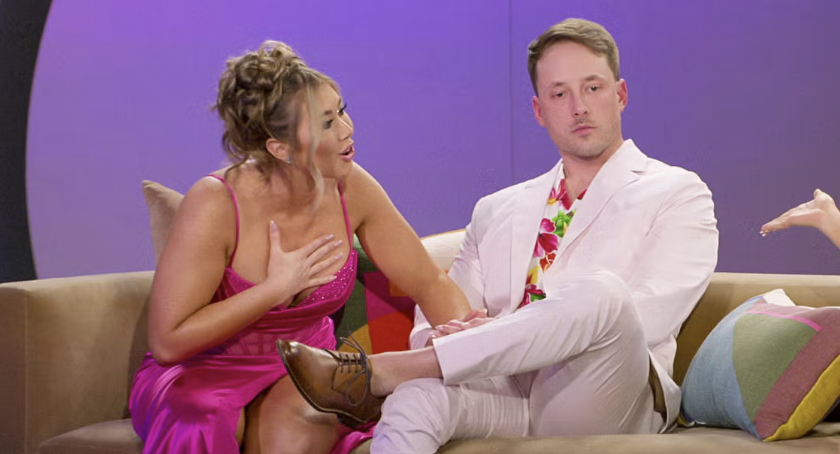
Sarah Ann and Jeramey during season six of Love Is Blind, via Netflix
‘If you’d have started Love Is Blind the way it’s become, it would never have worked’
I think it’s time to accept the Love Is Blind we once loved isn’t coming back, and chasing ratings and drama has derailed the format completely.
Nick put it better than anyone else could. “If you’d have started Love Is Blind the way it’s become, it would never have worked,” he said. “They’re chasing ratings. They’ve got season after season to deliver to Netflix. There’s less time, energy and care being put into it. What went wrong is the industry. It’s churn and burn.
“The goal all along was never to help people finding love. There was an aim to produce a show that delivered ratings. That’s the direction it went in, and it’s gone too far.”
Love Is Blind is available on Netflix now. For all the latest Netflix news and drops, like The Holy Church of Netflix on Facebook.


Latest
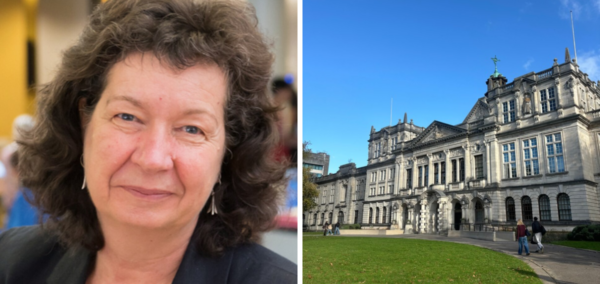
Cardiff University vice-chancellor criticised over use of language in new cuts threat

The vice-chancellor faced criticism after claiming the university cannot afford to deliver ‘a scaled-up Oxbridge model’
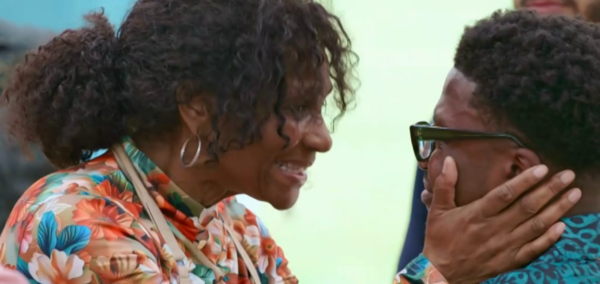
Bake Off’s Connie paid tribute to her fellow bakers and crew in a wholesome exit interview

She made sure nobody was left out
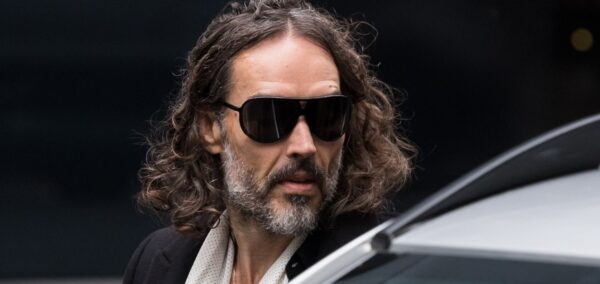
TV scenes to song lyrics: Russell Brand pop culture references removed after his conviction

A joke in Gavin and Stacey has been edited out
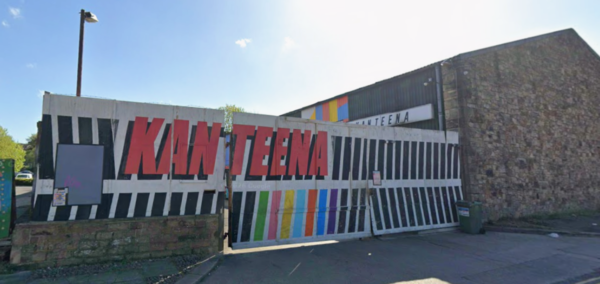
Lancaster live music venue releases statement ahead of closure later this year
The venue is set to hold its final event on New Year’s Eve
Here’s what Newcastle experiences songs from Fontaines D.C.’s Dopamine Chamber would be

Surely nowhere in Newcastle is that depressing

New sensory space opened in Lancaster Uni’s Pendle College
Pendle’s new space is the third of its kind on campus, joining those in the library and Fylde College
Leeds student bags first-class grade for dissertation on Wetherspoons

Josh’s dissertation focused on how consumers use the popular budget pub chain
Noel Fielding addresses his Bake Off future and explains why he won’t leave just yet
He wants to stay ‘forever’
‘You won’t be welcomed’: Meet the ‘nobodies’ who just got ‘Z-listers’ banned from awards show

‘Unless you’re an A-lister you won’t be welcomed – regardless of whether your ticket is via a sponsor’
Jasmine from Love Island’s wild friendship with Millie Bobby Brown as they go on ‘double date’
I wouldn’t shut up about it
‘Getting ugly’: Love Is Blind’s Rob shares about Sarah and John’s divorce behind the scenes

‘He lost Sarah, so he paid the ultimate price’
Jonathan Ross releases statement regarding resurfaced David Walliams joke, amid allegations
‘I was genuinely unaware of their conduct’
Uni student’s grovelling statement as camera captures her racist noises at Black students’ door
Alaina Kunes and her family have been subjected to ‘harassment’
Musician has his tour axed after post supporting ‘stitched up’ Russell Brand
He claimed ‘chicks who turn up at these situations’ are ‘the worst’
One rumoured celebrity is missing from official I’m A Celeb 2026 cast – is he a late arrival?!
People are convinced he’ll join the camp later
Uh-oh, John is facing more allegations in his Love Is Blind cheating scandal with Sarah
It’s been alleged that even more went down
Russell Brand has almost zero support from celebs, but the ones who’ve defended him says it all
The very last people you want on your team
Working two full-time jobs helped me become a millionaire by 27 – I’m going to retire at 30

Jane Tsang still managed to juggle two jobs during her time at university
Love Island is suing YouTubers accused of making ‘low-quality knock-off’ version of the show
In the online series, contestants gather around a firepit
James Acaster reveals the Celebrity Traitors alcohol rules got even stricter this year
The producers didn’t want them getting ‘loose-lipped’