
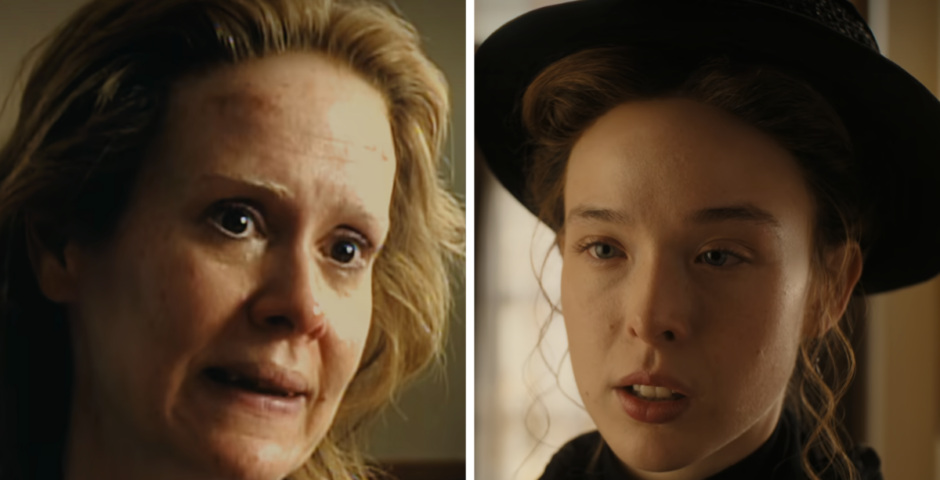
Monster director finally admits why they forced Aileen Wuornos in a show about Lizzie Borden
Despite the name, Lizzie Borden is not the focus of the story
For the past few weeks, people who watched Monster: The Lizzie Borden Story have been toiling over one question: Why is Aileen Wuornos in a TV show set decades before she was born?
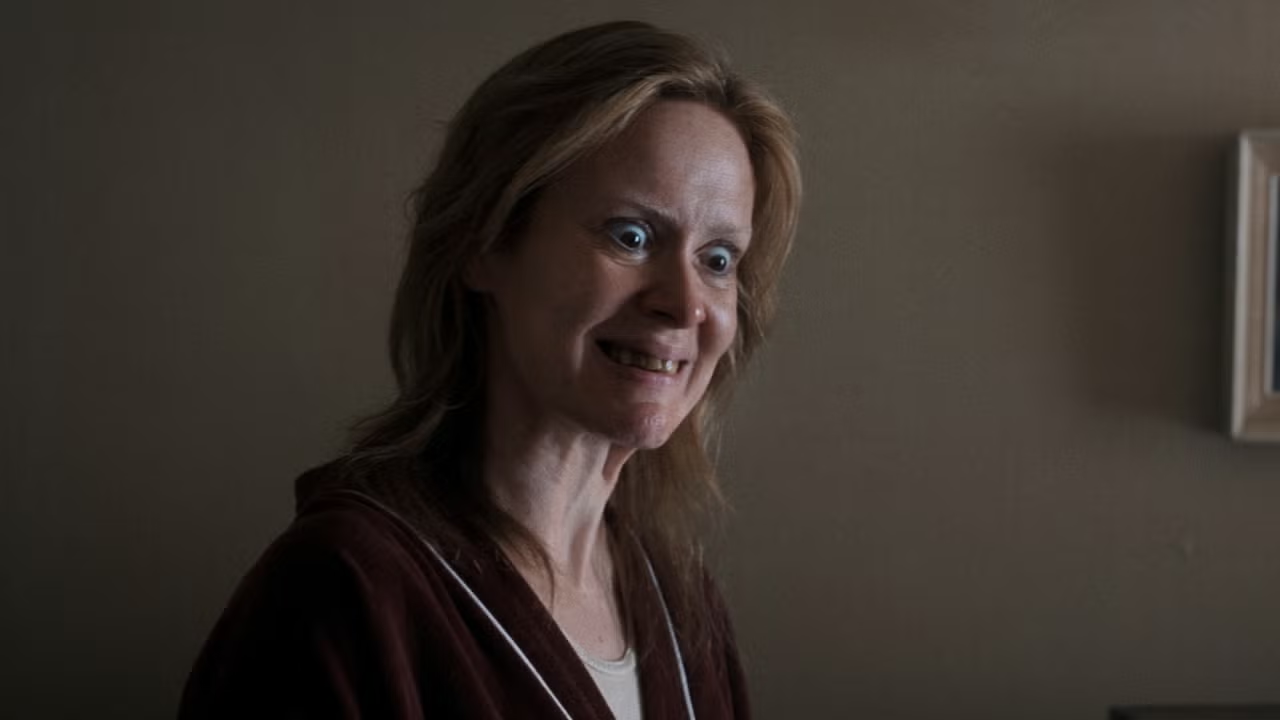
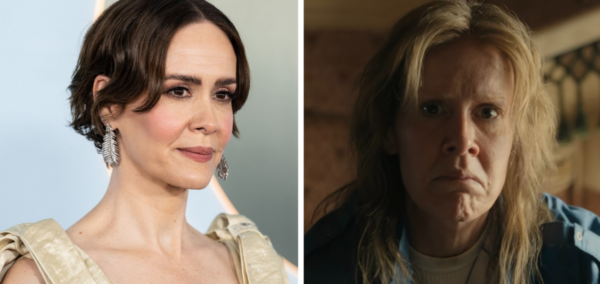
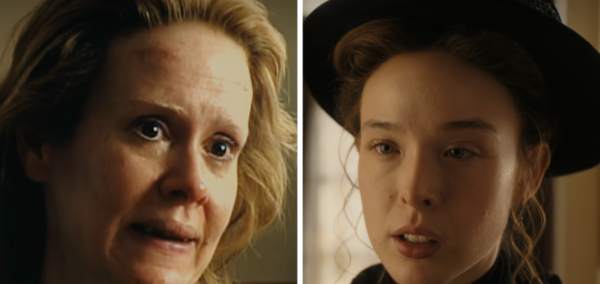
In Monster, Aileen Wuornos was played by the phenomenal talent Sarah Paulson. Her performance was eerie, and if you look at side-by-side comparisons of Sarah and the real person, the similarities are uncanny.
Unfortunately, her stellar performance has been overshadowed by what many people deemed clunky writing. Though the show’s creators have tried to explain their thinking, it doesn’t really defuse those burning Lizzie Borden questions.
“The show is exploring a legacy of female rage and reaction to the set of circumstances that they are presented with,” the show’s lead, Ella Beatty, said. “I think there’s a connection (between Borden and Wuornos) that Ryan and Ian were interested in mapping and exploring.”
In another interview, one of the Netflix directors opened up about the writing process. It pretty much confirmed what we all thought.
Credit: Netflix
So, why was Aileen Wuornos in The Lizzie Borden Story?
In a conversation with The Wrap, director Max Winkler went into detail about the thinking behind The Lizzie Borden Story and, specifically, how they were forced to expand the subject of the season.
“It was less focused on the actual Borden case and more about female rage. This was partially because of how little is known about the Borden murders,” journalist Kayla Cobb revealed after the interview. “But also because of the larger societal questions the series’ creators wanted to explore.”
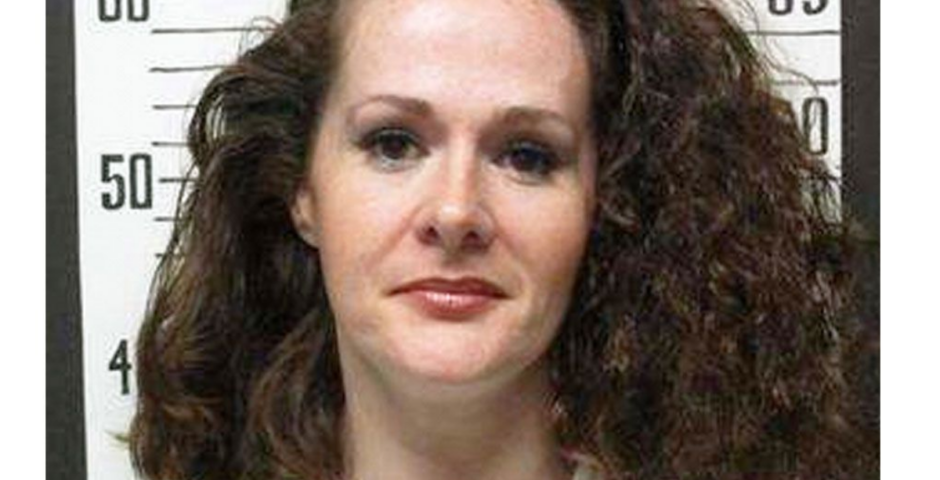
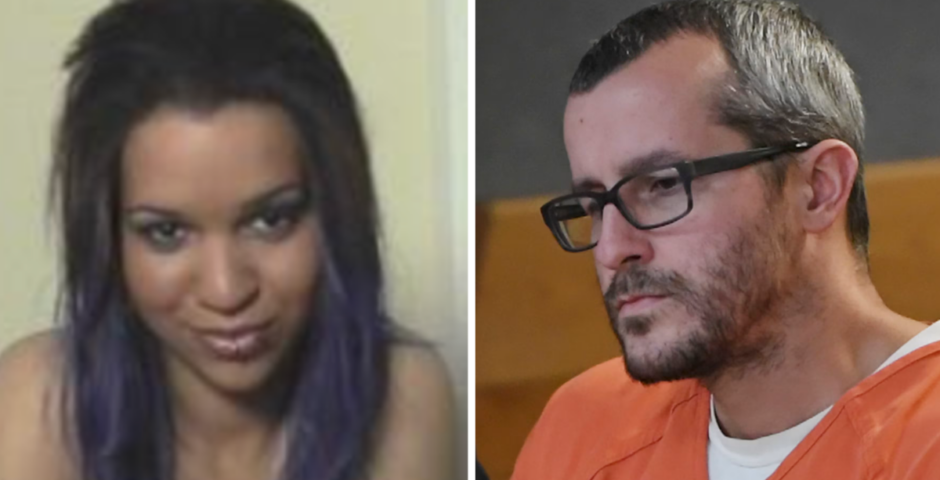
People have argued as much since the show was released; that there simply wasn’t enough meat to the Lizzie Borden’s story. That’s why the other figures, like Elizabeth Báthory and Aileen Wuornos, were introduced in line with the season’s real subject: Female rage and the way society views women who kill.
Max Winkler further explained: “How could a woman kill? It’s so foreign to us. We’re dealing with it now in the news. We fetishize women that are mothers. They sing us to sleep. We kind of rob them of their humanness. It’s like how could a woman do something that’s less than perfect? They keep the home wonderful and clean, and they have food ready for us. There’s still half of the internet that believes that.
“When a woman does something that a man has done, it is shocking. Lizzie was exonerated because men simply couldn’t believe that a woman could do such a thing. She’s not strong enough. She’s not capable of it. She’s not smart enough to get away with it. She doesn’t have the rage inside of her.
“We researched the time. We wanted to be as accurate as possible … But the story we wanted to tell, through Lizzie Borden, Elizabeth Báthory and Aileen Wuornos, was a story that so much changes and so little changes at the same time.”
I think most people understand the overarching themes of the season, but it’s not really The Lizzie Borden Story.
It should have been called Monster: We’re Doing Female Killers All At Once Story.
Monster: The Lizzie Borden Story is streaming now. For all the latest Netflix news and drops, like The Holy Church of Netflix on Facebook.
Featured image credit: Netflix
Latest
Our Celebrity Traitors predictions include Maya Jama turning on her fellow Traitors

Here’s what we think will happen
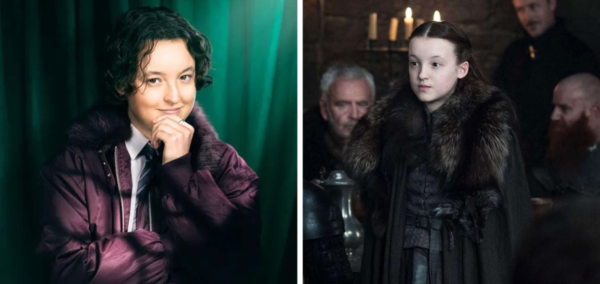
I’ve just realised that three cast members from Celebrity Traitors were in Game of Thrones

Having flashbacks to Bella Ramsey being crushed by a giant
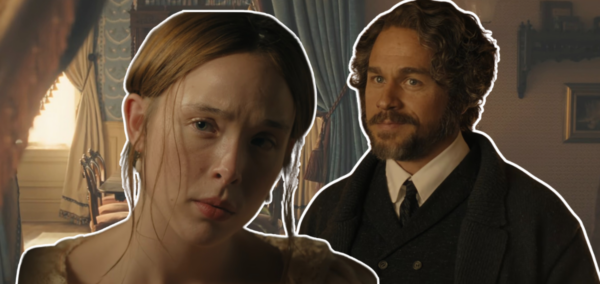


23 to 70: The ages of the Celebrity Traitors 2026 cast, from youngest to oldest

There’s a huge age range this year
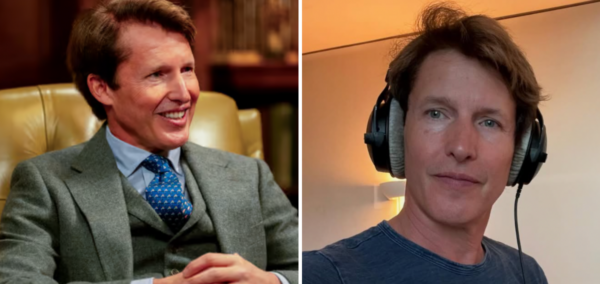
James Blunt was a British Army captain before becoming a singer and joining Celebrity Traitors
He mentioned it on the show
Monster director finally admits why they forced Aileen Wuornos in a show about Lizzie Borden
Despite the name, Lizzie Borden is not the focus of the story
Shows and films you can watch about Aileen Wuornos, where she isn’t thrown into another story

Others tell her entire case, unlike Monster on Netflix

This viral tool lets you customise your Apple Pay cards, and here’s how to do it
You can personalise the entire design

James Acaster could be the Celebrity Traitors’ recruit, as filming reportedly paused for him
It’s not much of a cliffhanger
The ridiculous fortunes of The Celebrity Traitors: Their net worths, from £500K to £50 million
One of them could legit buy the castle three times over

The Celebrity Traitors rules explained, as Richard E Grant immediately let slip he’s a Traitor
There’s actually a slightly confusing loophole
Celebrity Traitors’ Richard E Grant lost his wife to cancer after epic 38-year love story
She passed away in 2021
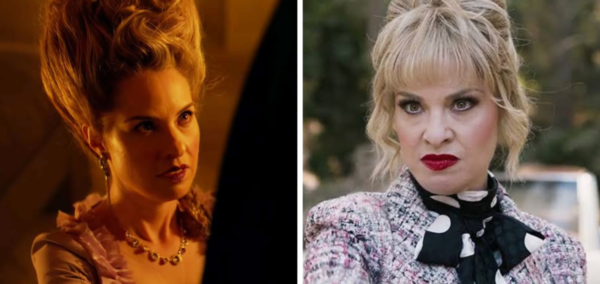
AHS 13’s Leslie Grossman explains jarring way all the seasons connect, and I’m even more confused
Sarah Paulson alone is playing five characters from different seasons
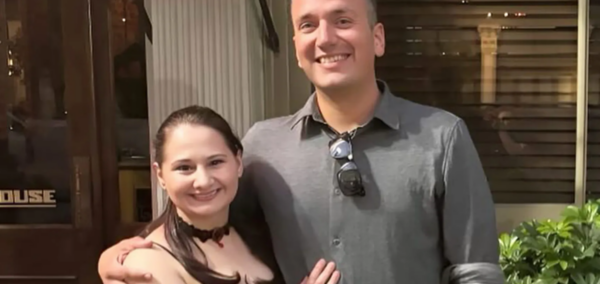
Gypsy Rose describes being ‘in disbelief’ as details of partner Ken Urker’s death are shared
The investigation is ongoing
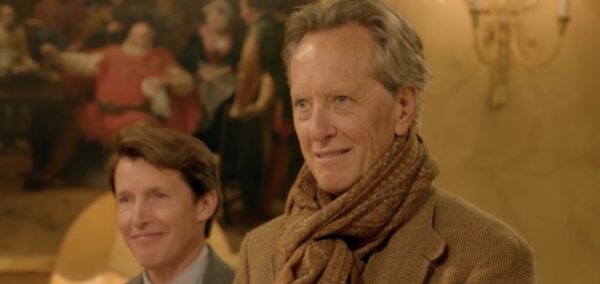
Celebrity Traitors producer shares if Richard E Grant really slipped up with Traitor reveal
I was on the edge of my seat
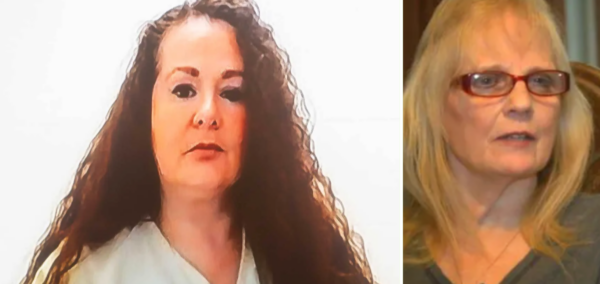
Mum of Christa Pike’s victim wants killer to face same fate as her daughter in raw message
‘If I could have gotten in that room’
The latest we know about Christa Pike’s condition in hospital, one day after failed lethal injection
She has been left with ‘blistering and burning’ on her arm
Gypsy Rose Blanchard releases statement as partner Ken Urker is found dead aged 34
They share a child together
There are co-star dating rumours about A Different World’s fittest star, Cornell Young IV
There’s gonna be about a million disappointed people