

Introducing: Cute Animal of the Week
Because everyone needs a pick-me-up

Its week bloody seven and you’re already sacking off most of your lectures and the seminars which don’t take registers. Even when you do go to a seminar you just hang your head in shame without a clue of what was in the reading.
You’ve got an essay looming which you know you should be starting but you haven’t even checked when its due or what the title is because, much like your bank balance, its a bit too scary to look at now and its just easier to push the worried nagging voice to the back of your head instead of dealing with it like an adult. So much for that first you were secretly hoping for at the beginning of the year.
Shame on you, but don’t worry, since its Tuesday and every Tuesday is just a bit crap, we at The Tab want to lift your spirits and what better way to do that is there than with a cute animal? Introducing, cute animal of the week!
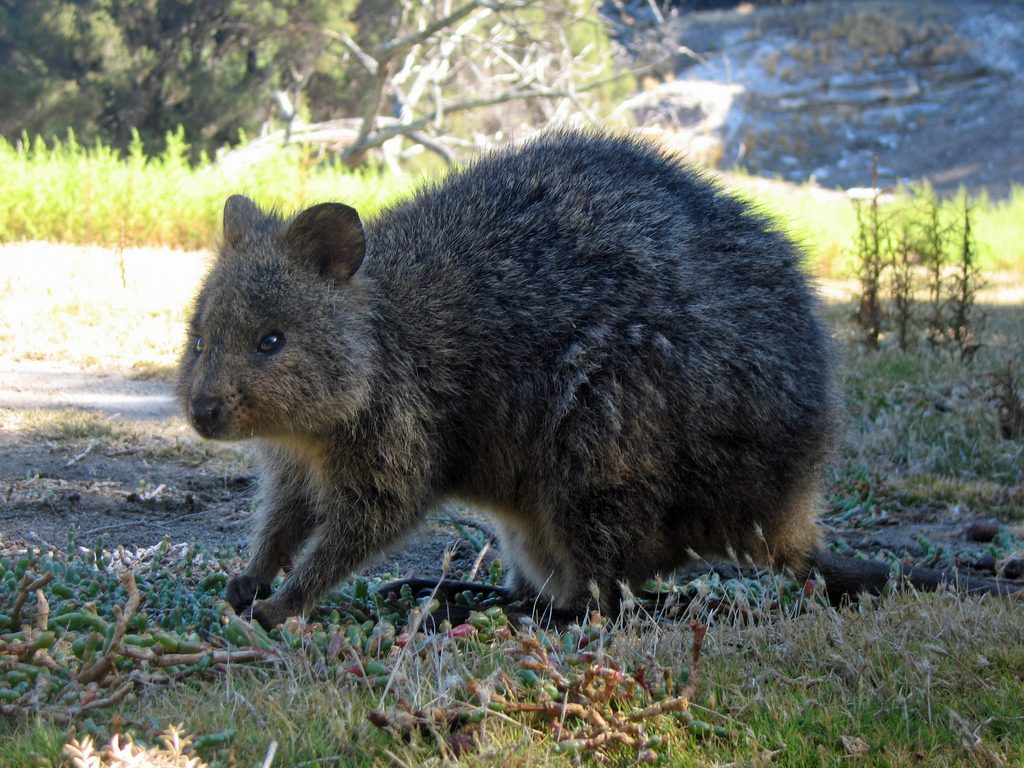
This week our cute animal is: the quokka!

Aww! What is that? A rat?
No, its a quokka. Quokkas are marsupials known not just for their charming smiles but for their friendliness to humans. So friendly and approachable are they in fact that people can get close enough to take selfies with them! If a selfie with a quokka isn’t enough to get you likes, then I really don’t know what will…
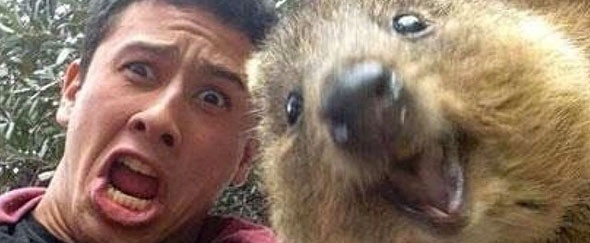
Give me the David Attenborough lowdown…
Quokkas are relatives of kangaroos and wallabies, and they’re about as big as domestic cats. They chill together in clans, spending most of their adorable day eating swamp peppermint and digging through vegetation where they sleep and hide. If that’s not cute enough, a quokka baby is called a ‘joey’ and it lives in its mothers pouch for 6 months after birth. When they are 18 months old they are able to have their own babies, and in the wild a quokka will live up to 10 years.
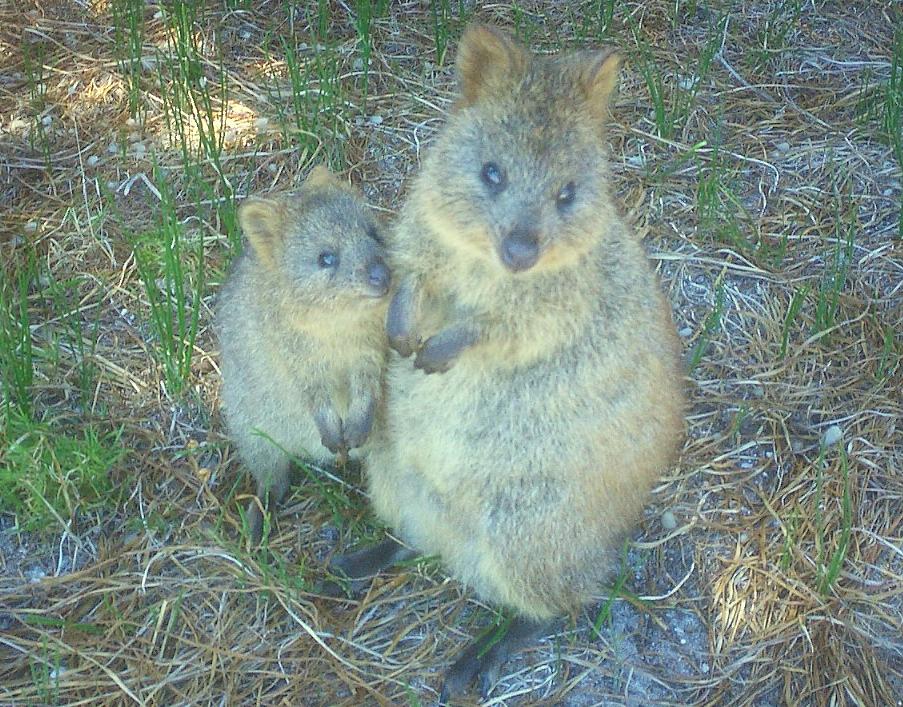

Where can I see one?
They can be found off the coast of West Australia, especially on Rottnest Island (where there are up to 12,000 of the critters) and Bald Island but also some eucalyptus forests and riverbanks on the mainland. The reason quokkas are so abundant on Rottnest is because the island was made into an Aboriginal penal colony in the 1830s, which meant for obvious reasons there weren’t too many visitors but luckily for the quokkas, it meant their habitat was largely left alone. The mainland quokkas suffered a different fate however, and being the naturally destructive beings we humans are, we hunted them down and poisoned the ‘vermin’ (classic us) until there weren’t many left.
Can I get one as a pet?
You can only wish. Quokkas are classified as vulnerable animals due to their shrinking populations and they’ve lost a lot of their habitats from logging and development. This means its very illegal to keep them as pets. I know, but they look so cuddly! Well, life is tough… get a hamster or something instead.

What can I do to help them?
If you plan on visiting the quokkas, the most important thing you can remember to do is not to feed them (it might kill them) and, as hard as it sounds, not to touch them. There is a hefty fine dished out to those who break these rules and they are necessary partly because of recent spates of cruelty towards quokkas, including people setting them on fire.
If you want to do even more to help quokkas, the best causes to support are those that aim to reduce logging in Western Australia which supports their habitats.
Check out some more facts, or sign the petition here.
Latest
How Aileen Wuornos spent her last day on death row, and how Monster changed it

She didn’t actually have a last meal

Welcome to Durham: Everything you need to know about starting out

The best ways to start your first term at Durham
Aileen Wuornos’ death row letters, from sharing a keg with Jesus to calling her girlfriend ‘ugly’

There are hundreds of letters over a 10 year period
Timeline of real-life Lizzie Borden photos shows what she looked like over the years
Monster doesn’t get her quite right

Age differences between The Lizzie Borden Story cast and the real people make it inaccurate
Andrew and Abby were so much older when they died
Monster gave Lizzie Borden and Bridget a happy ending, but did it actually happen?

The creators have explained their decision

In her own words: Aileen Wuornos’ girlfriend on why she didn’t go to police sooner
Aileen came home and told her what she’d done

Explained: This is what the chino-chanting video actually was

Take your guesses: Which intramural team do you think this will be about?

The 20 worst universities in the UK for student experience, as per The Times’s rankings

The University of Oxford is the sixth worst for student experience
Goth Baddie shares where she and Drake stand now after their romantic stream date

She said Drake makes her feel like ‘a princess’
Ryan Murphy explains why Scream Queens was scrapped from American Horror Story season 13
It would’ve been so good
We need YOU! Become a writer or content creator for the Warwick Tab!

Come to our open meeting at 3pm, Tuesday 29th September at the Dirty Duck

Selena Gomez opens up about health struggles and impact on her relationship with Benny Blanco
‘I have a lot of medical issues’

Love Island’s Luca has been flashing the life of a millionaire but his business is actually flopping
He bought Grace a Chanel bag for her birthday
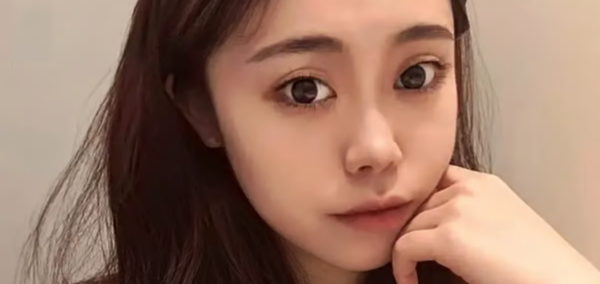
Livestreamer’s family plead for help after saying she was kidnapped for ransom in Thailand
They’ve allegedly raised the ransom

The Glee stars who want to return, as Ryan Murphy confirms the reboot script is done
10 original cast members are ‘enthusiastic’ about coming back
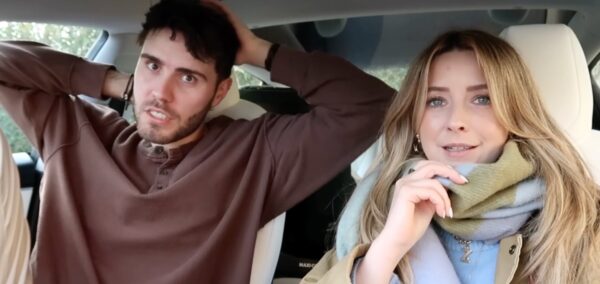
Alfie Deyes just confirmed he and Zoe Sugg will be returning to YouTube at some point
They’re not gone forever!

University of Bath addresses claims of rugby club’s ‘disturbing and unacceptable behaviour’
Students have raised concerns about ‘spiking risks’
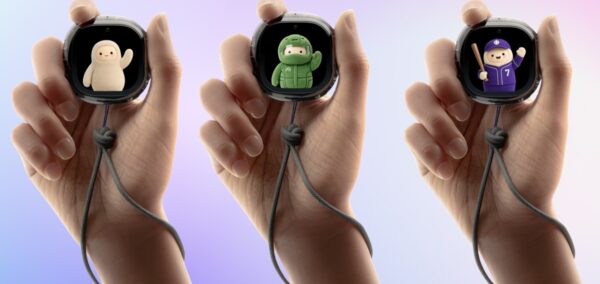
Meta is releasing a new AI charm device for your keys and it looks just like a Tamagotchi
You can customise your character
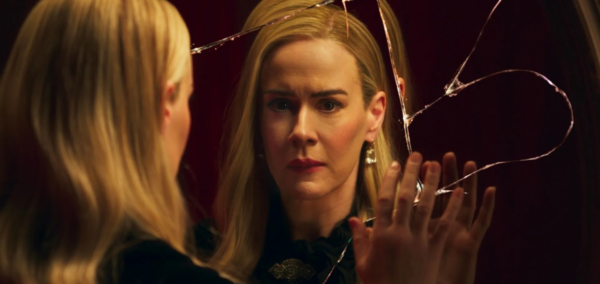
American Horror Story season 13 still feels ages away as people complain it’s ‘nowhere to be seen’
It’s out different at times across the world