

Tab Talks: Interview with Lancaster-based author Ian Edwards
Author Ian Edwards shares his insights about becoming an author and the publication process.
“AI is numbing our thoughts and killing our creativity. I think everyone has an original story inside of their heads and I just feel our creativity is being numbed by being surrounded by social media” says Ian Edwards, a Lancaster local author and handyman, speaking about his autobiography.
He considers the rise of AI an inspiration for his work as “too many books like mine are being done by machines. I think that’s a terrible thing. I think people can tell the difference”.
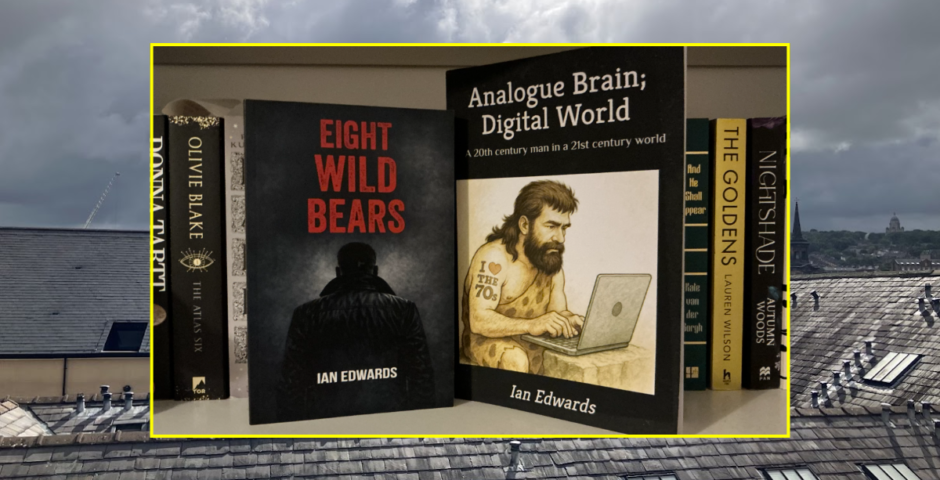
Analogue Brain: Digital World
Ian began writing his autobiography Analogue Brain: Digital World in 2025 after finding himself with a lot of free time while his wife was at work.
The novel explores his outlook on the modern digital world and how it compares to life in 1970s, when Ian was born. It features contributions from over 100 participants of what they preferred about the past, and scrutinises how far, if at all, technological progress has benefitted the world.
Following this autobiography, the author said the writing process had inspired him to test his imagination and write a fiction novel, Eight Wild Bears.
Eight Wild Bears
Eight Wild Bears is a crime thriller novel centred around fictional hitman, William Black. The plot follows Black as he is hired to kill a corrupt English businessman. In the novel, Black plans the murder at the businessman’s mansion during his daughter’s wedding.
The novel is described as a fast paced crime thriller with a hard-hitting, emotional ending, with reviews calling it “The Thursday Murder Club meets Jack Reacher”.
A sequel is also currently in works. Ian plans to write it about a serial killer in the streets of London.
The publishing process
Ian believes “everyone has an original story inside of their heads”. He shared his publishing journey with us wanting to inspire and inform beginning writers at Lancaster University.


As Analogue Brain: Digital World was his first book, he self-published it via Amazon. Ian also had his wife, Anna Edwards, design the cover herself instead of hiring an illustrator.
However, for Eight Wild Bears Ian made the decision to work with a traditional publisher. He says it took him several months to find the right publisher, who brought his novel to the market in less than 12 weeks. During the publishing process, Ian first emailed the manuscript to his publisher. His publisher then typeset it, edited and sent him a proof copy to approve.
Ian believes finding the right publisher to be a very important. He said: “having a professional publisher in your corner will give any aspiring writer confidence to keep going”.
His publisher even helped him set up a social media page to promote the books. They also “never asked for a penny until he was 100% satisfied and at every step of the process I retained full creative control”.
Inspirations
During our interview, Ian spoke about his inspirations for writing, such as his fascination with the Italian Mafia. He said his primary inspiration was “first and foremost, my imagination. I love thinking up stories and characters”. Ian also added: “sitting down with a blank piece of paper and creating something completely original gives me a really good feeling”, helping him to feel motivated.
He said William Black was a character he greatly enjoyed writing as the fictional hitman’s story was so different to his own, having grown up fishing and attending a local boys’ grammar school. Ian noted he owed the origins of his writing journey to his own boredom. For him: “I can’t just be idle, I get bored really easy and needed something to occupy my mind. Writing has given me that focal point”.
The source of boredom which provided him the time to write Eight Wild Bears. Ian wrote the book during early mornings after his wife left for work and he “needed something to do until I could go to work. Once I started I became almost addicted, writing virtually every morning”.
He describes 4am to 6am as the “sweet-spot” for his creativity. Writing early in the morning was crucial as he found coming up with ideas easier in the quiet hours of the morning.


Latest
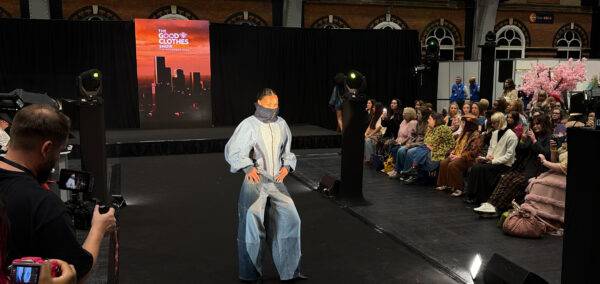
Can Manchester students be stylish, sustainable and skint?
Manchester’s Good Clothes Show asks whether sustainable fashion can be student-friendly

7 Side Quests to do before Semester One Ends
Semester One is coming to an end. Here’s some ways to make the most of it!
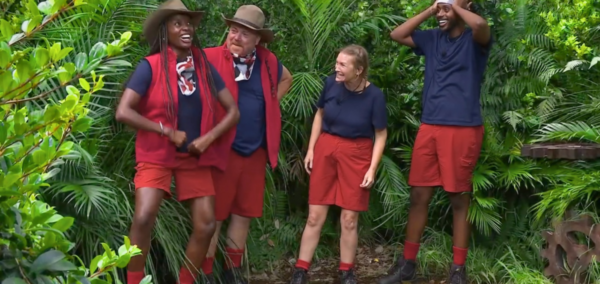
‘Keith Lemon’ confused us, but four more of the I’m A Celeb cast don’t use their actual names

Er, Ricky Wilson is not called ‘Ricky’

University students explain why they joined protests on 20th November
‘Students are saying our future is important’

Don’t forget about the new I’m A Celeb bushtucker trial rule that’s changed everything

It feels more produced every year
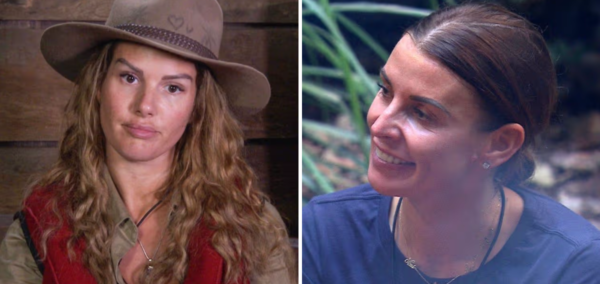
Rebekah Vardy and Coleen Rooney have both been on I’m A Celeb, but there’s a huge difference
They had a very public feud

GTA 6: How many chapters there are in total, and a full list of all the missions

It’s absolutely huge
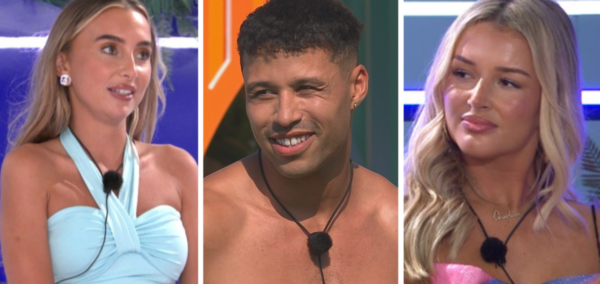
The full rumoured cast list for Love Island All Stars 2027
We don’t know the host, but we do have an idea of the Islanders
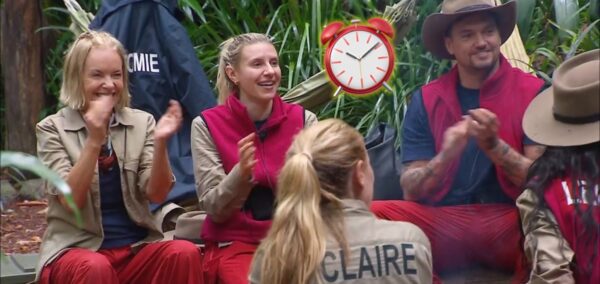
From morning to night: The full daily routine of the I’m A Celeb 2026 campmates
They don’t go to bed until 1am
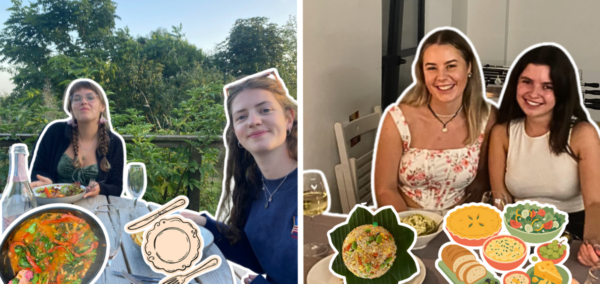
Student loan running low? Here’s 4 cheap student recipes you need to try this winter
None of them take more than twenty minutes – we know you’ve got deadlines
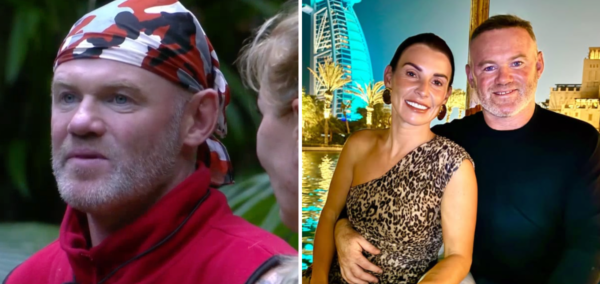
What actually happened in the Wagatha Christie case as Wayne Rooney discusses it on I’m A Celeb
‘It’s … Rebekah Vardy’s account’
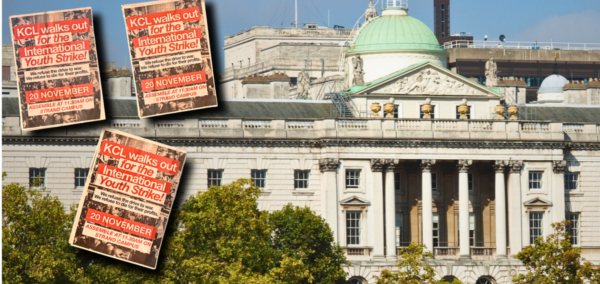
Students to walk out of all 24 Russell Group universities for the International Youth Strike
Protests are planned in more than 100 cities and towns today
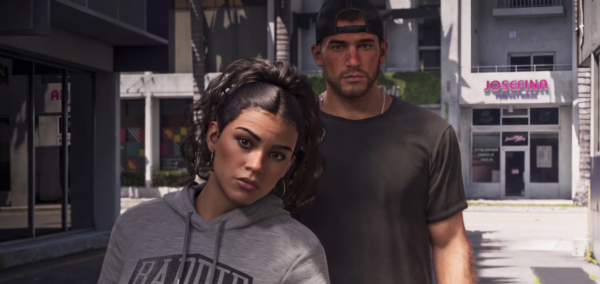
When Lucia becomes completely playable in GTA 6, and you swap between her and Jason
There’s a mission where it happens

Every cheat code in GTA 6 and how to unlock each one, from money to ammo
You can instantly get $250k
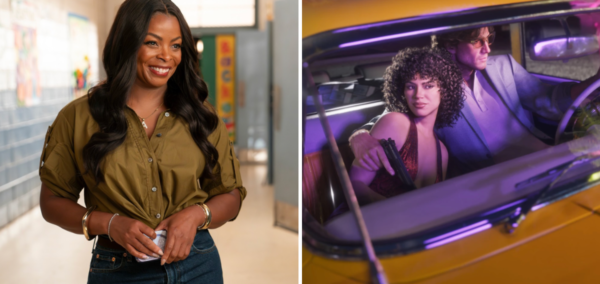
Abbott Elementary’s Janelle James reveals how she ‘bullied’ her way into GTA 6 radio role
‘It’s very important to me’
Jax and Stew have finally shared their relationship status after Love Is Blind season 11
‘I’m super glad through the chaos of the experience I met Jax’
Explainer: Why are York students protesting today?
University of York and York St John students are expected to take part in a national walk out today

Here are all 42 radio hosts on GTA 6, because there are so many rogue ones
It goes from Lana Del Rey to Weird Al