

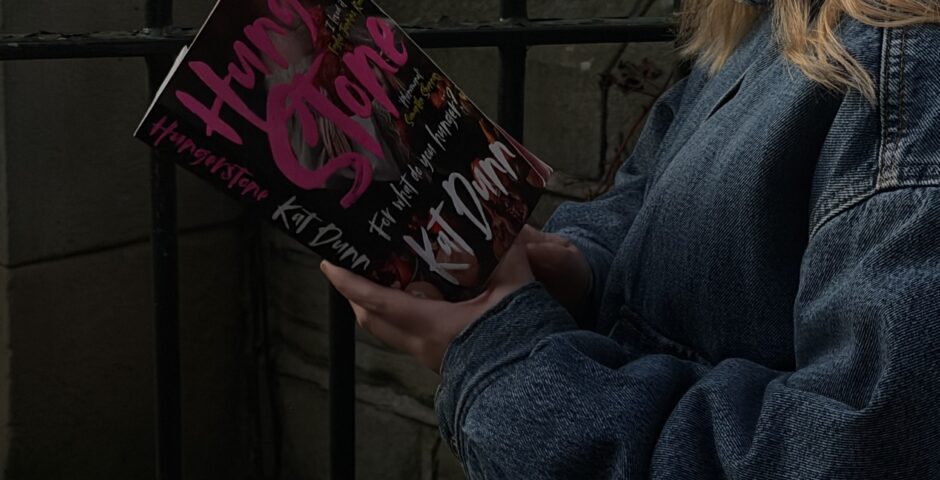
Hunger Stone: An interview with the author of Sheffield’s Dracula
An interview with Kat Dunn on deep dive into the feminist book, all about female desire, hunger and most importantly- the Peak District

A sapphic retelling with gothic peaks
The haunting surroundings of Sheffield’s Peak District are used as the setting for Hunger Stone by Kat Dunn. It showcases feminist, gothic themes with the sapphic retelling of the novella ‘Carmilla’ by K. Sheridan Le Fanus’s from 1872. The vampire story that influences the book ‘Dracula’. Lenore is portrayed as being trapped in a souring marriage with her husband Henry, in Sheffield. Carmilla bursts into their lives leaving Lenore with confusion and desire. An appetite she never knew could be unleashed, awakened within her. The Sheffield Tab spoke with the author, Kat Dunn
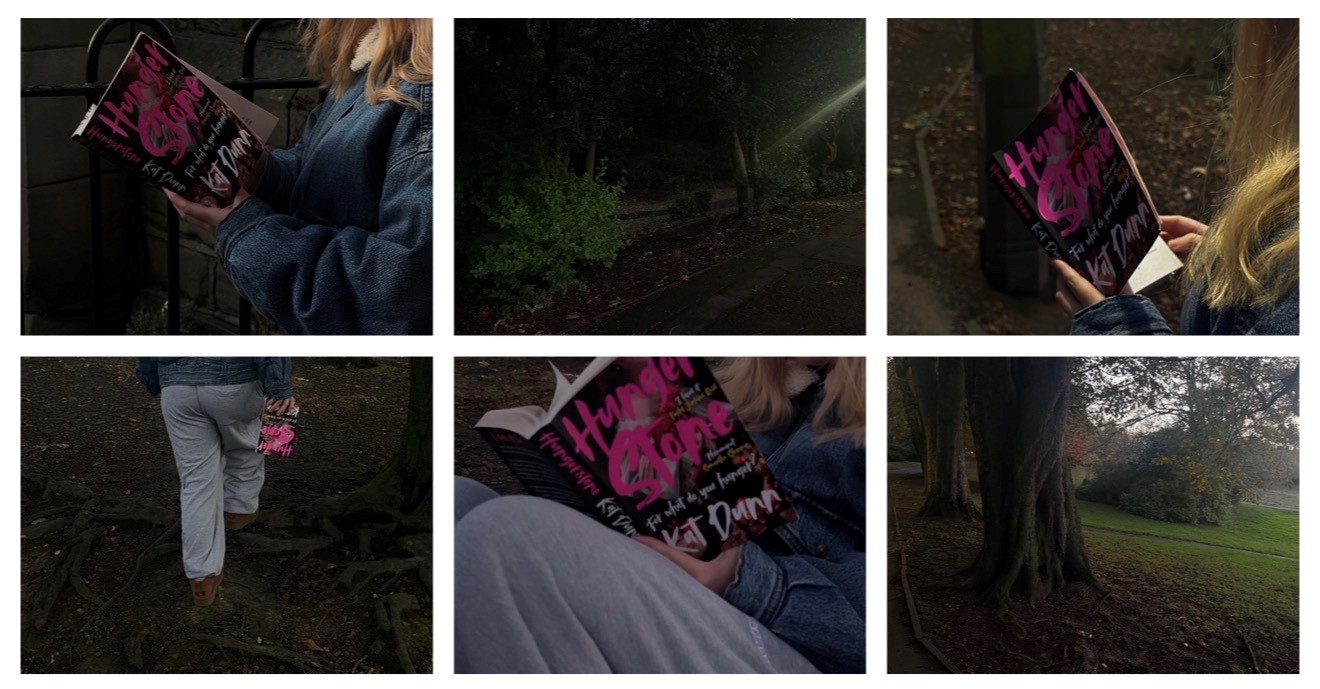
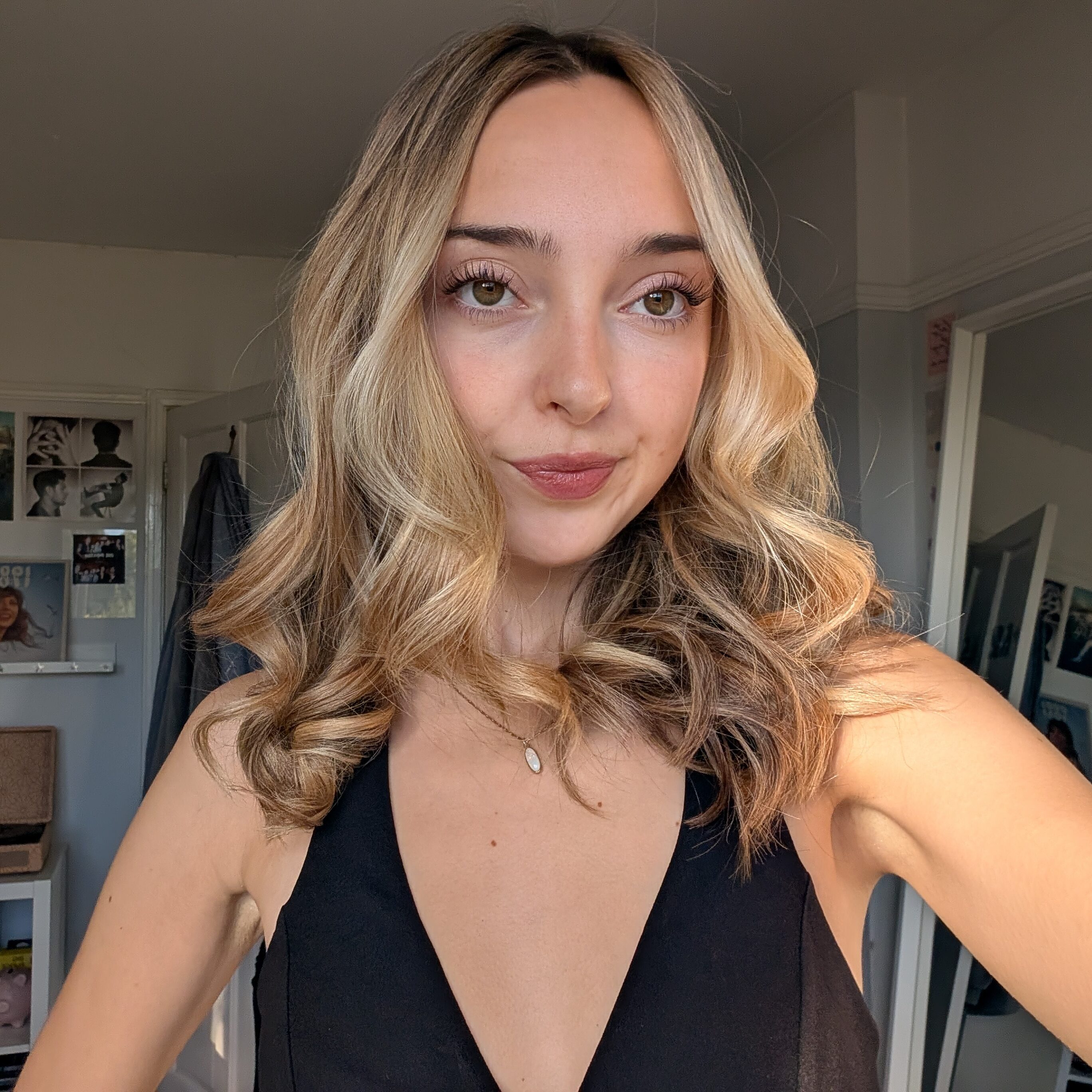
credit: Alicia Bates/ The Sheffield Tab
Dunn’s Inspiration
As a teen, Dunn always had a connection to the book ‘Carmilla’ that shaped her adolescence leading to writing the novel. Hunger stone was born from visits to the Peaks where she would stroll through with family taking in her surroundings. After stumbling on an eerie house, she knew this would be the setting. With her love for all things haunting, she wanted to create something around female vampires and ‘Carmilla’ was perfect motivation.
Creating Lenore and female desire
While constructing the character of Lenore, Dunn had to jump into her headspace to think like her to tell her story righteous. Portraying Lenore in the 1st person composes audiences to almost become her and find relatability within the character. It allows audiences to feel Lenore’s unravelling firsthand of the struggle with society.



Dunn wanted to show unspoken desires within the gothic genre by taking characters like Carmilla as a hatchway for women, especially Lenore to break out of the horrors of society and the domestics of their homes. A quote that jumps out to me over this subject is when Carmilla says “you’re feeding the wrong hunger” to Lenore. It shows the everyday terror of life in a patriarchal world and the grotesque of being a woman wanting things. Dunn says, “Lenore is doing things for approval but is killing herself on the inside making it frightening to engage in desires”.
Dunn’s writing process
When writing, Dunn likes to have the basis of the beginning and the end in her mind before she fleshes out the rest. She told the Sheffield Tab it took her two months to finish the book but spread over a period. Dunn wrote too much to fast which wore her out to take a four month break.
Dunn started writing without re reading ‘Carmilla’ as she wanted to start with remembering how she felt reading the book as a teen. During the break, she re-read it as an adult with a new perspective which made her finish the book. From taking solo walks in the Peaks to bouncing ideas with friends, Hunger stone was shaping to the finished novel it is. Dunn told me she had a lot of influence from her uncle who has a vast range of knowledge about anything old and gothic which helped her write the eerie themes. The novel is considered finished by Dunn when she no longer bears to loo at it, signalling as its ready to be printed.
The grotesque of female appetite
Overall, when asked what she wants her audience to take away from reading, she simply said “to take away the boom as their own” and she said she knows it is a cliché answer, but it’s very true. Dunn wants readers to see how frightening it is when appetite and desire becomes prominent as it becomes exposing. It poses a risk as it can inherit consequences making women rather sit in silent than acting on selfishness they need. This is easier and safer, but it’s never the solution. This book has the perfect grasp of eeriness and haunting elements. It showcases trapped women pushing boundaries and having a satisfying ending that is deserved. It shows how the true horror is the entrapment of patriarchy and how many find it grotesque when women finally awakens appetite.



Latest

GTA VI players have already crossed the line, and as a queer person I’m genuinely exhausted

It’s been out for 12 hours ffs, aren’t there better things to be doing on there?!
Wayne Rooney reveals why he turned down I’m A Celeb last year, and what’s changed

He refused even though two of his pals were on there

How to have a more sober November in Bristol
You’re too broke to be spending £8 on shots at Lakota anyway.

Love Is Blind’s Sarah shares where she and John stand now, after escort texts and divorce filing

There’s been a big change since the reunion

On a budget this winter? Here’s 9 winter activities that are all £10 or under.
We’re all skint students after all

Actor’s dad says son’s death is a ‘mystery’ after altercation at pier led to his alleged drowning
Alexander Haskin also featured in The Rookie
Editing error during I’m A Celeb 2026 majorly ruins the illusion of the jungle
ITV tried to fix the blunder, but failed

The 30 UK universities with the worst environmental impact, as per the QS world rankings

The Wolverhampton Uni scored 6.3 out of 100 for environmental sustainability

The best independents for Christmas shopping in York
Stressed about finding the perfect Christmas gift? Here is your go-to guide for finding the perfect present (from a local)

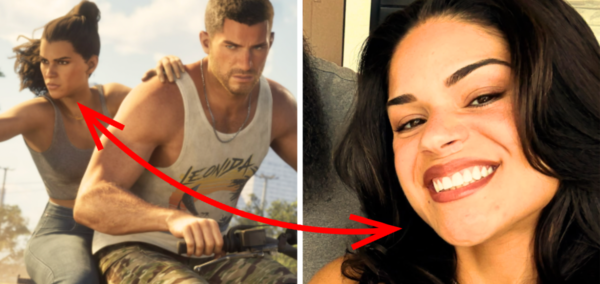
Side by side: GTA VI’s vibey voice actors and their characters, as thirst for Mandy ramps up
I KNEW I recognised Cal’s voice

Here’s how to edit a story on Instagram, the strict time limit and how it notifies people
The new feature just launched today

University of Manchester ranked among world’s top universities for sustainability
The university continues to be recognised for its global sustainability impact
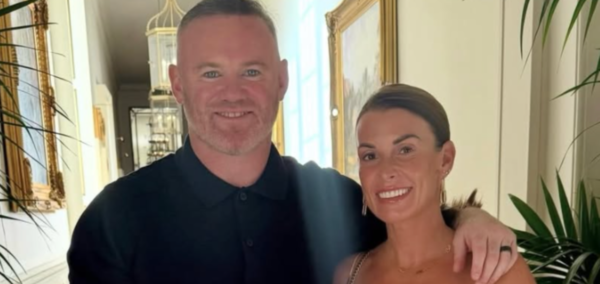
Wayne and wife Coleen Rooney have been plagued by cheating allegations over the years
Here’s everything that’s happened

I’m A Celebrity’s Chloe Burrows reveals why she quit Celebrity SAS after just 38 hours
‘I don’t even know why I did it’

Eight facts about I’m A Celeb comedian Jack Skipper, because no one has the foggiest who he is
He planned to launch a burger restaurant called Dorothy Gherkins

The oldest graduate and first dogtor: York St Johns record breaking graduation
This weeks ceremonies see’s York St Johns oldest-ever graduate and first ‘Dogtor’ graduate
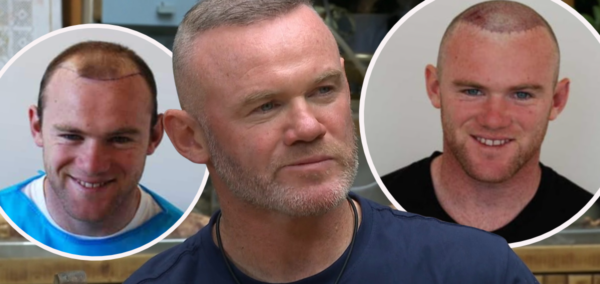

How much Keith Lemon is getting paid for I’m A Celeb and his impressive net worth
He’s the third highest paid this year

Claire Sweeney is third richest I’m A Celeb campmate, so here’s a look at her secret fortune
She has rebuilt her wealth after serious money problems