

Why Cambridge students should be having cold showers
Here’s what I’ve learnt from freezing myself every morning for the last two years, just hear me out…


Wim Hof – Image credits: The Adventure core and the Creative Commons Licence
Today’s society is obsessed with comfort: Most of us live in heated homes, cover ourselves with clothes, and dress up warm if it’s cold outside. Our bodies, however, have evolved to handle much more intense conditions than we put ourselves through. This has been demonstrated by countless extraordinary humans, most notably perhaps being Wim Hof, a Dutch athlete who has completed feats like climbing Mount Everest to an altitude of 23,600 ft in nothing but shorts. Deliberately exposing ourselves to these harsher conditions, particularly the cold, can stimulate primal responses within our bodies, resulting in a number of profound benefits to our mental and physical well being.
Mental Health Benefits
A significant boost in energy, alertness, productivity, and focus
Long-term stress management
Anti-depressive effects

Image credit: Giovanni Cancemi, Shutterstock and the Creative Commons Licence
Better self-discipline
Physical Benefits
Improved circulation & cardiovascular health

Image credit: Shutterstock and the Creative Commons Licence



Stronger immune system
Increased metabolism
How to actually start having cold showers
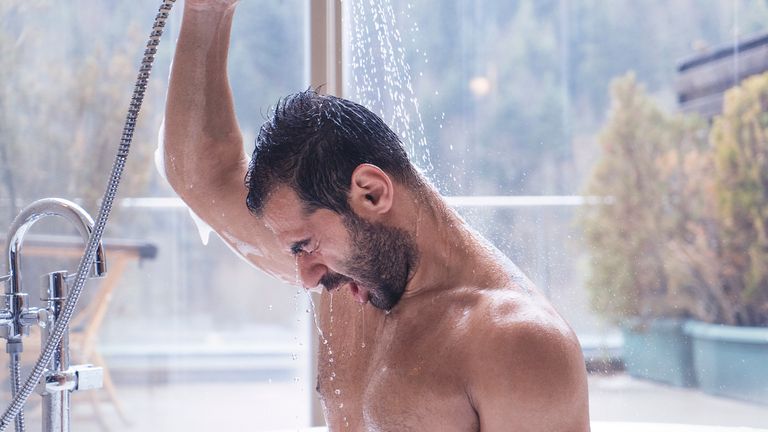
Image credit: Getty Images and the Creative Commons Licence
-
-
Distract yourself – using any means necessary (singing, listening to music, reciting your favourite Tab article etc.)
-
Energise yourself – get yourself pumped up and charge into the friction of the cold like a warrior (please don’t literally charge, you might slip)
-
Embrace the cold! – take controlled deep breaths, relax yourself, and focus on how the cold is making you feel
-
Articles recommended by this author:
Father of Bristol student who died by suicide is bringing online counselling to millions of students
A student says she saved up her student loan and used it to…buy a £180,000 house
‘New first years are the best we’ve had,’ says Birmingham lecturer
Latest

‘Never be alone’: Nance O’Neil dished about intimate dinners with Lizzie Borden in great detail

Lizzie had the same odd demand each time

The real life crime scene pictures from the Borden house that were used in Lizzie Borden trial

The police who worked on the case have been described as ‘sloppy’

The real Lizzie Borden’s time in prison wasn’t as glamorous as Netflix’s Monster

Yes, she did stay in an actual cell



Horse dealers, doctors, and the other suspects left out of Monster: The Lizzie Borden Story
Even Jack the Ripper came up

After Ed Gein, why Charlie Hunnam came back to play Andrew Borden in The Lizzie Borden Story
The Monster creators and the actor have explained their decisions
Is going to uni still worth the money? Leeds students weigh in

With tuition fees now at £9,535 per year and rent costs soaring, uni is more expensive than ever

Expert reveals her reasoning behind Gen Z’s viral iced coffee interview controversy

Maybe she has a point

Police stop alleged terror attack on Manchester’s Jewish community

Two men are currently being interrogated on suspicion of terrorism

Converse releases apology statement after people claim new ad resembles ‘racist imagery’

‘I cannot fathom why Converse would greenlight something so abhorrent’
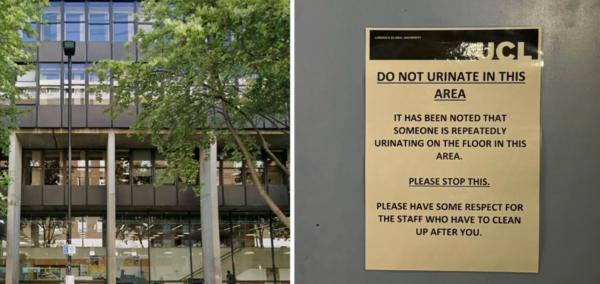
Sign spotted in UCL building condemns culprit for ‘repeatedly urinating on the floor’

One person on social media compared it to rumours of a ‘phantom defecator’

Who was Aileen Wuornos? The real story behind her role in Monster: The Lizzie Borden Story
She was an infamous female killer

Inside the incredible $8.2million LA mansion Nick and Vanessa Lachey just listed for sale
It has a guest house, basketball court and pool

Charity issues warning over ‘dark’ and ‘upsetting’ scene in Monster: The Lizzie Borden Story
It’s a disturbing watch

Seances, ghosts, and parties: The legacy of Lizzie Borden’s last resting place, Maplecroft Mansion
‘Some people have said that they have been pushed. I got poked in the eye’

Olivia Rodrigo rinsed for sending handwritten letter ‘begging’ Grammy voters to nominate her
It’s like a GCSE English essay