

Performance students are being totally exploited and enough is enough
Art thou not making any Monet?
The truth is that there is significantly less support and fewer graduate opportunities for students with Arts degrees and something has to be done. We've outlined some of the biggest problems performance and arts graduates are facing throughout Glasgow and the rest of the UK in the hope of better informing others, as well as safeguarding and improving support for the arts in Scotland.
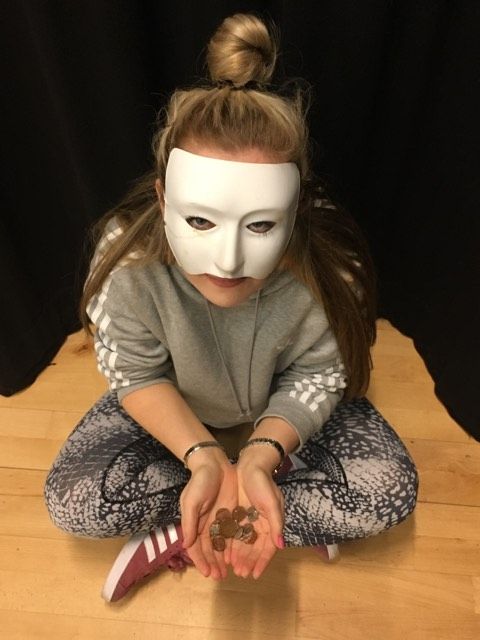
Tuppence a bag
1. The expectation for unpaid work
The first major issue across many graduate fields is the expectation for students to take on unpaid internships and work 'opportunities.' Imagine you actually enjoyed your job. Would you do it for free? I mean you’re having fun, right? That’s not work. Wrong – we work extremely hard to achieve the skills and qualifications required and this deserves recognition. Performance students have to go through gruelling auditions processes and rehearsal schedules, and the climbing costs of participation is excluding students who are attempting to support themselves.
2. Misconceptions about the level of work involved
Secondly, there are huge misconceptions about the level of work involved in performance and arts degrees.
I was buying my first laptop. The sales assistant asked me: "what's it for?" "Uni", I replied. "What are you studying?" he asked politely, to which I replied: "Performance. But believe it or not there's actually a lot of written work!" Why did I feel the need to justify my need for a laptop? Would the assistant have laughed and refused my money? Of course not. In that moment, I realised I did not respect my own degree because of unfair misconceptions.
f my course was to rid itself of all written work, I'd still be this exhausted. Don't get me wrong, it is fun. Sometimes I watch my classmates jumping around as demons to Spooky Mormon Hell Dream and think, "I can't believe we’re getting assessed on this". And I have been paralysed with laughter trying to get through a scene, playing an old cleaner who smokes 50 a day. But that doesn’t mean it’s not hard work.
In reality, performance degrees are far more hands on and time consuming than any other discipline. The planning, the practise, researching the social and political context, the rehearsals; a shit tonne of stuff goes into creating a performance. It’s tough exposing a part of yourself, whether that be through a song, a dance, a painting, a photograph, or a design. It requires a lot of skill and confidence, just like any other job.
As if that makes any difference. YEARS of hard work and dedication to your degree, only for your auntie to turn around and ask, "You still doing yer wee drama hing?"



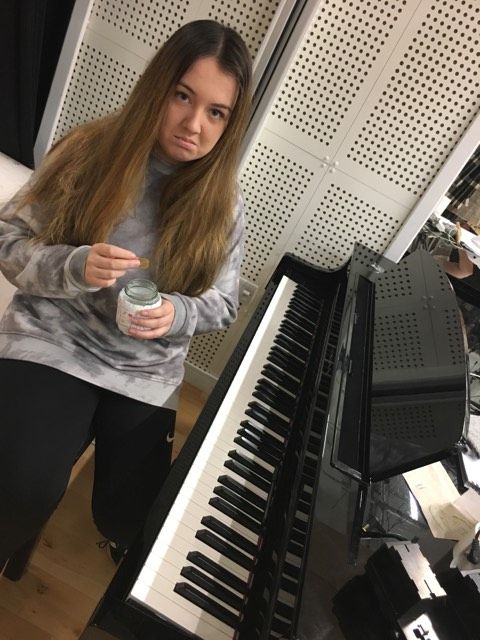
Yes Gran, I am.
3. The cultural devaluing of art
The crux of the matter is that in today's fast paced and ever changing technological age, people just don't value art and performance in the same way anymore. The attitude that art is not labour is the reason why students struggle to find employment after they’ve graduated, as well as causing a whole heap of other issues. Artists are often expected to work for free, or for petty amounts despite hours of work. The old “Hey! Fancy designing an album for my band?” then being affronted when you mention payment: “I thought we were friends???”
The justification – art is for art’s sake. You had a valuable experience, surely that’s enough to satisfy you?
The result is many artists are forced to work various precarious jobs. The likelihood is they will maintain non-related part-time jobs to sustain income whilst they look for work. Of course, sometimes you need work for free to get your foot in the door. But there comes a point where you need to stop and consider: is this really benefitting me? I envy folk who graduate and move smoothly into their “big girl job”. If only it was as simple for us artists.
This is the reason why I was often embarrassed to admit I study performing arts. I feared responses like “good luck with that” or “you’ll probably end up teaching”. Believe me, I’ve heard those on many occasions. There’s an attitude embedded in society that art is a waste of time. I beg to differ, as the Creative Industries contribute over £5 billion a year to the Scottish economy. Why then, are local authorities continuing to cut our funding?
In closing, I'd like to give a hearty Glesga shout out to my drama brothers and sisters – just because we’re not on River City, doesn’t mean we’ve failed. Keep persevering, ignore the taunts and jibes and fight to inform your fellow students and protect and improve opportunities for arts and performance graduates.
It’s time we started respecting art as labour again, acknowledge its importance and encourage more people to be creative. So the next time the drama students are putting on a show, or the music students a mini concert, or the art students a gallery night, buy a ticket and support!

Give em the old razzle dazzle
Latest
King Charles makes brief royal visit to Lancaster and Preston
The King met with Preston residents, Lancaster choir members and World War Two veterans as part of his visit

The November curse for students, how to avoid it
Here’s how to take care of yourself during these stressful times

A student’s guide to staying happy through seasonal depression
Simple ways to lift your mood, embrace the season, and find a little light when the days feel long away at uni
Cardiff University ranks in the world’s top 6% for sustainability
Cardiff Uni ranks 114th in the world, whereas Cardiff Met falls behind at 779th

We’ve hit a bleak wall. So are we about to see the end of ‘experimental’ dating shows?

A look into reality TV’s most toxic trope
A guide to curing homesickness in Sheffield
The Sheffield Tab’s guide to coping with homesickness during the cosy season

A breakdown of the intense 76-question questionnaire and application for Love Is Blind
All these questions and they still cast the worst people ever
Seven things you need to do before Chapter 3 ends in GTA 6, as they’ll be gone for good

There are so many missables

Oxford tops ranking of the Russell Group universities with the cleverest lecturers in 2026

Surprisingly, UCL has more prestigious academics than Cambridge

Dua Lipa to a 2015 hit: The songs that have climbed the charts after featuring in GTA 6
The GTA effect is real

From College Green to Westminster: growing pressure over Rosebank oilfield
Bristol Rosebank protestors’ demands gain urgency

Bake Off’s final three share emotional letters ahead of the final and people are very confused
Don’t worry, no one has been eliminated

Unlocking hairstyles, and four other handy things you can use the WAiNK app in GTA 6 for
This feature will get more makeup for Lucia

Celebrities call out Mariella Frostrup over her ‘aggressive’ comment about AJ Odudu on I’m A Celeb
Her mum has also spoken out


Google review rankings of clubs in Edinburgh: Where is the best rated night out?
What the public really think about your favourite Edinburgh club x


Five foolproof ways to lower your Criminal Profile in Grand Theft Auto VI
Start driving over gravestones now!