

Now Charlie Hebdo at Queen’s WILL go ahead
Writers and academics praise QUB after change of heart

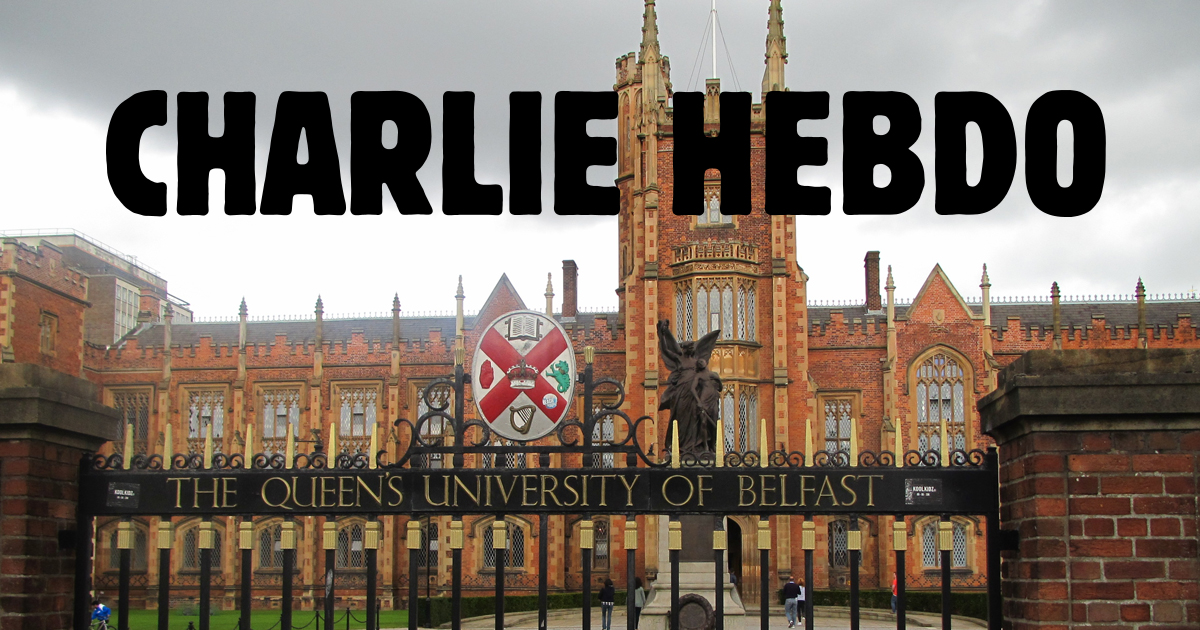
In a dramatic u-turn, QUB’s previously cancelled Charlie Hebdo symposium will now go ahead.
The University has reversed its initial decision to cancel the event, which it did so on security grounds citing “risk for delegates and about the reputation of the university.”
Following criticism from novelists, poets, academics and intellectuals over the cancellation of the conference, Queen’s has decided the event will go ahead.
In a statement released on Friday, a spokesperson for the university said: “Following the completion of a comprehensive risk assessment, undertaken in line with approved protocols, the university is pleased to confirm that the Charlie Hebdo Research Symposium, organised by the Institute for Collaborative Research in the Humanities, has been approved.”
Jason Walsh, the Irish correspondent for the Christian Science Monitor and Oxford University philosophy professor Brian Klug were among those condemning the cancellation by Queens, suggesting the University was more interested in not offending students than any actual risk.


Robert McLiam Wilson, the Belfast-born novelist who writes for Charlie Hebdo, said he was “delighted and pretty proud that QUB have done the hardest thing there is to do, they changed their minds.
“There will be a conference now. Something which is pretty lengthy and often boring. But complexity and truth often is lengthy and boring. It is not best served by Twitter tempests and Wikipedia wisdom. If we take the time for respectful discourse, information and opinion can be shared, and who knows, maybe even some approximation of truth can be found.”
The move has also been welcomed by Patrick Corrigan, the director Amnesty International’s Northern Ireland.
He said: “The decision by Queen’s to give the go-ahead to the Charlie Hebdo event is clearly the right one. The original decision by the university to cancel the event generated significant public outcry, because people care passionately about this issue.”
Latest
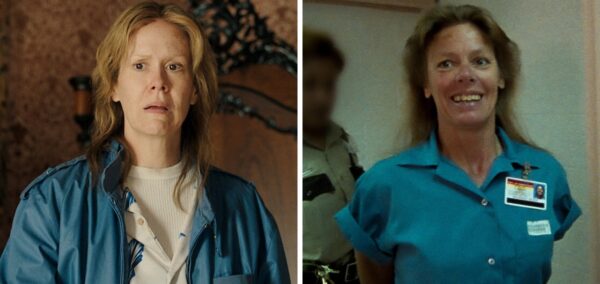
What Aileen Wuornos was like in real life, and how this compares to The Lizzie Borden Story

Her depiction was scarily accurate
I asked Newcastle students about their sex lives as freshers – it got MESSY

Exploring your disastrous hook-ups, group chats, and questioning the obsession with virginity
First week back at uni? Here’s everything you need to pack in your bag

Mary Poppins is quaking in her boots…
London university releases statement after professor sentenced for a child sexual offence

Barry Langford was a Professor of Film Studies at Royal Holloway


Young father-of-two died on day he was due to start at University of Glasgow

Young father tragically passes away at 24 years old after suffering a brain aneurysm
Bella Ramsey’s specific acting career gives them ‘an edge’ on Celebrity Traitors (they hope)
Their past roles have prepped them for Missions
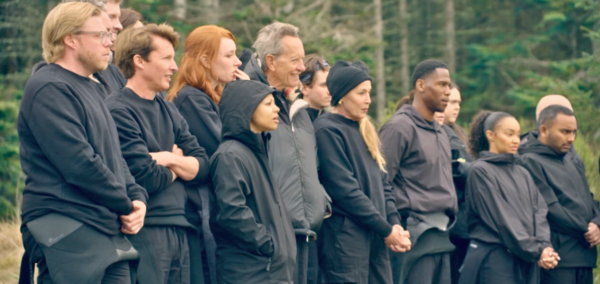
12 of The Celebrity Traitors season two cast asked to be Traitors, and six to be Faithfuls
Three celebs couldn’t make up their minds
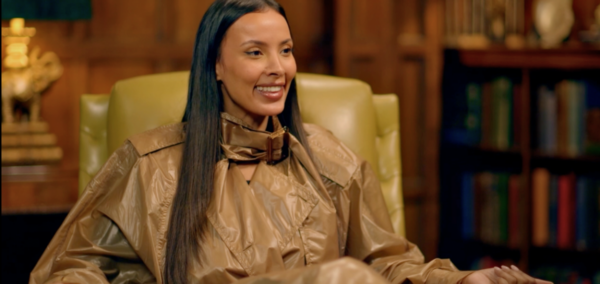
Maya Jama’s game plan for Celebrity Traitors is to avoid trying ‘too hard’ or ‘overthinking’
This is really devious tbh

Newcastle University buildings evacuated after ‘suspicious item’ found on campus

Police, fire crews, and fire engines arrived at the scene
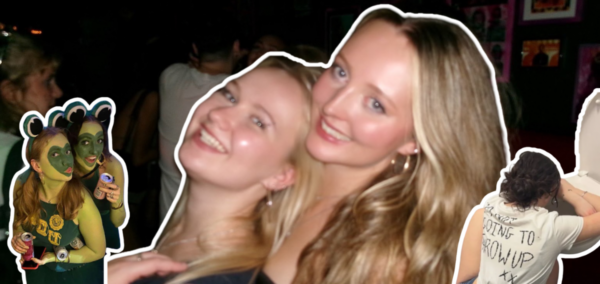
12 things every Fresher gets wrong in their first few weeks at uni

From wearing your lanyard everywhere to leaving your washing-up until it grows its own ecosystem

Our Celebrity Traitors predictions include Maya Jama turning on her fellow Traitors

Here’s what we think will happen
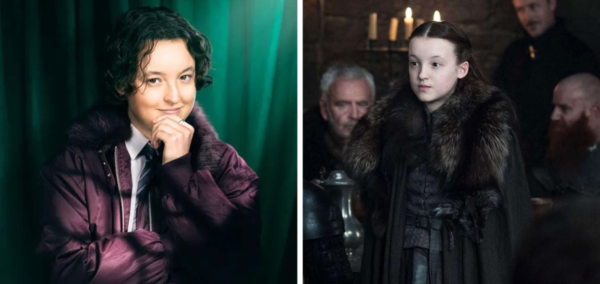
I’ve just realised that three cast members from Celebrity Traitors were in Game of Thrones

Having flashbacks to Bella Ramsey being crushed by a giant
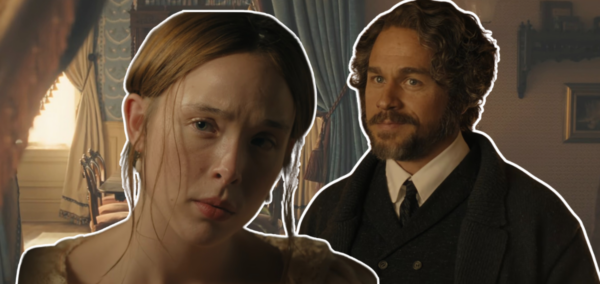
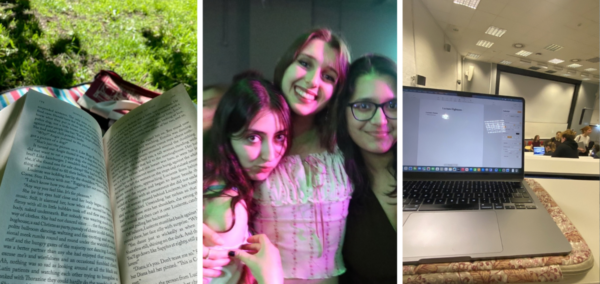


23 to 70: The ages of the Celebrity Traitors 2026 cast, from youngest to oldest
There’s a huge age range this year
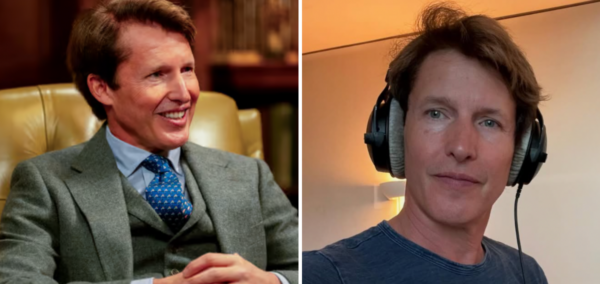
James Blunt was a British Army captain before becoming a singer and joining Celebrity Traitors
He mentioned it on the show
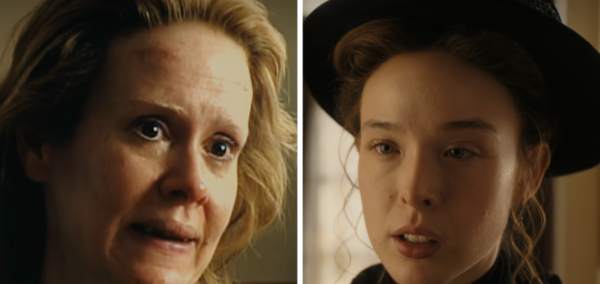
Monster director finally admits why they forced Aileen Wuornos in a show about Lizzie Borden
Despite the name, Lizzie Borden is not the focus of the story
Shows and films you can watch about Aileen Wuornos, where she isn’t thrown into another story

Others tell her entire case, unlike Monster on Netflix
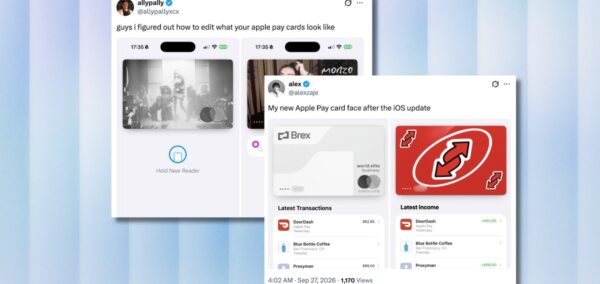
This viral tool lets you customise your Apple Pay cards, and here’s how to do it
You can personalise the entire design