

Meet the UEA students supporting the local community in lockdown
The organisation aims to help people in need with food, medicine and other support services

A group of UEA students and alumni have co-founded West Norwich Helping Hands (WNHH), an organisation that aims to help members of the local community in need of food, medicine and other support services.
Eddie Gell, who is studying MSc Business Management, set up WNHH in March. Patrycja Poplawska, who is studying BA Law, joined the group in June, and founded the No Longer Strangers (NLS) project. This works within WNHH, reaching out to BAME and immigrant communities in need.
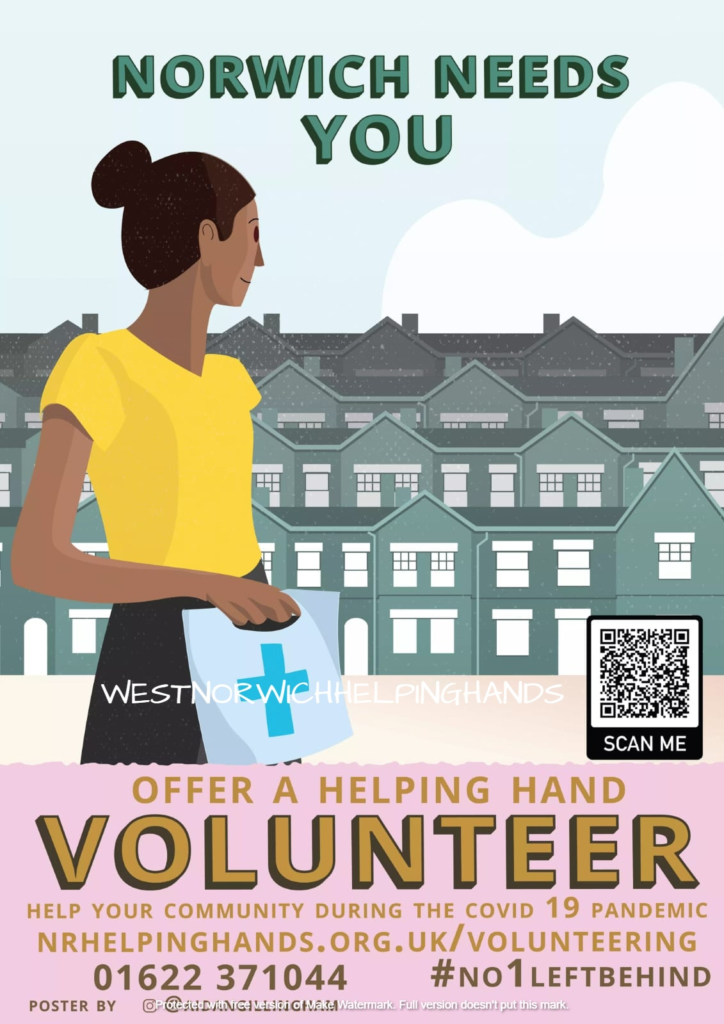
The Norwich Tab spoke to both of these students about their organisations, and how the recruitment of students and graduates has played a huge part in connecting the Norwich community across generations and other barriers.
When was WNHH founded?
Eddi: WNHH was founded in March 2020, by myself and a man called Chris after we met in a Norwich COVID-19 group and realised we were in the same postcode.
What inspired you?
Eddi: We wanted to help and we felt the most effective way to do that was locally, especially as I don’t drive and it’s a lockdown!
How have you balanced the work with your studies?

What are the aims of WNHH and NLS?
Eddi: Our aims were to reduce food poverty and provide a variety of healthy ingredients and snacks delivered to those who were affected negatively by the pandemic or life circumstances in general.
Patrycja: So, NLS has three branches:
How many team members do you have?
Eddi: At our peak we had 50 volunteers, the majority of which were students. I was studying education, but we had students from all degrees and backgrounds helping us out.
How many people have WNHH helped so far?
Eddi: We delivered 1,400 food parcels between March and August. We also did prescription and shopping requests but I don’t know the numbers for that.
What kinds of services do you provide?
Patrycja: No Longer Strangers enables WNHH to provide more personalised services in that, where possible, parcels and other essential services will be delivered by native speakers. In addition, as already mentioned, we have translated forms on our website which people can fill in in their own language. We would also like to provide a more formal interpretation service, where our volunteers assist other organisations as well as help members of the public with translations of eg. governmental COVID-19 guidance, documents etc.
Do you have any plans for expansion/recruitment of volunteers?
What more do you think can be done to help the local community in this pandemic?
Eddi: We need more resources for connecting with other people and reducing isolation, there’s a definite problem with loneliness. From a country-wide perspective; more financial security for students, those on low wages and the self-employed.
Latest

How to do the Hotel Lobby AI trend from TikTok that puts people into Quavo and Takeoff video

It’s gone viral this week
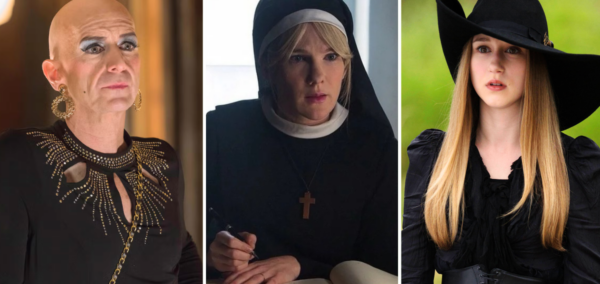
The iconic stars we won’t see in American Horror Story 13, and the ‘absurd’ reason for the snub

I’m going to write a very angry letter to Ryan Murphy

Ed Sheeran’s cousin shares his theory on Macklemore’s exit, as rapper announces new tour

‘I’ve witnessed him being a coward’

The actress who plays Lizzie Borden has shared her take on if she was guilty or not

It’s the big question

Ed Sheeran’s shows survived Macklemore row, but might still be cancelled as stage building paused
The stage was almost built

Raves, trips and becoming a godfather: Lorenzo Alessi on his single era after Love Island
He’s living his best life
How Aileen Wuornos spent her last day on death row, and how Monster changed it
She didn’t actually have a last meal
Welcome to Durham: Everything you need to know about starting out

The best ways to start your first term at Durham
Aileen Wuornos’ death row letters, from sharing a keg with Jesus to calling her girlfriend ‘ugly’
There are hundreds of letters over a 10 year period
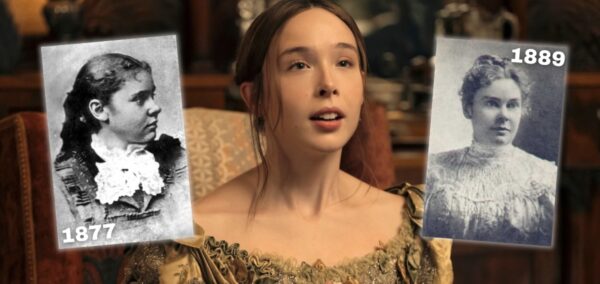
Timeline of real-life Lizzie Borden photos shows what she looked like over the years
Monster doesn’t get her quite right

Age differences between The Lizzie Borden Story cast and the real people make it inaccurate
Andrew and Abby were so much older when they died

Monster gave Lizzie Borden and Bridget a happy ending, but did it actually happen?
The creators have explained their decision
In her own words: Aileen Wuornos’ girlfriend on why she didn’t go to police sooner
Aileen came home and told her what she’d done

Explained: This is what the chino-chanting video actually was

Take your guesses: Which intramural team do you think this will be about?

The 20 worst universities in the UK for student experience, as per The Times’s rankings

The University of Oxford is the sixth worst for student experience

Goth Baddie shares where she and Drake stand now after their romantic stream date
She said Drake makes her feel like ‘a princess’

Ryan Murphy explains why Scream Queens was scrapped from American Horror Story season 13
It would’ve been so good
We need YOU! Become a writer or content creator for the Warwick Tab!

Come to our open meeting at 3pm, Tuesday 29th September at the Dirty Duck

Selena Gomez opens up about health struggles and impact on her relationship with Benny Blanco
‘I have a lot of medical issues’

Love Island’s Luca has been flashing the life of a millionaire but his business is actually flopping
He bought Grace a Chanel bag for her birthday