

These 10 tweets show access is a problem even once you’ve got to Oxbridge
‘I got told I would never be a good historian if I only spoke one language’

Access has always been at the centre of discussions surrounding Oxbridge, and more specifically, the application process. Many organisations and charities are working to help those from disadvantaged backgrounds with their applications, including the likes of Target Oxbridge which has been successful in helping black African and Caribbean students and students of mixed race black African and Caribbean heritage increase their chances of getting into Oxford or Cambridge. But what happens once you actually get there?
Access issues clearly persist once you enter the world of Cambridge or Oxford and are seldom discussed, and this Twitter thread (started by @philosophequeer) led to some alarming revelations about certain educational and lifestyle expectations that some students have come across during their studies (did you think Latin was a dead language? Seems not):
1. Knowing Latin is assumed to be the norm
love how oxbridge doesn’t see access as a problem once you’re through the door. can we talk about how a week before my finals, i was told to use latin – a language i never had the opportunity to learn – to help in my french translation exam? would love to hear other‘s experiences
— aaron gabriel (@philosophequeer) July 1, 2020
2. Apparently being good at history is dependent on knowing many languages?
someone just sent me this:
i got told in first term that i would never be a good historian if i only spoke one language and that it was ridiculous i didn't know one already… having come directly from an underfunded state school that didn't even offer language a levels 😡
— aaron gabriel (@philosophequeer) July 1, 2020
3. Assuming everyone is a polyglot appears to be a recurring theme
https://twitter.com/rhiannonm_s/status/1278434871392833536?s=20
4. The love for Latin endures
Ohhh yeah the music undergrad tripos (Cambridge) has an entire paper in first year where you're expected to analyse plainchant, including, naturally, the setting and word painting in Latin. They provide an English translation (with different syntax ofc), but like… ok?
— Alice Rose (アリス・ローズ) (@alicetheoboist) July 1, 2020
5. Parlez-vous francais? Apparently you should!
https://twitter.com/livemily18/status/1278620570947653635?s=20
6. An inability to understand that not everyone can splash out on a holiday
https://twitter.com/ellamharold/status/1278299980906848259?s=20



7. Assumed knowledge of Latin strikes (again!)
https://twitter.com/lydlud_/status/1278318294752247809?s=20
8. The transition from comp to Oxbridge isn’t the easiest
Yep and it’s also about your expectations/entitlement. Coming from a failing comp with big classes it never occurred to me that I could contact tutors for help in between tutorials! Found out before finals that I’d missed out on all that help and guidance for 3 years. Not great.
— SEM (@EssieEmm) July 2, 2020
9. Someone share the hidden reading list, please!
https://twitter.com/EHopeDoherty/status/1278280958421204994?s=20
10. Etymology seems to be the hardest word…
In most tutorials, i've had to ask what words mean – words that aren't directly relevant, e.g. botony & fashion brand names. Tutors generally laughed, or then took the piss with other terms. Asking for word meanings didn't make me feel inferior, but the responses certainly did.
— Ebie Edwards Cole (@EbieEdwardsCole) July 1, 2020
I think it’s safe to say that there’s still a long way to go when it comes to access once you pass through the mystical gates of Oxford or Cambridge and these tweets certainly highlight this.
The CUSU Class Act campaign, for post-admissions access, have created a google form you can access here for any Class Act identifying students to report any kind of discrimination or unfair disadvantage they have faced during their time at the university, in order for this to be followed up and to inform campaign policy. You can also access their Facebook page here.
As Cambridge students, it’s time that we took notice of the small assumptions, and listened to the many stories from our fellow students that show the pitfalls of an institution that assumes a universally similar background for all.
Related stories recommended by this writer:
Latest
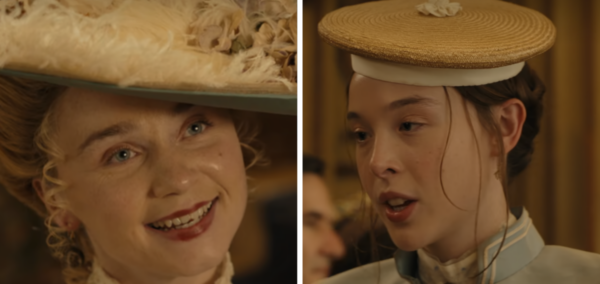
‘Never be alone’: Nance O’Neil dished about intimate dinners with Lizzie Borden in great detail

Lizzie had the same odd demand each time
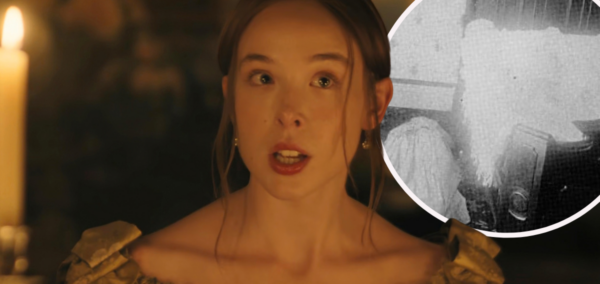
The real life crime scene pictures from the Borden house that were used in Lizzie Borden trial

The police who worked on the case have been described as ‘sloppy’

The real Lizzie Borden’s time in prison wasn’t as glamorous as Netflix’s Monster

Yes, she did stay in an actual cell



Horse dealers, doctors, and the other suspects left out of Monster: The Lizzie Borden Story
Even Jack the Ripper came up

After Ed Gein, why Charlie Hunnam came back to play Andrew Borden in The Lizzie Borden Story
The Monster creators and the actor have explained their decisions
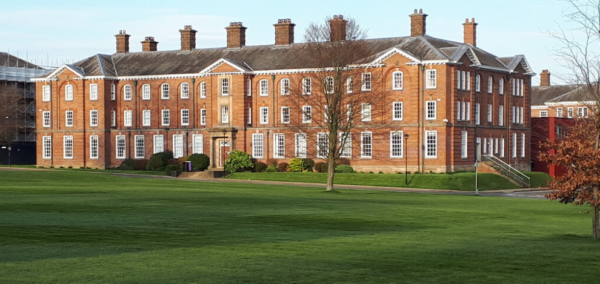
Is going to uni still worth the money? Leeds students weigh in

With tuition fees now at £9,535 per year and rent costs soaring, uni is more expensive than ever

Expert reveals her reasoning behind Gen Z’s viral iced coffee interview controversy

Maybe she has a point

Police stop alleged terror attack on Manchester’s Jewish community

Two men are currently being interrogated on suspicion of terrorism

Converse releases apology statement after people claim new ad resembles ‘racist imagery’

‘I cannot fathom why Converse would greenlight something so abhorrent’
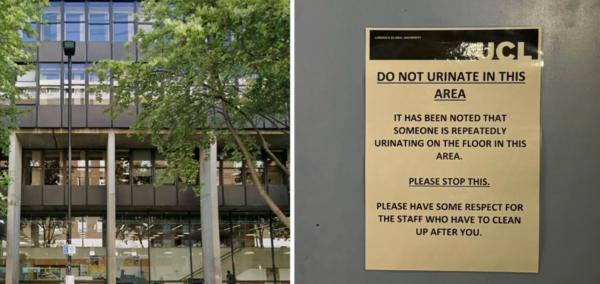
Sign spotted in UCL building condemns culprit for ‘repeatedly urinating on the floor’

One person on social media compared it to rumours of a ‘phantom defecator’

Who was Aileen Wuornos? The real story behind her role in Monster: The Lizzie Borden Story
She was an infamous female killer

Inside the incredible $8.2million LA mansion Nick and Vanessa Lachey just listed for sale
It has a guest house, basketball court and pool

Charity issues warning over ‘dark’ and ‘upsetting’ scene in Monster: The Lizzie Borden Story
It’s a disturbing watch
Seances, ghosts, and parties: The legacy of Lizzie Borden’s last resting place, Maplecroft Mansion
‘Some people have said that they have been pushed. I got poked in the eye’

Olivia Rodrigo rinsed for sending handwritten letter ‘begging’ Grammy voters to nominate her
It’s like a GCSE English essay