

The UK is considering changing the age of consent, and here’s why it matters so much
‘The law treats a teenager’s “yes” as if it were made between equals’
The UK government is considering staggering the age of consent so adults significantly older than teenagers cannot legally have sex with them, following a series of high-profile cases involving allegations of sexual exploitation.
View this post on Instagram
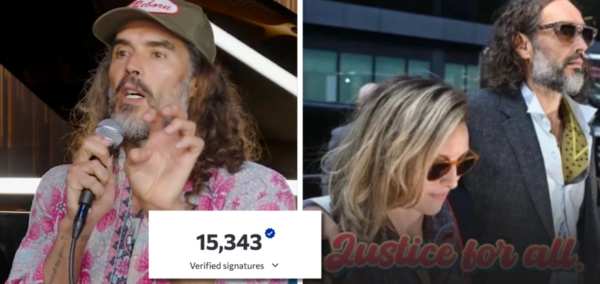
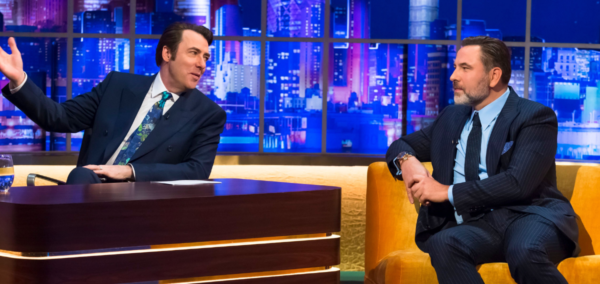
Prime Minister Andy Burnham has announced that the government will ask the public, survivors, parents and young people to share their views on introducing a staggered age of consent. It comes after Russell Brand was convicted of rape and sexual assault offences, and allegations of inappropriate behaviour involving David Walliams, which he denies, reignited debate about the legal protections available to teenagers.
Under current UK law, people aged 16 and over can legally consent to sex with someone of any age, provided other legal conditions are met. This means a 16-year-old could legally have a sexual relationship with someone in their forties or fifties, despite the potentially significant differences in their age, experience and power.
The proposed changes are being championed by the Close the Consent Gap campaign, founded by author and social worker Layla Stone. It wants to introduce a system where 16 and 17-year-olds can have relationships with people close to their own age, but adults significantly older than them would face criminal consequences for sexual activity.
And as someone who was taken advantage of by an older man as a teenager, I think it’s a conversation that is long overdue.
What is the Close the Consent Gap campaign?
View this post on Instagram
The Close the Consent Gap campaign wants the UK to introduce a staggered age of consent, meaning the legal age at which someone can consent to sex would depend partly on the age of the other person.
Its central argument is that 16 and 17-year-olds should be able to have relationships with people around their own age, without adults decades older having the same legal freedom to pursue them.
Stone says: “We are not trying to criminalise teenage relationships. We are trying to stop grown adults having legal sexual access to children.”
She also argues: “In the UK, the age of consent is 16. That means a 45-year-old can legally pursue a sexual relationship with a 16-year-old, and the law treats that teenager’s “yes” as if it were made between equals. We believe it isn’t”
I think this is the distinction that needs to be at the centre of the debate. Being legally old enough to consent does not automatically mean someone is in an equal position to an adult who has decades more life experience.
When I was a teenager, I was taken advantage of by an older man. At the time, I didn’t have the perspective I have now. When you’re young, you can feel much older than you are, particularly when an adult makes you feel mature, special or as though you’re somehow different from other teenagers. It can take years to look back and understand the imbalance in a situation, or recognise behaviour that you couldn’t properly identify at the time.



That’s why I find the idea that a teenager’s legal ability to consent should automatically make an adult’s behaviour acceptable so troubling. The responsibility shouldn’t fall entirely on a 16-year-old to recognise when someone older is taking advantage of them. The campaign also highlights the history behind the UK’s current age of consent.
How would changing the age of consent actually work?
View this post on Instagram
One of the biggest concerns surrounding the proposal is what it would mean for teenagers who are already in relationships with people slightly older than them. However, the campaign is not calling for all sexual relationships involving 16 and 17-year-olds to become illegal.
Under its proposed system, a 16-year-old could legally have a sexual relationship with someone up to 19, while a 17-year-old could be with someone up to 20. This would allow an age gap of up to three years.
Lucy describes its proposal as follows: “16 and 17-year-olds would remain free to have relationships with people close to their own age, but sexual activity with an adult more than four years older would become a criminal offence.”
In practice, this would mean someone aged 25 could no longer legally have sex with a 16-year-old, even if the teenager said they consented. However, a 16-year-old dating someone aged 18 or 19 would not be criminalised.
The UK would not be the first country to introduce additional protections around age differences. Countries including Canada, Ireland and Finland have different provisions recognising close-in-age relationships while restricting certain sexual activity involving older adults and teenagers.
There are other examples internationally, too. In Florida, USA, 16 and 17-year-olds can consent to sex with people up to the age of 23. In France, people aged 15 and above can legally have sex with someone up to five years older than them.
There isn’t one universal approach, but these examples show that it’s possible to protect teenagers without making relationships between young people illegal.
I don’t think every relationship with an age gap is automatically abusive, and I don’t think teenagers should be stripped of the freedom to have relationships with people their own age. That’s precisely why the Close the Consent Gap proposal is worth taking seriously: It attempts to distinguish between the two.
A teenager shouldn’t have to prove they were manipulated, coerced or unable to say no before the law recognises that an adult’s behaviour was wrong.
The government now has an opportunity to properly examine whether the existing protections go far enough. It needs to listen to survivors, consider the practical implications and take the proposal seriously.
For more like this, like The Tab on Facebook.
Featured image via Shutterstock/Euan Cherry, Tom Nicholson

Latest

Types of flatmates every fresher will encounter at Birmingham University
Rats in the bins, flatcest, and one too many pot noodles; but it’s all just character building, right?

KCL Men’s Basketball suspended by Students’ Union over claims it held an initiation event

A complaint was issued after a participant was reportedly taken to hospital

GTA 6’s chapter 3 players are angry after realising beloved features from earlier games were axed

‘Am I the only one who finds this absolutely ridiculous?’

The 25 cheapest and 25 most expensive cars to register as your personal vehicle in GTA

Er, the registration cost for the Truffade Thrax is $100,000
Five staged moments and editing errors have spoiled the idea of the I’m A Celeb 2026 camp

I can’t watch the show in the same way now

University of Edinburgh students walk out of graduation to call for divestment
Students from the School of Geoscience walk out of Winter graduation ceremony for third year in a row


GTA 6 has three strip clubs to visit, and here’s where to find every single one
Some have unlock requirements

GTA 6’s unlimited money glitch is solving everyone’s shopping problems, and it’s so easy to do
Now I can afford all of the crop tops for Lucia


Balls, bugs and beastly bites: The surprising nutrition of bushtucker trial food on I’m A Celeb
I’m off to Tesco to grab some witchetty grubs
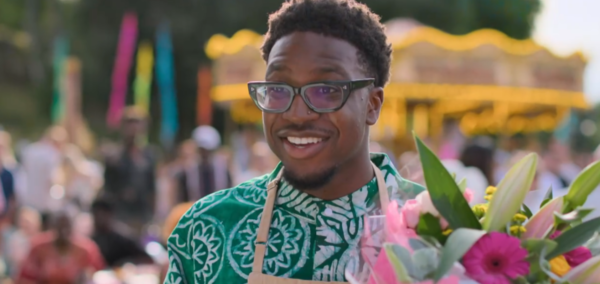
Former King’s College London student wins Great British Bake Off 2026
He was still studying during his time on the show

Which part of a Christmas dinner each Lancs college would be
The real question on every Lancaster student’s lips this festive season: which college is a Brussel sprout?
Director of HBO’s Harry Potter reboot responds to criticism comparing it to the original films
‘You’ll see what we’re bringing to it’
Owner of Lancaster fish and chip shop fundraises over £5,600 from running challenge
Nigel Hodgson, of Hodgson’s chippy, raised the funds to support St. John’s Hospice

Public offered free legal advice from Lancaster University students
Lancaster University’s Law Clinic is offering telephone and in-person appointments to members of the public

The fastest car in GTA 6 is Andrew Node’s Truffade Thrax, and here’s how to get it

There’s only one in the game
Six of the I’m A Celebrity 2026 cast studied at brainy UK universities
Chloe Burrows attended a Russell Group university
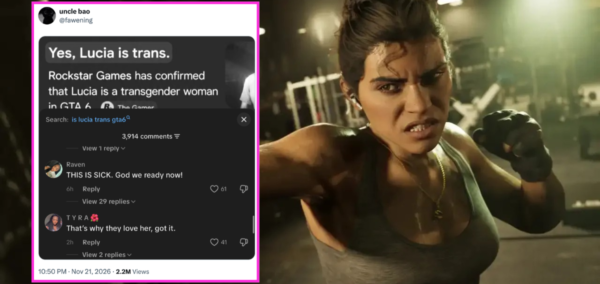
Investigating the claims GTA VI’s Lucia is trans, as a Rockstar ‘confirmation’ goes viral
A so-called statement from Rockstar is doing the rounds

People have spotted the most terrifying detail in the I’m A Celeb camp and now I need to rewatch
I have no idea what’s going on